Water Smart Plant Picker
A curated list of plants that will thrive in our climate
Water conservation is an essential consideration when designing and managing Sonoma and Marin County landscapes. Our area enjoys a Mediterranean climate characterized by wet winters and long, dry summers with little rainfall. Plants that are suited or adapted to local conditions not only use less water but generally grow more successfully and robustly, with fewer insect and disease problems. They ultimately create a healthier, more beautiful and more sustainable landscape.
Below is a hand selected plant list for Sonoma and Marin counties that displays mostly native species that will thrive in our climate. You can search, filter and save specific plants to your plant list and also print plant cards.
-
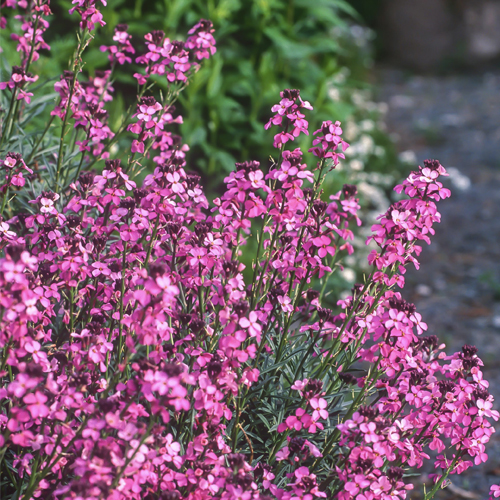
Wallflower
Erysimum spp. -
California Native
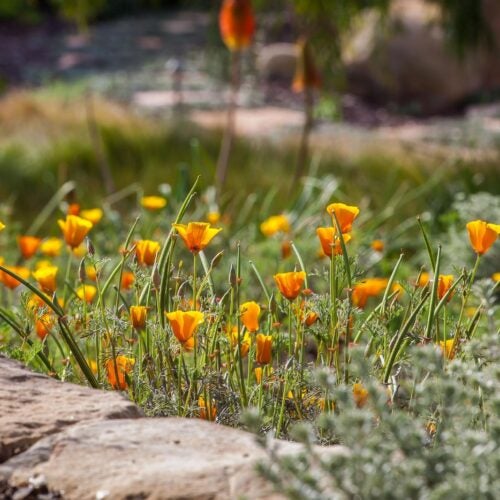
California Poppy
Eschscholzia californica -
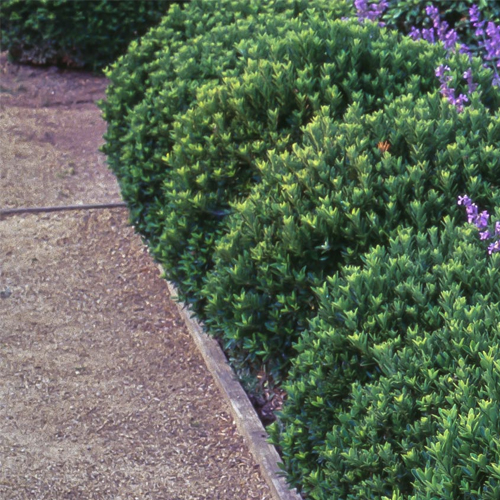
Evergreen Eunonymus
Euonymus japonicus -
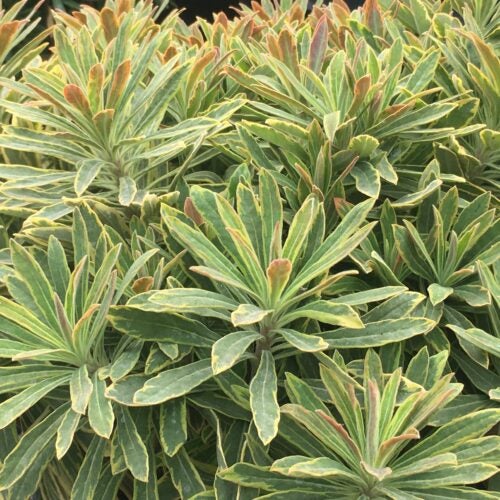
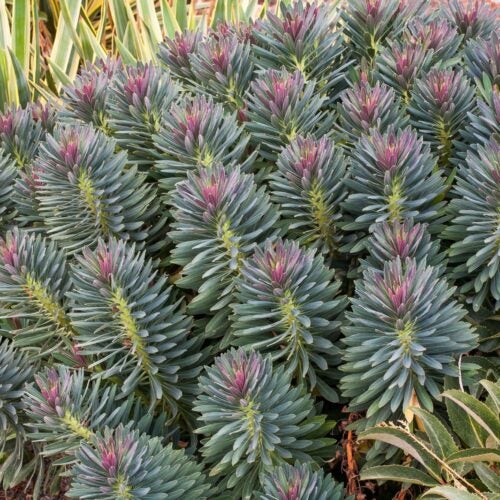
Spurge, Euphorbia
Euphorbia spp. -
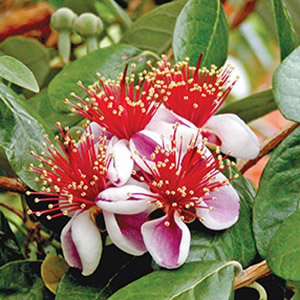
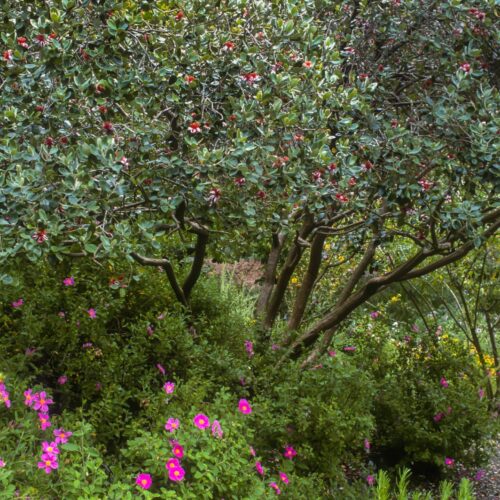
Pineapple Guava
Feijoa (Acca) sellowiana -
California Native
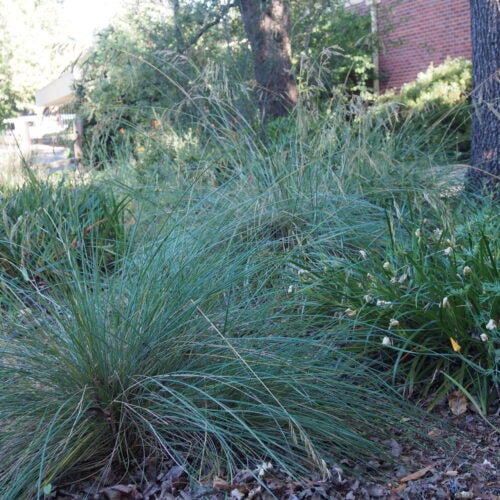
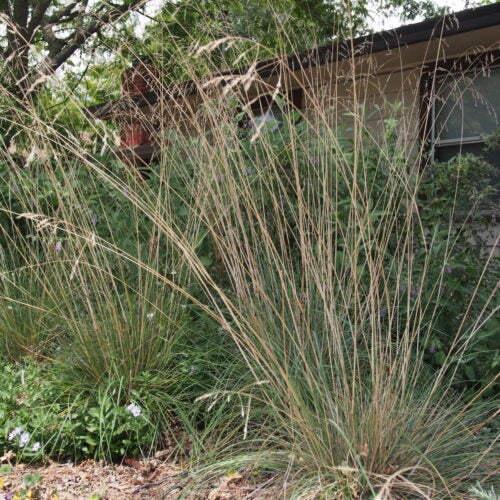
Fescue
Festuca spp. -
California Native
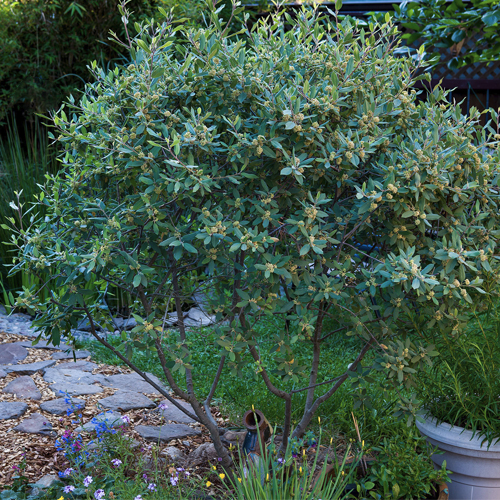
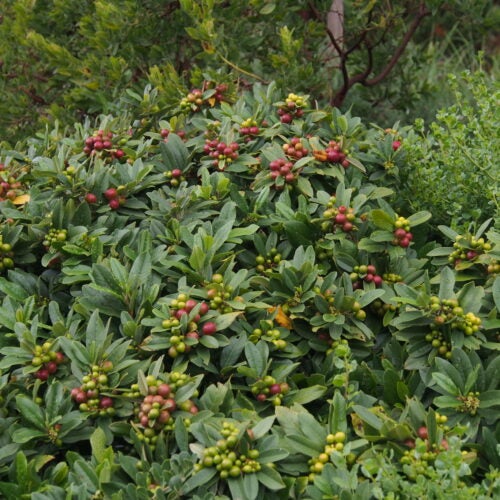
Coffeeberry
Frangula [Rhamnus] californica -
California Native
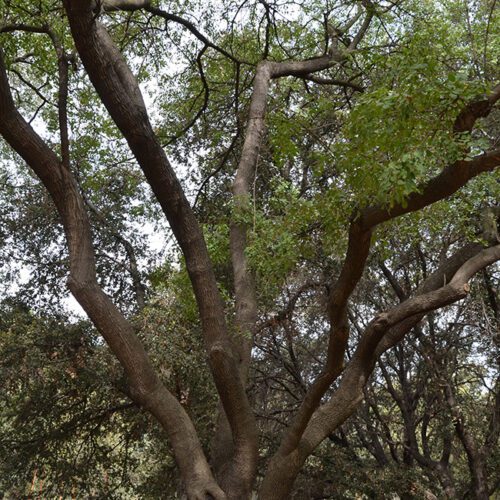
California Ash
Fraxinus dipetala -
California Native
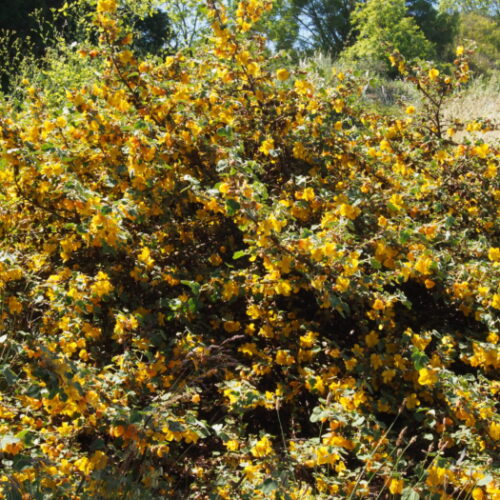
California Flannelbush
Fremontodendron spp. & cvs. -
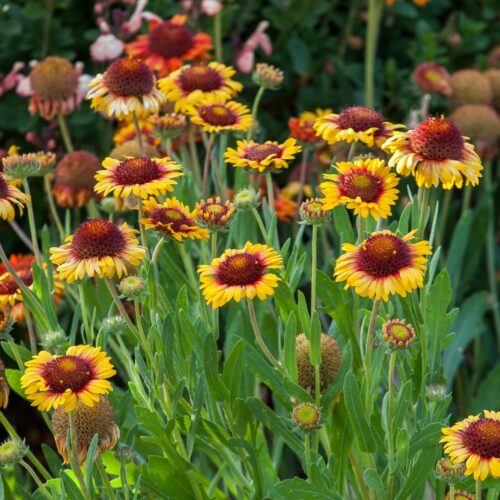
Blanket Flower
Gaillardia spp. -
California Native
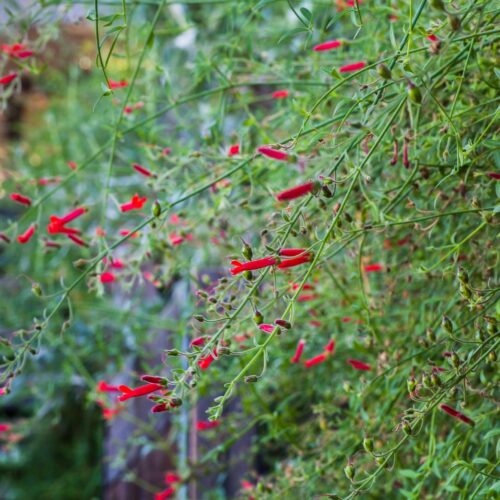
Island Snapdragon
Gambelia speciosa -
California Native
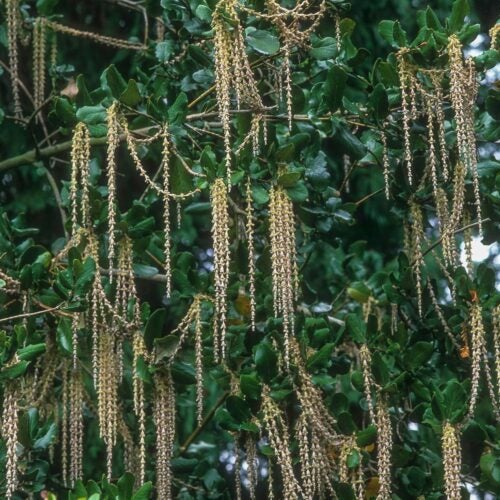
Coast Silktassel
Garrya elliptica
Wallflower
Erysimum spp.
Care:

Full Sun
Partial Shade

Low

Most Soils
Look:

Small
size

Green
leaves

Orange
flowers
Pink
flowers
Yellow
flowers
- Blooming seasons:
- Spring | Winter
- Life cycle:
- Perennial
- Foliage:
- Herbaceous
 Print this plant card
California Poppy
Eschscholzia californica
CA Native
Care:
Full Sun
Partial Shade
Very Low
Most Soils
Look:
Small
size
Blue Green
leaves
Orange
flowers
- Blooming seasons:
- Fall | Spring | Summer
- Life cycle:
- Annual | Perennial
- Foliage:
- Herbaceous
- Wildlife habitat:
- Bee Habitat | Bird Habitat | Butterfly Habitat | Hummingbird Habitat | Pollinator Habitat
- Animal resilience:
- Deer Resistant | Pest Tolerance
Evergreen Eunonymus
Euonymus japonicus
Shrub
Care:
Full Sun
Low
Well Drained
Look:
Medium
size
Green
leaves
- Blooming seasons:
- Fall | Summer
- Foliage:
- Evergreen
- Animal resilience:
Spurge, Euphorbia
Euphorbia spp.
Care:
Full Sun
Low
Well Drained
Look:
Medium
size
Small
size
Blue Green
leaves
Variegated
leaves
Green
flowers
Yellow
flowers
- Blooming seasons:
- Spring
- Life cycle:
- Perennial
- Foliage:
- Herbaceous
- Wildlife habitat:
- Pest Tolerance
- Animal resilience:
- Deer Resistant | Pest Tolerance
Pineapple Guava
Feijoa (Acca) sellowiana
Shrub, Tree
Care:
Full Sun
Partial Shade
Very Low
Low
Well Drained
Look:
Medium
size
Gray Green
leaves
Green - Dark
leaves
Pink
flowers
Red
flowers
White
flowers

Brown
bark
- Blooming seasons:
- Spring
- Life cycle:
- Perennial
- Foliage:
- Evergreen
- Wildlife habitat:
- Bee Habitat | Bird Habitat | Hummingbird Habitat
- Animal resilience:
- Deer Resistant | Pest Tolerance
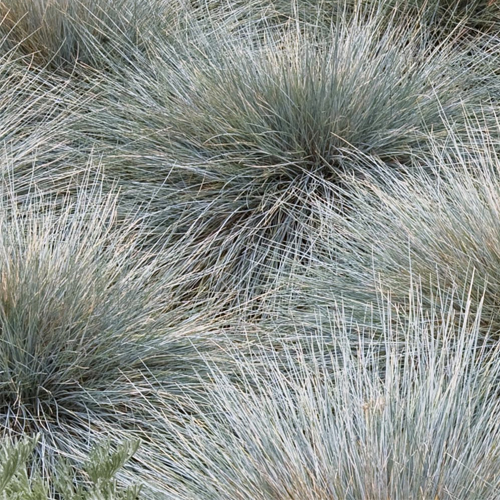
Fescue
Festuca spp.
CA Native, Grass
Care:
Full Sun
Partial Shade
Very Low
Low
Well Drained
Look:
Small
size
Blue Green
leaves
Gray Green
leaves
Green
leaves
- Blooming seasons:
- Spring | Summer
- Life cycle:
- Perennial
- Foliage:
- Evergreen
- Animal resilience:
- Deer Resistant
Coffeeberry
Frangula [Rhamnus] californica
CA Native, Shrub
Care:
Full Sun
Partial Shade
Very Low
Low
Most Soils
Look:
Medium
size
Green - Dark
leaves
White
flowers
- Blooming seasons:
- Spring | Summer
- Foliage:
- Evergreen
- Wildlife habitat:
- Bee Habitat | Bird Habitat
- Animal resilience:
- Deer Resistant | Pest Tolerance
California Ash
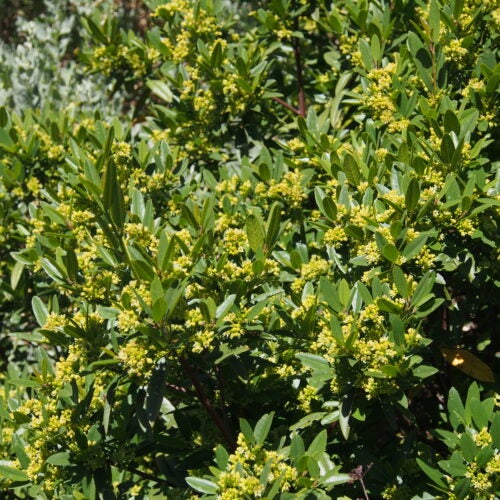
Fraxinus dipetala
CA Native, Shrub, Tree
Care:
Full Sun
Partial Shade
Low
Most Soils
Look:
Large
size
Medium
size
Green
leaves
White
flowers
- Blooming seasons:
- Spring
- Foliage:
- Deciduous
- Wildlife habitat:
- Bird Habitat | Butterfly Habitat | Pollinator Habitat
- Animal resilience:
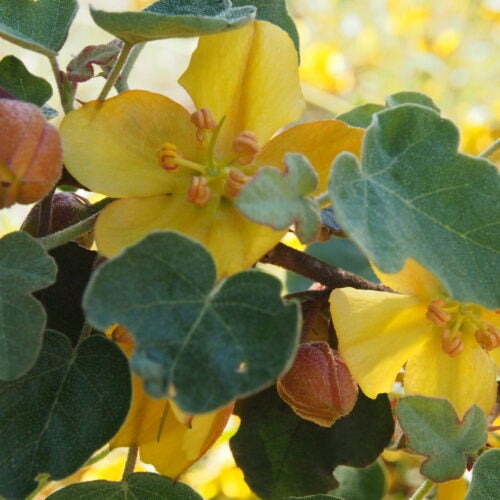
California Flannelbush
Fremontodendron spp. & cvs.
CA Native, Shrub
Care:
Full Sun
Very Low
Low
Well Drained
Look:
Medium
size
Gray Green
leaves
Green - Dark
leaves
Orange
flowers
Yellow
flowers
Brown
bark
- Blooming seasons:
- Spring
- Life cycle:
- Perennial
- Foliage:
- Evergreen
- Wildlife habitat:
- Bee Habitat | Butterfly Habitat | Pollinator Habitat
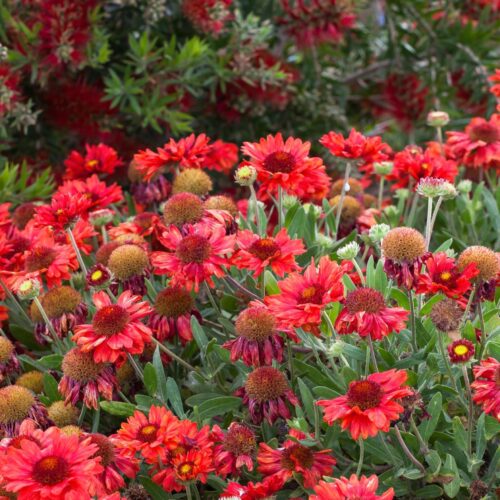
Blanket Flower
Gaillardia spp.
Ground Cover
Care:
Full Sun
Low
Well Drained
Look:
Small
size
Green
leaves
Multi
flowers
Orange
flowers
Red
flowers
Yellow
flowers
- Blooming seasons:
- Fall | Spring | Summer
- Life cycle:
- Perennial
- Foliage:
- Herbaceous
- Wildlife habitat:
- Pollinator Habitat
Island Snapdragon
Gambelia speciosa
CA Native, Shrub
Care:
Full Sun
Partial Shade
Low
Well Drained
Look:
Medium
size
Green -Light
leaves
Red
flowers
- Blooming seasons:
- Spring | Summer | Winter
- Life cycle:
- Perennial
- Foliage:
- Evergreen
- Wildlife habitat:
- Bird Habitat | Butterfly Habitat | Hummingbird Habitat
Coast Silktassel
Garrya elliptica
CA Native, Shrub
Care:
Full Sun
Partial Shade
Low
Well Drained
Look:
Large
size
Medium
size
Green
leaves
Pale Green
flowers
Silver-gray
flowers
- Blooming seasons:
- Spring | Winter
- Life cycle:
- Perennial
- Foliage:
- Evergreen