Windhorse Orchard
BACK TO FULL TOUR
Garden Features
Drought Tolerant
Edible Garden
Graywater System
California Natives
Deer Resistant
Drip Irrigation
Pesticide Free
Rain Garden
Reclaimed/Recycled Materials
Sheet Mulching
Lawn-Free Landscaping
Permeable Surfaces
Wildlife Habitat
Berms/Swales for Stormwater Management
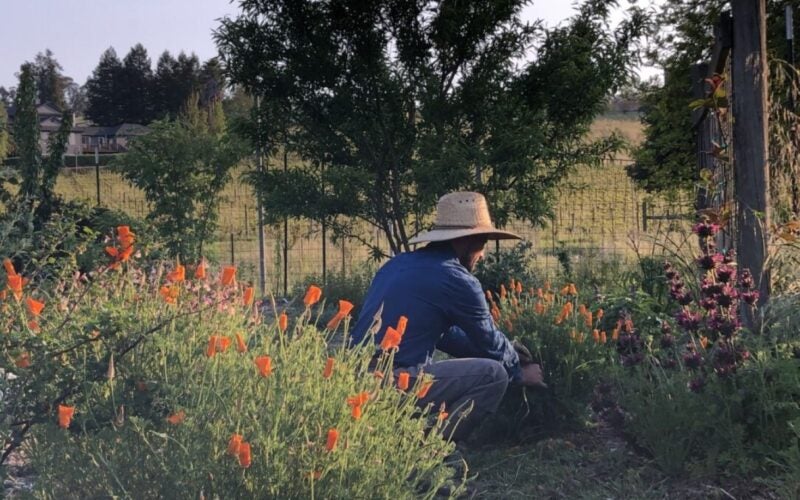
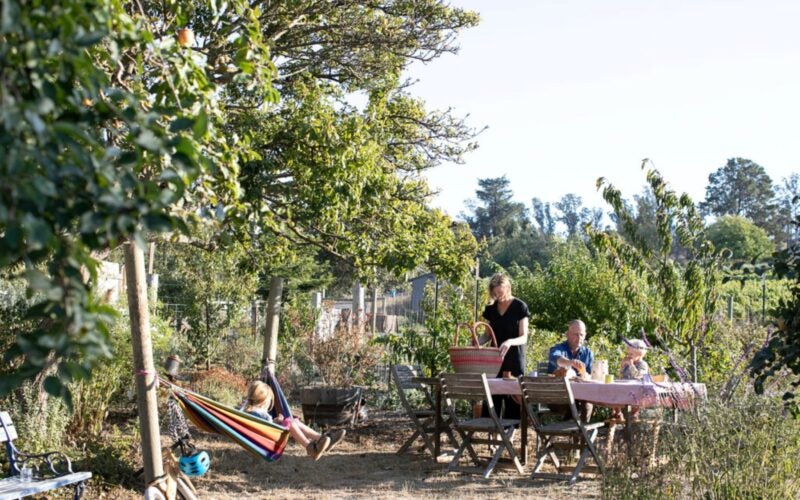
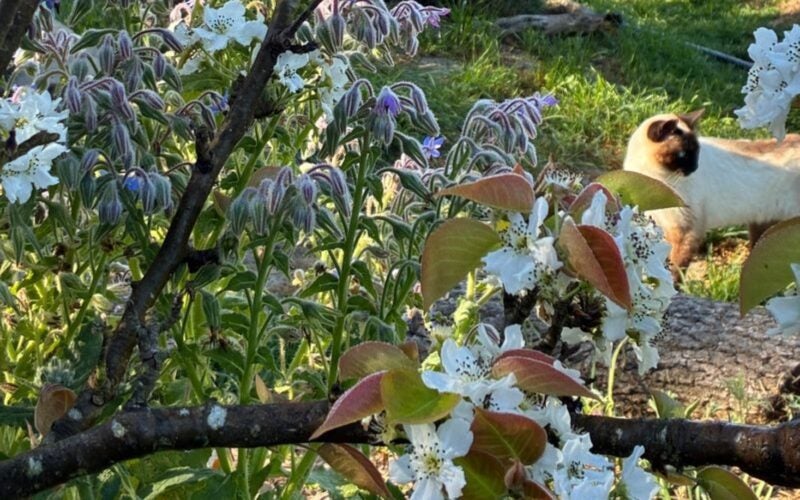
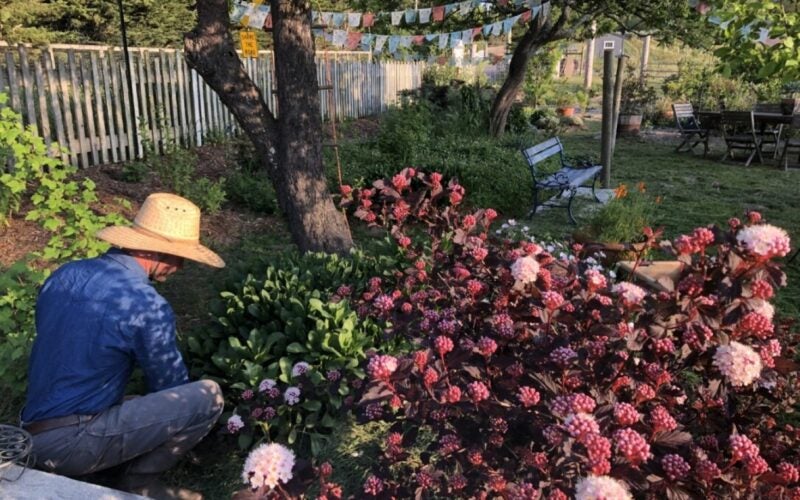
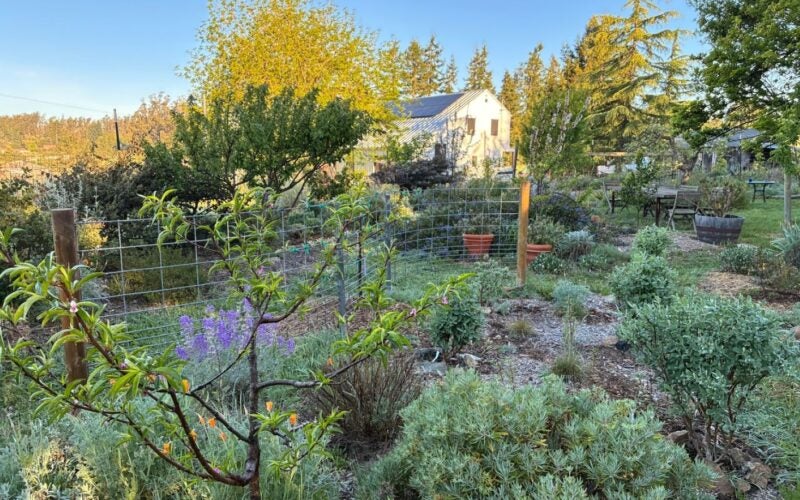
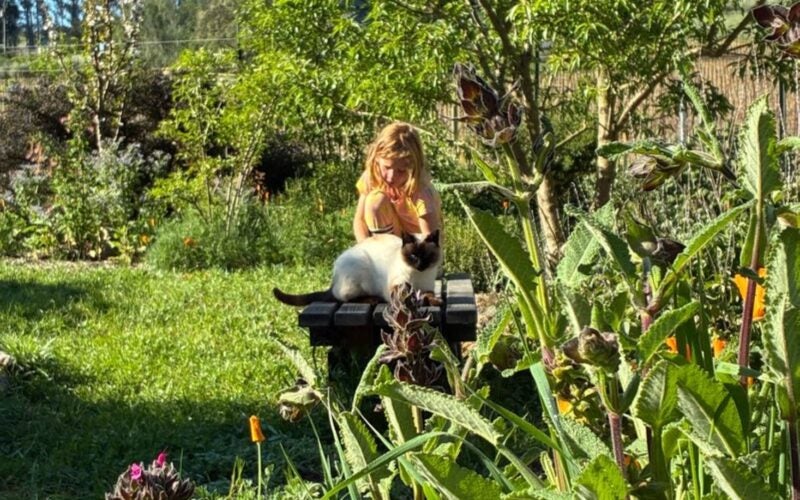
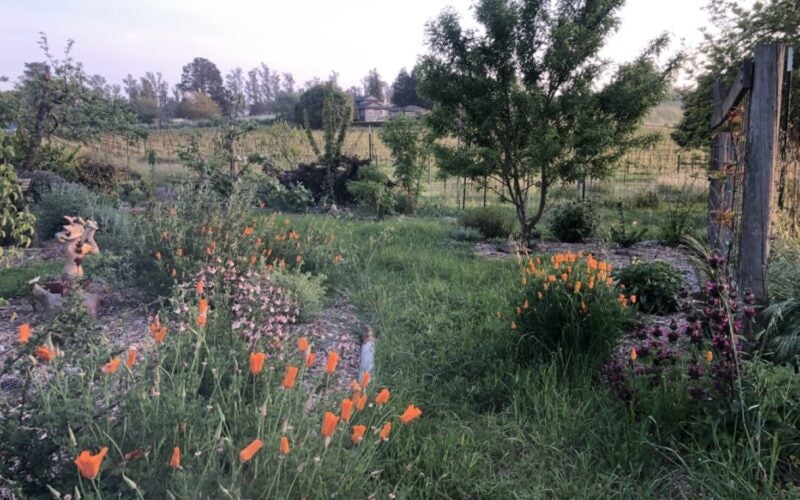
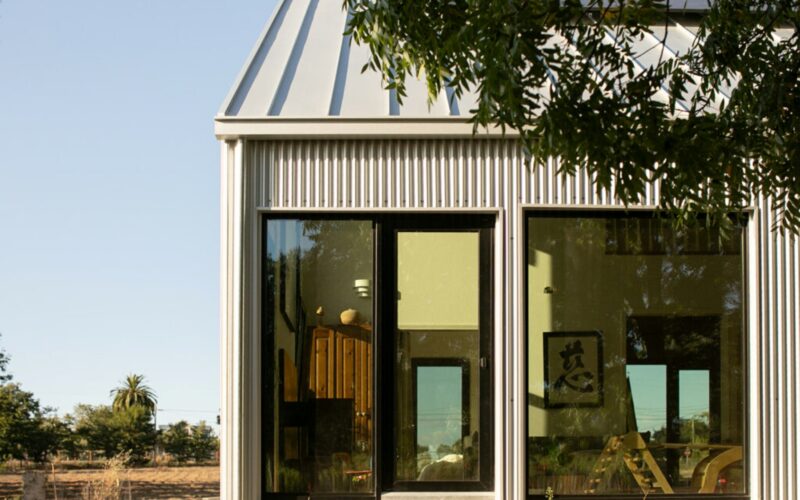
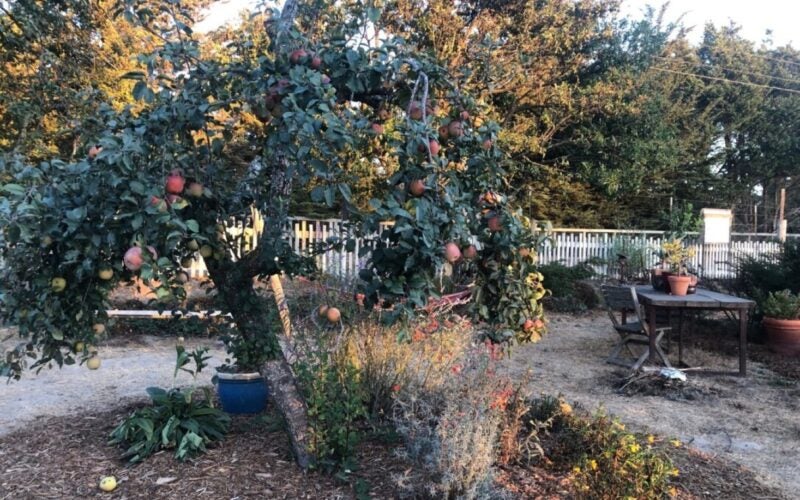
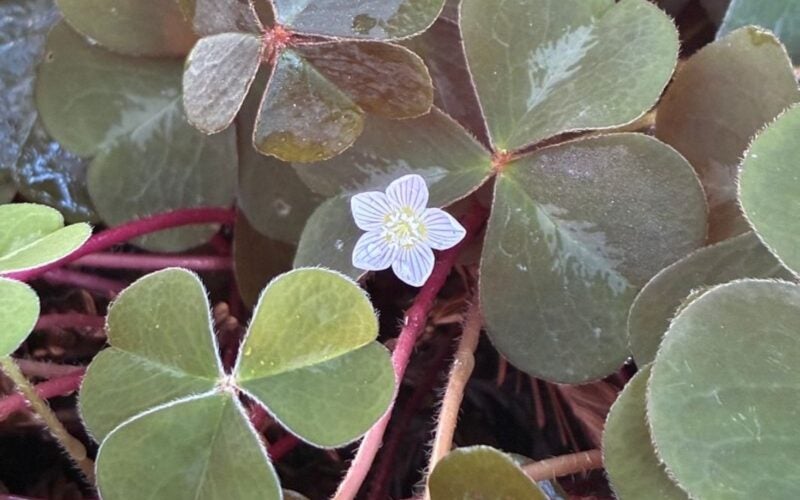
Windhorse Orchard is a family-led, single-family residential renovation and land restoration project in Northern California that is resulting in one of the most sustainable and ecological homes in the country. Our gardens were begun in late 2020 to meet our commitment to standards set by the International Living Future Institute’s Living Building Challenge for home food production and ecological land restoration. We established a food forest with over 100 fruit trees and fruiting shrubs surrounded by California native plants on the east side of the property. We also created small native plant community garden spaces in other areas exhibiting Redwood Forest, Chaparral and Riparian species among others.
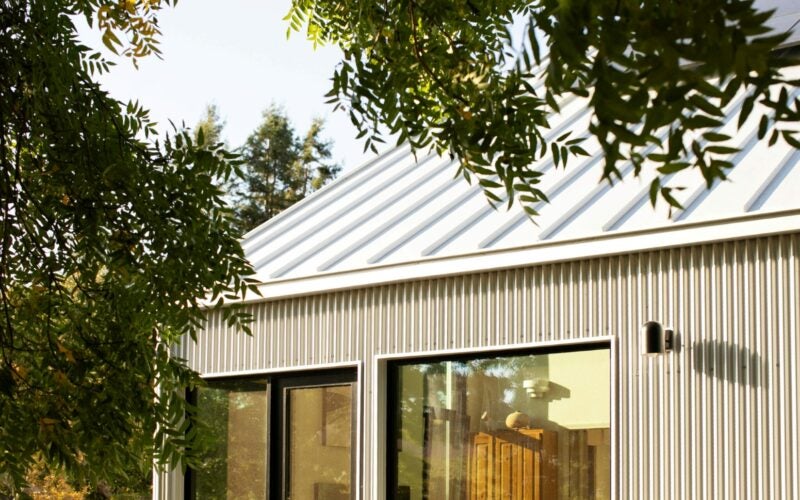
All the plants in the orchard and other gardens are supported by generous applications of locally-produced compost and mulch that are currently hand-watered and have no irrigation systems installed. Our house bathrooms and washing machine have been plumbed for greywater-to-landscape irrigation during our house renovation in 2023-24, and we are in the process of completing outdoor greywater irrigation lines for moisture-loving native plants and a new citrus tree grove to be planted next year. We used non-toxic wood-based insulation and dimensional lumber left from our house renovation for building swales and berms for stormwater management. All of our household food scraps are composted on site and our tree trimming debris has been set aside for biochar conversion next year.
In late 2024, with financial and technical support from Point Blue Conservation Science and the California Wildlife Conservation Board, we planted a 750-foot, 2-row native plant hedgerow along the east and west property boundaries, which is supported by drip irrigation. As part of this project, we also planted 25 new native oak seedlings and the property now hosts nine different native oak species, instead of one originally. These oak species are the foundation of future oak woodland native plant community gardens. In 2025, the Xerces Society for Invertebrate Conservation awarded us a grant to add 250 feet to our hedgerow along the north property boundary. Windhorse Orchard is grateful for all sponsors and for everyone at Cal Flora Nursery in Fulton for their diverse selection of native plants and for sharing their invaluable plant expertise.
Special Events
Plants in this Garden
-
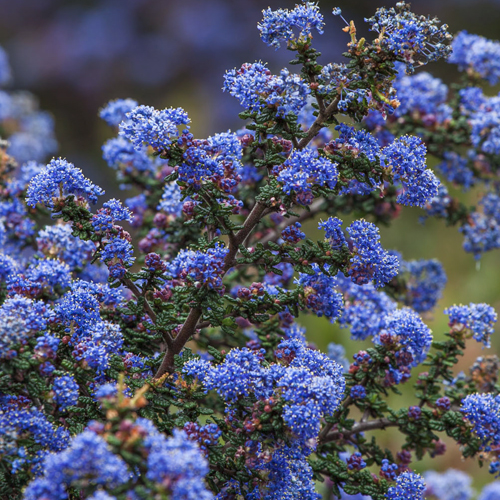
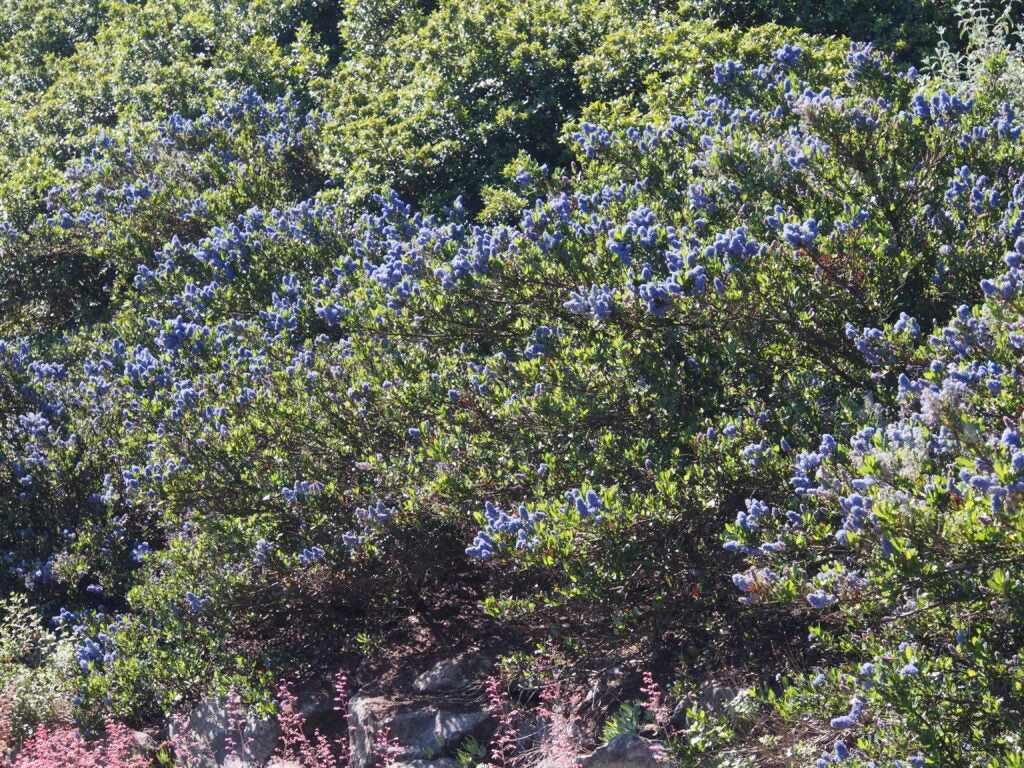
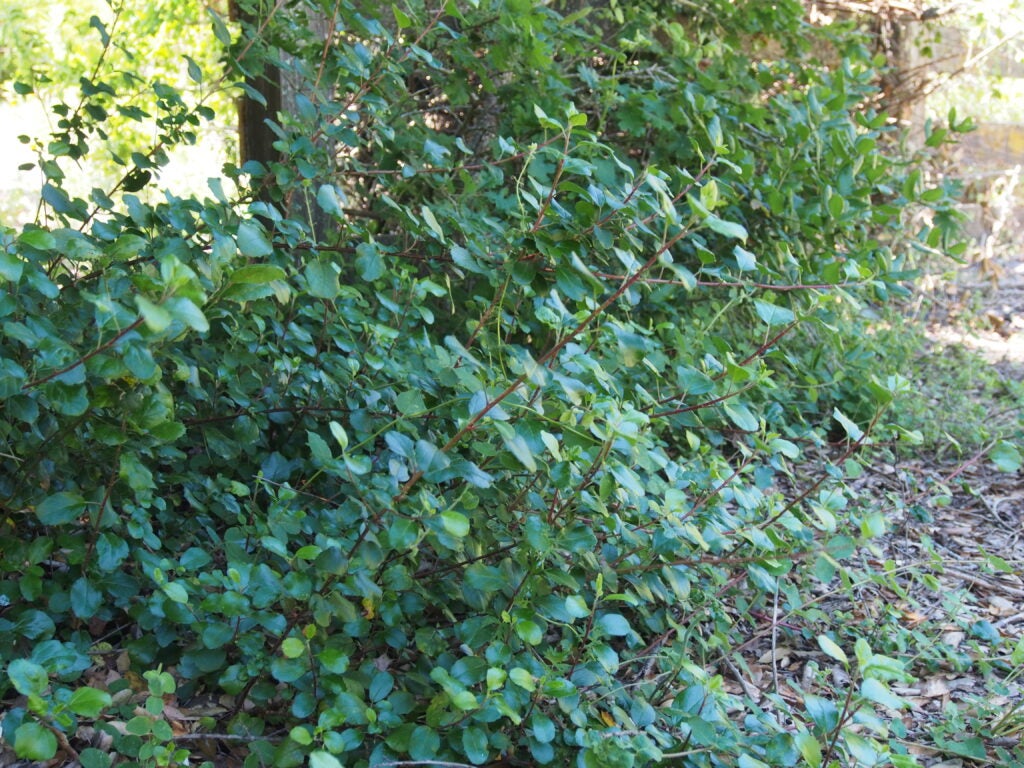
Ceanothus spp. & cvs. California Lilac
-
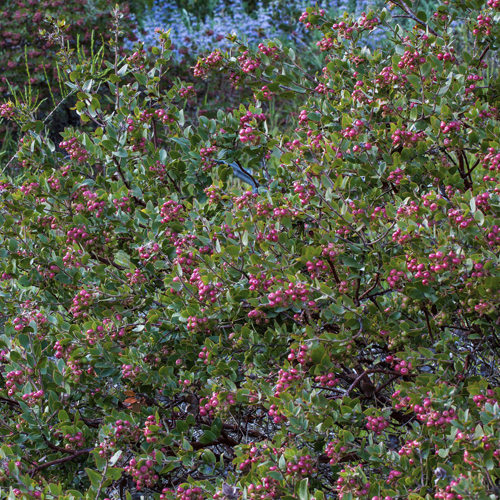
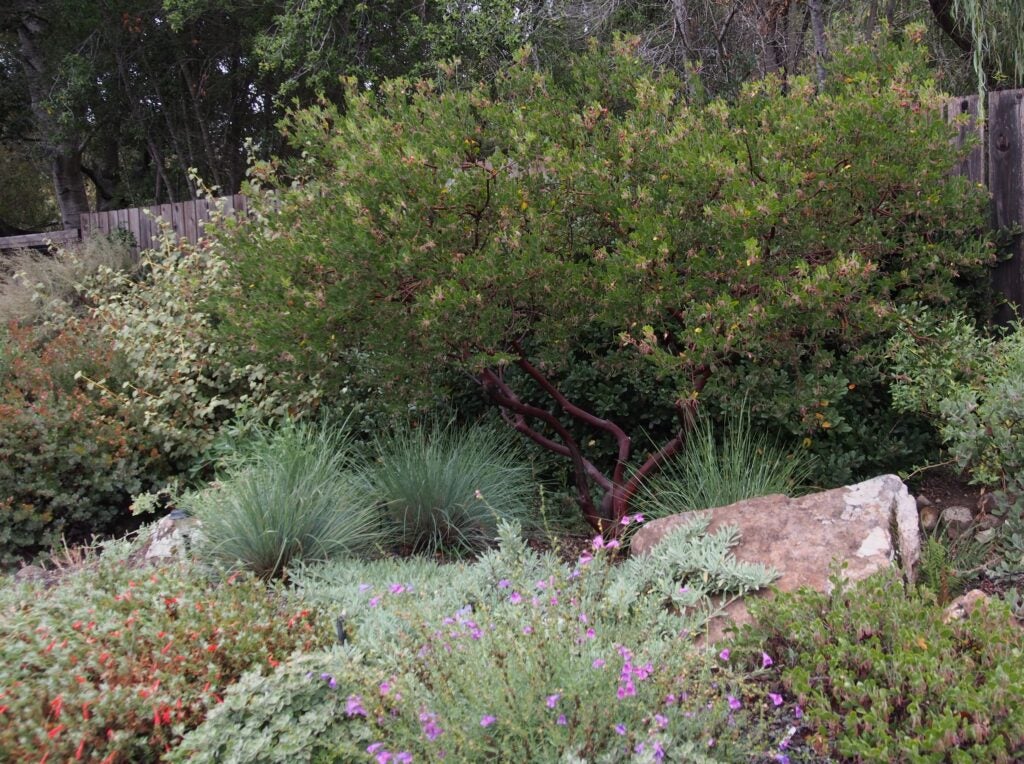
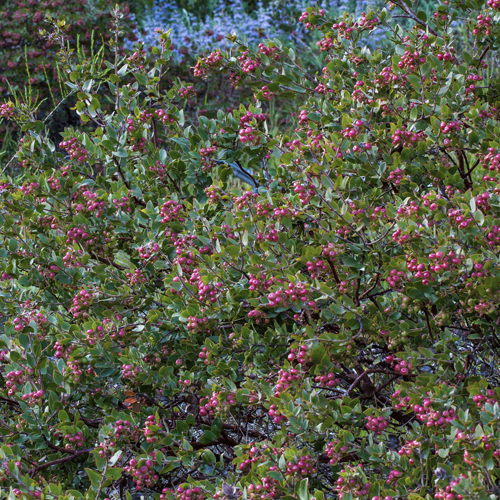
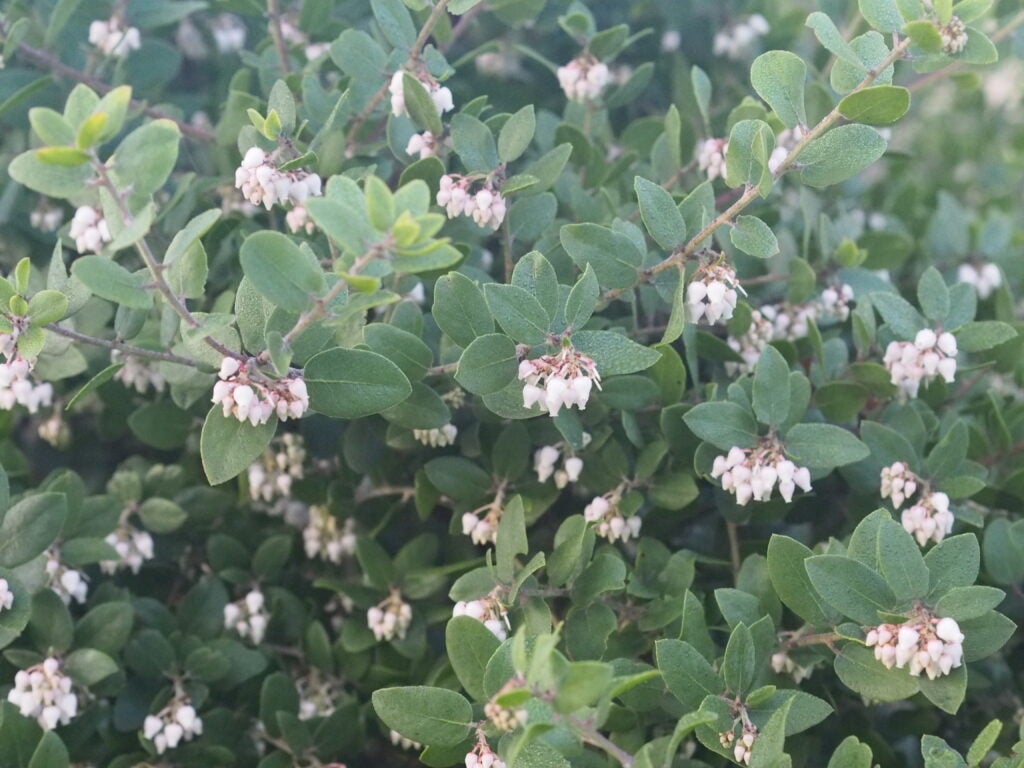
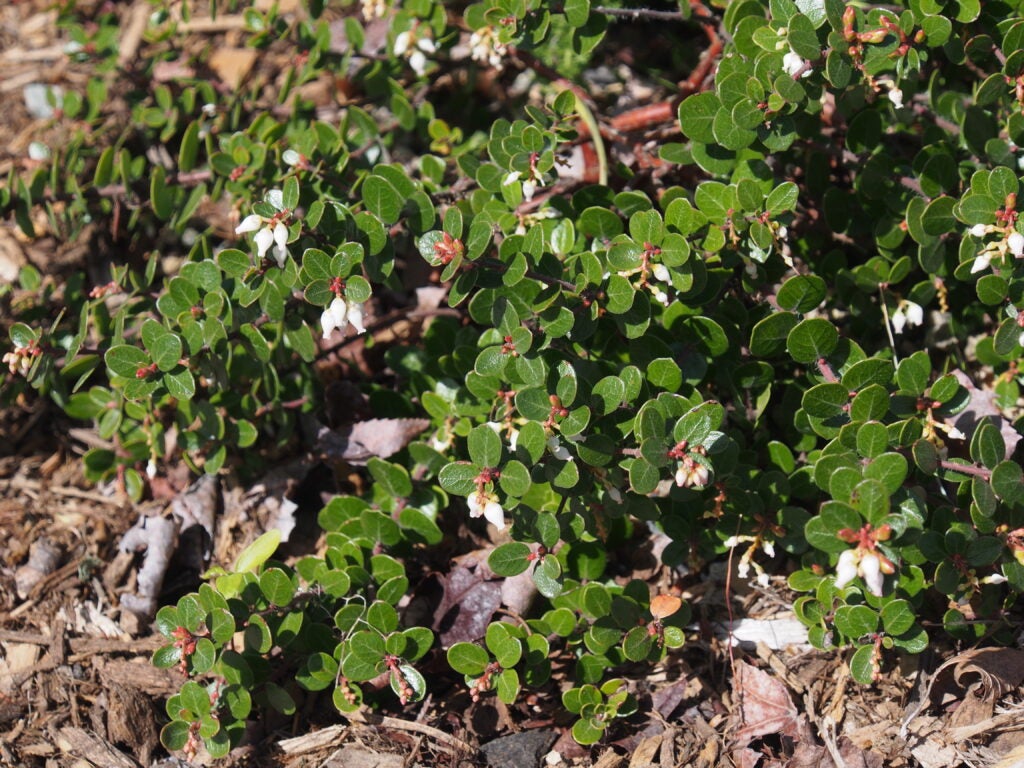
Arctostaphylos spp. & cvs. Manzanita
-
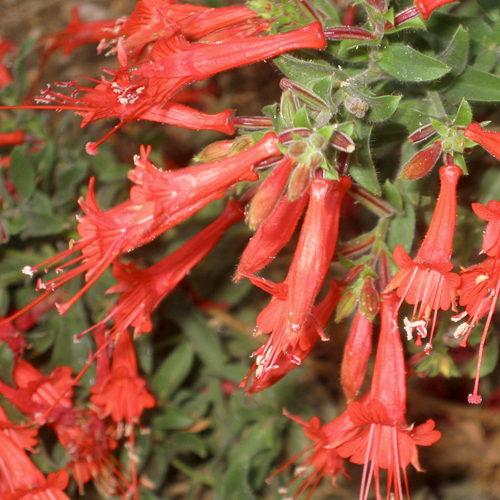
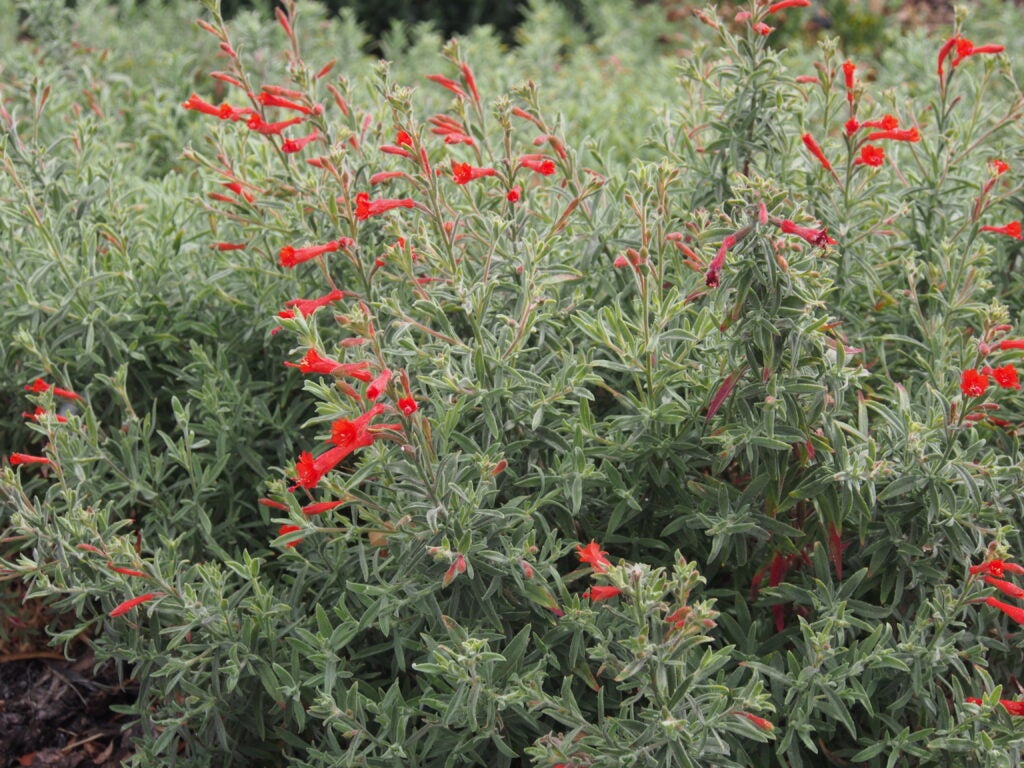
Epilobium [Zauschneria] canum California Fuchsia
-
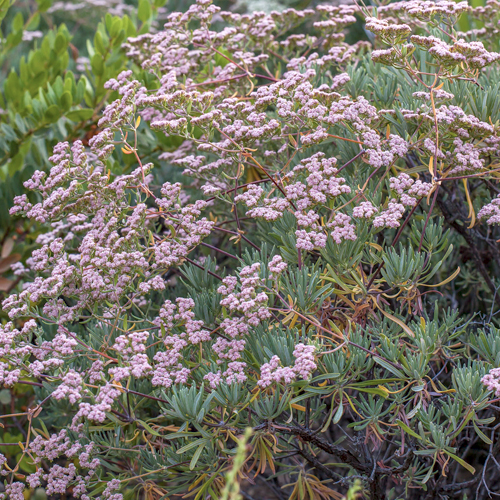
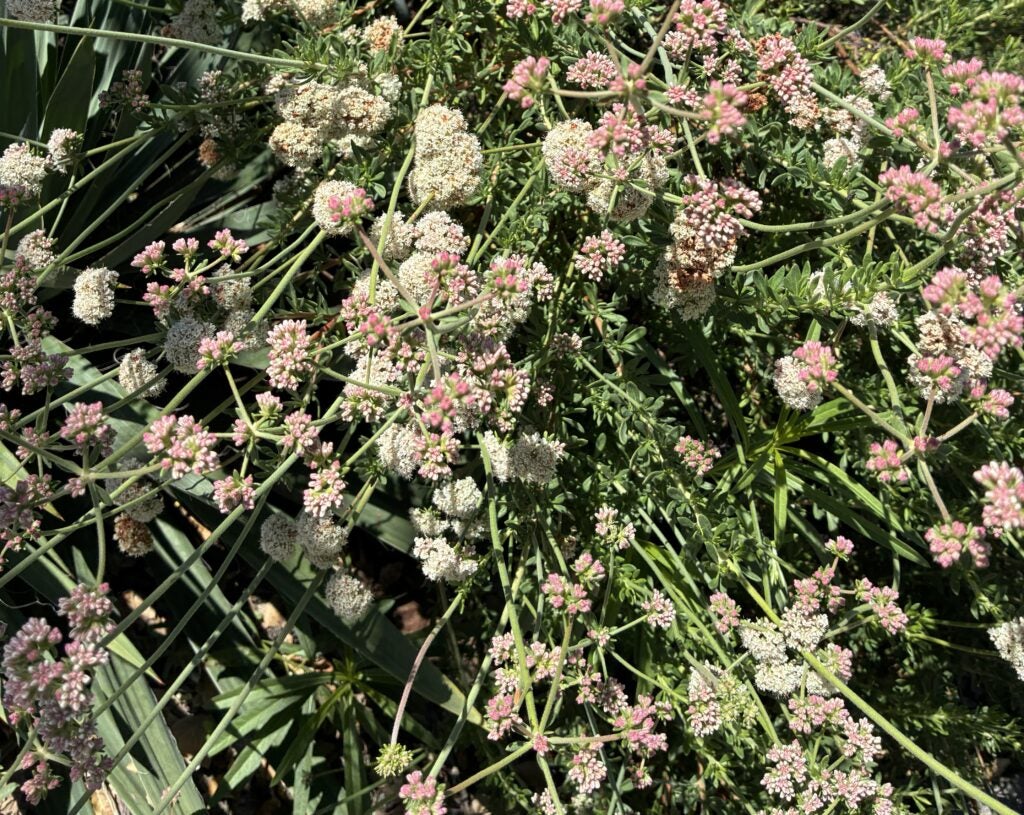
Eriogonum spp. Buckwheat
-
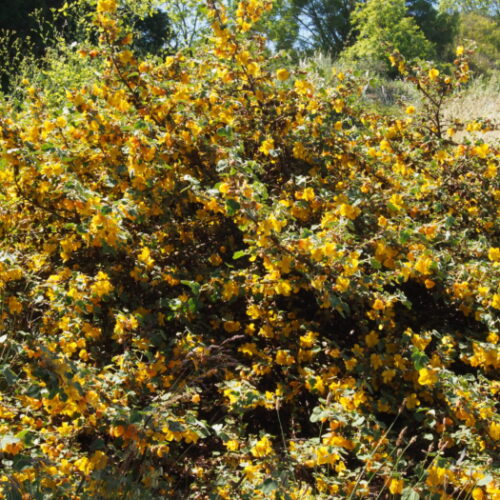
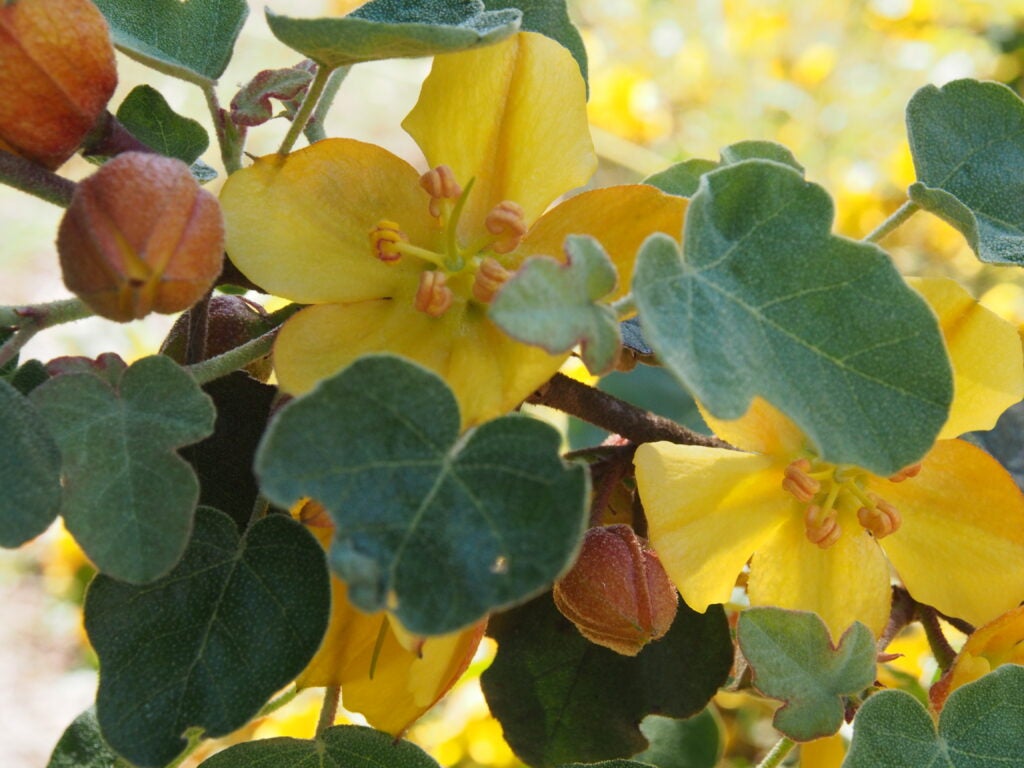
Fremontodendron spp. & cvs. California Flannelbush
-
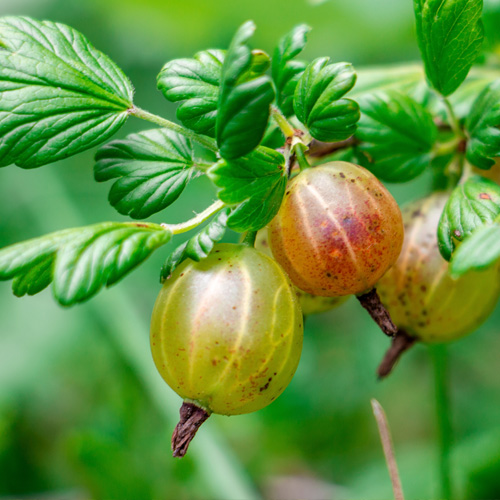
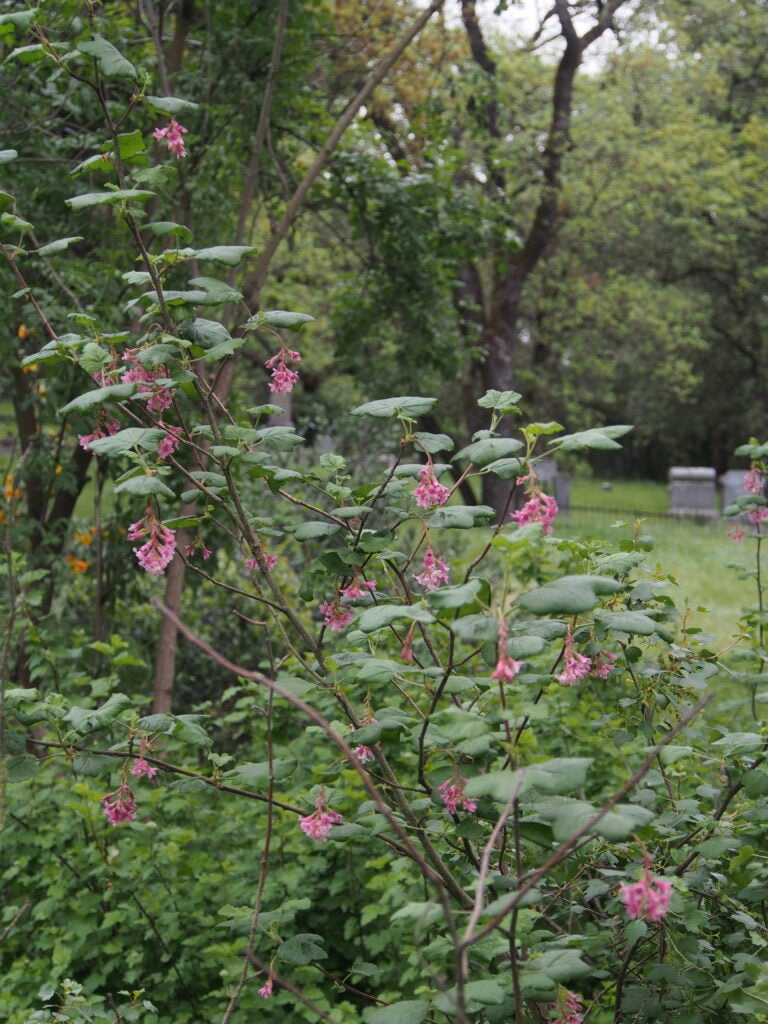
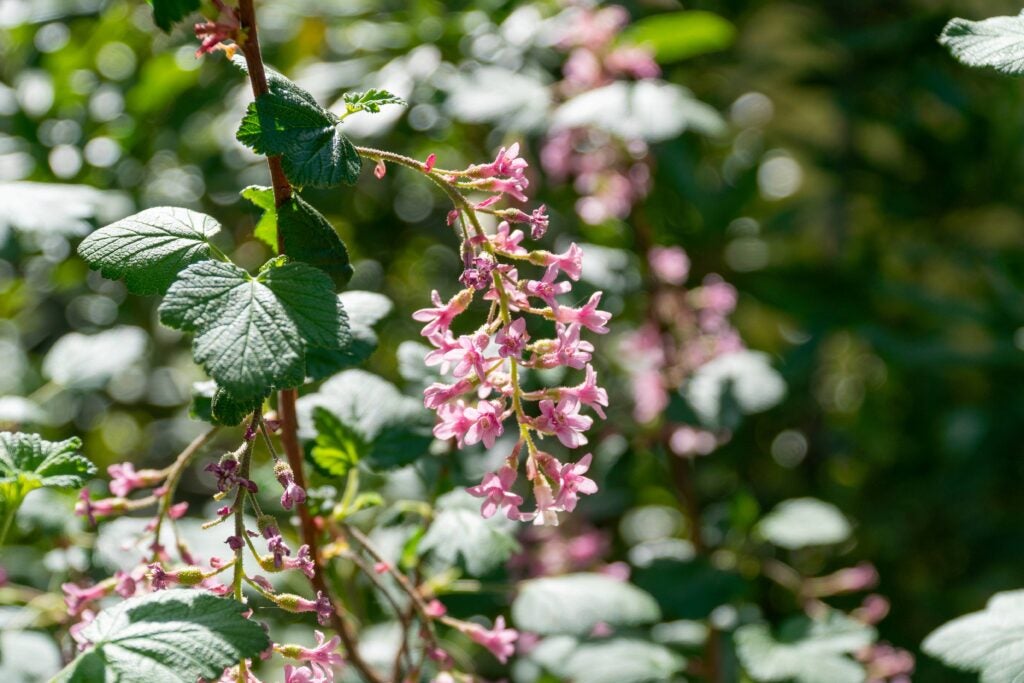
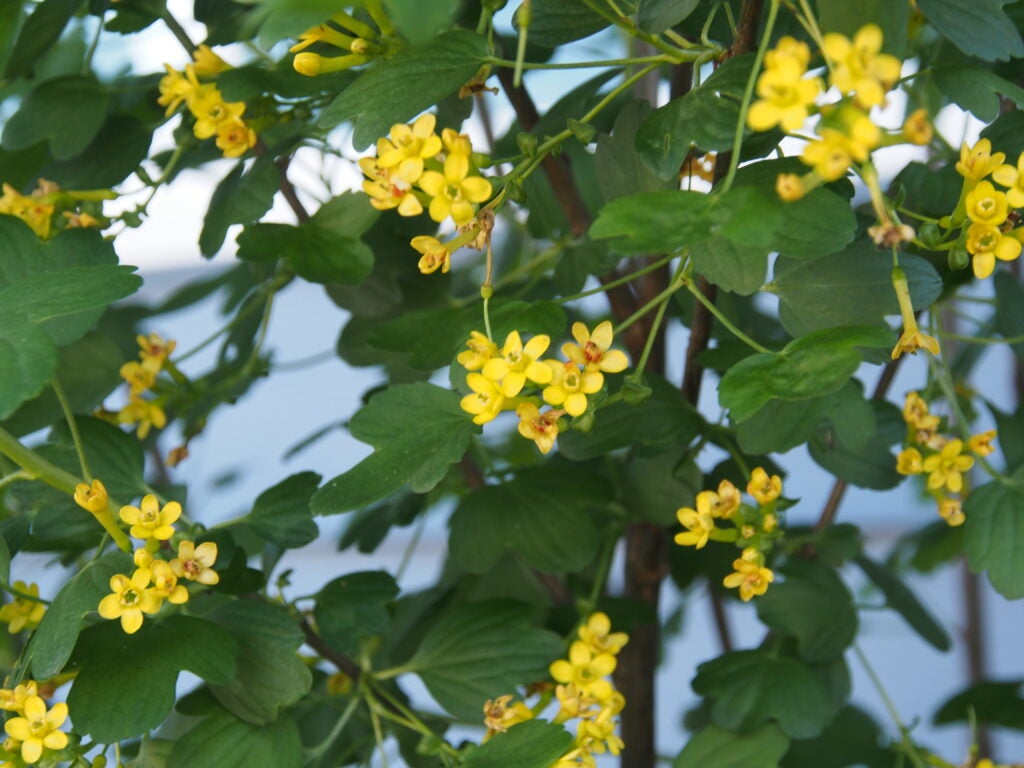
Ribes spp. Currant, Gooseberry
-
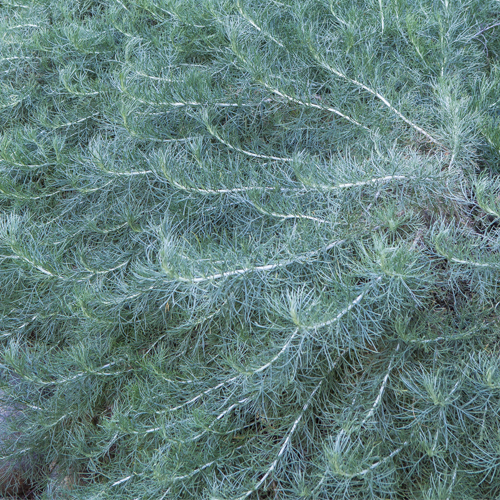
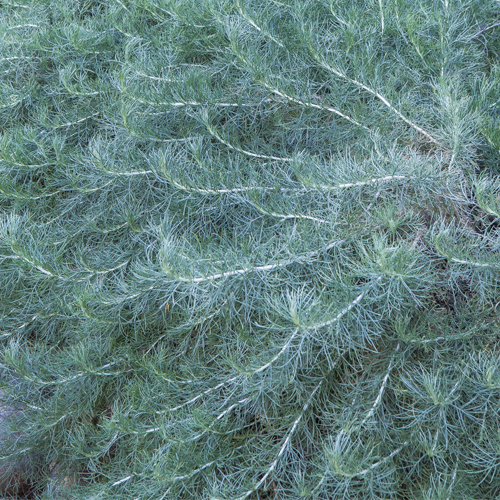
Artemisia spp. Sagebrush, Wormwood
-
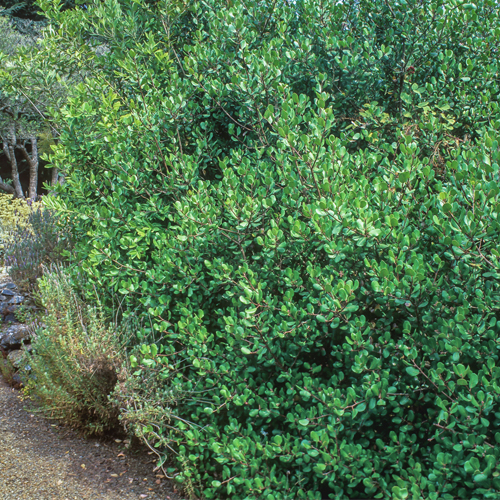
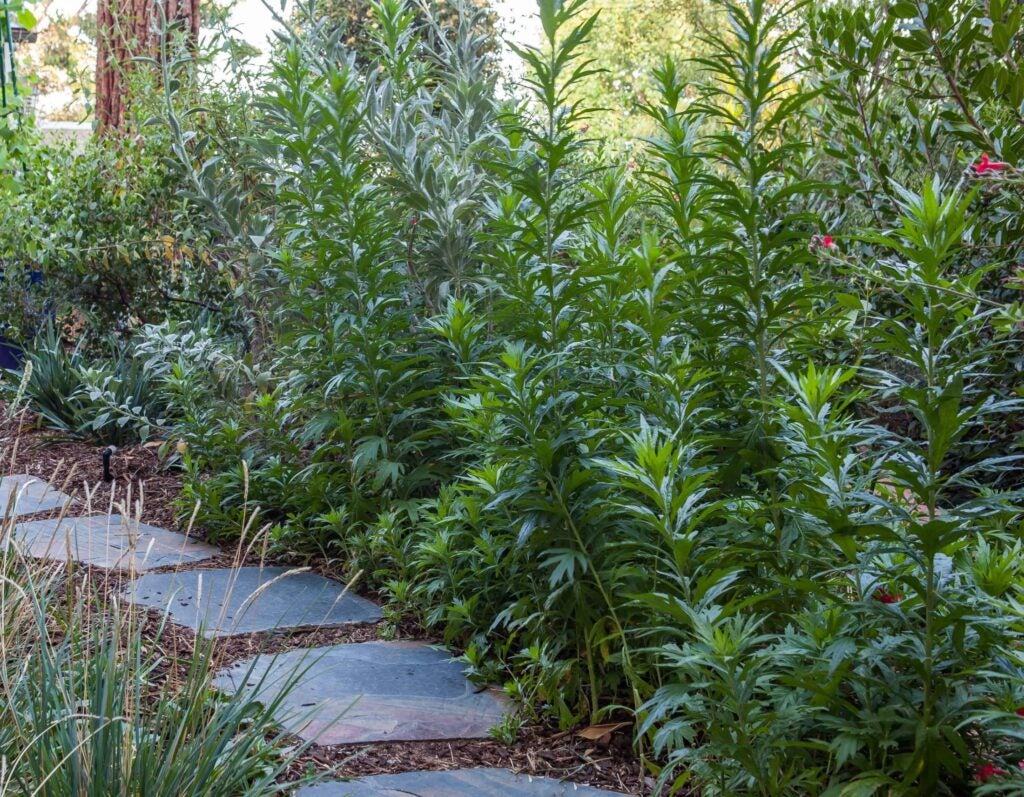
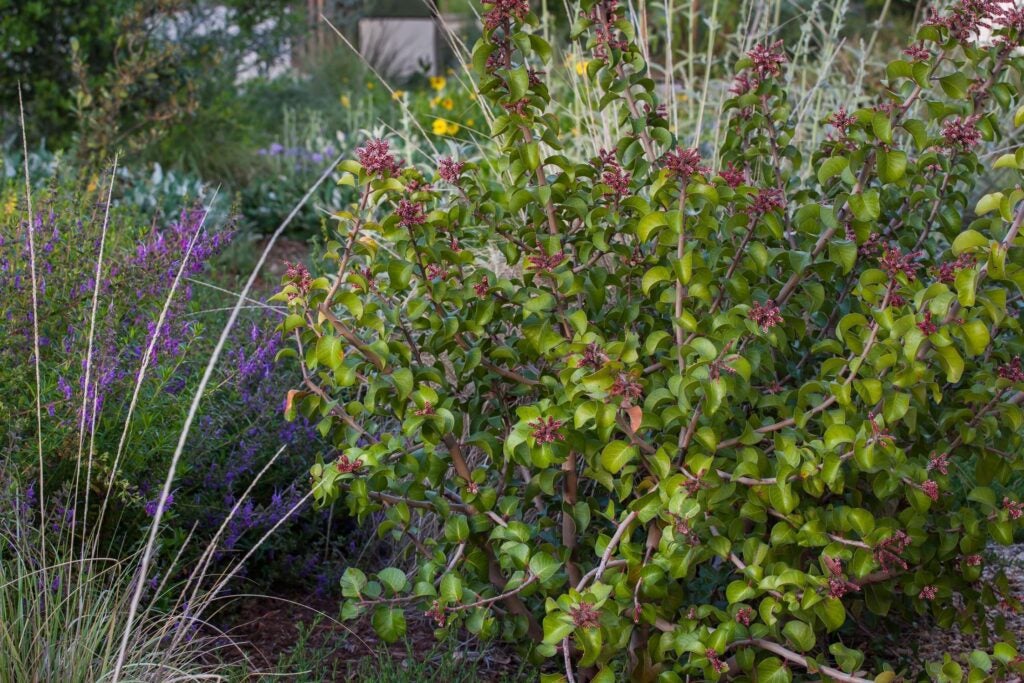
Rhus spp. Lemonade Berry, Sugar Bush
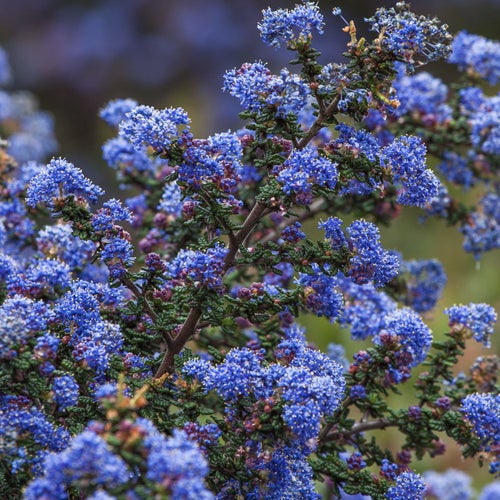

Favorite Plants
Ceanothus 'Windhorse Orchard'
Believed to be a chance cross in our garden between Ceanothus ‘Julia Phelps’ and Ceanothus griseus ‘Kurt Zadnick’
Austin Griffiths Manzanita
Arctostaphylos manzanita x ‘Austin Griffiths’
Valley Oak
Quercus lobata
Shore Pine
Pinus contorta var. contorta
Bush Poppy
Dendromecon rigida
Favorite Garden Suppliers
California Flora Nursery
2990 Somers Street Fulton
Harmony Farm Supply & Nursery
3244 Gravenstein Highway North Sebastopol
Recommended Resources
Gardening Tips
Plant a variety of Ceanothus.
We have a large variety of Ceanothus in our garden which broadens our Ceanothus bloom timeline throughout mid-winter to late-spring. Starting with Ceanothus maritimus ‘Valley Violet’ in early February, finishing with our Ceanothus thyrsiflorus ‘Skylark’ in June, and in between we enjoy lots of light blue, violet and deep purple floral displays. Many of these shrubs, typically shorter varieties, are planted near my fruit trees to the southwest. In this orientation, Ceanothus not only offer gorgeous blooms attracting pollinating insects, they also benefit our fruit trees by acting as windbreaks, by providing shade for the surrounding soil from the late day sun and by fixing nitrogen in the soil.
Plant a diverse hedgerow.
When planting a hedgerow, don’t limit your choices to one plant type or a single row of plants. Our 1,000-foot-long, two-row California native plant hedgerow consists of about a dozen different shrub types and more than a dozen different forbs planted in front of the shrubs. The more diversity you plant, the greater the variety of blooms throughout the year and the more wildlife species they benefit. Our forbs are planted in groupings of three or more plants near each other because bees exhibit “flower constancy,” focusing on specific blooms during foraging trips to maximize efficiency. This allows them to learn the best way to extract nectar and pollen from a particular species.
Purchase plants in 1-gallon or 4-inch containers.
All else being equal, most plants undergo less shock when transplanted from relatively small nursery pots. This means they establish themselves more quickly in the soil. And this can make a significant difference in the long run. Research has demonstrated that small plants can grow more rapidly and, over many years, even overtake more mature specimens from larger nursery pots when transplanted simultaneously. Starting with smaller plants gives you more time to prune the shrub’s development into your desired form. If you have time to wait, buying smaller plants will also save you a lot of money.