One Artist for the Birds
BACK TO FULL TOUR
Garden Features
Drought Tolerant
California Natives
Drip Irrigation
Pesticide Free
Rain Garden
Reclaimed/Recycled Materials
Sheet Mulching
Lawn Conversion
Lawn-Free Landscaping
Permeable Surfaces
Wildlife Habitat
Plant Labels
Bird Friendly
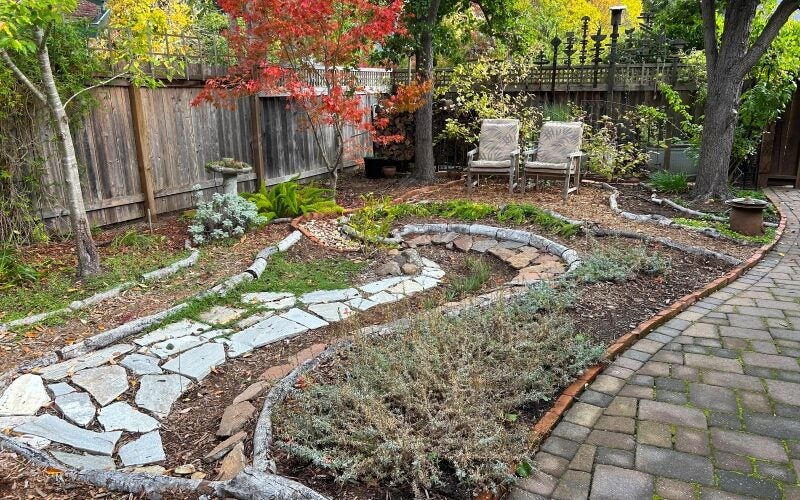
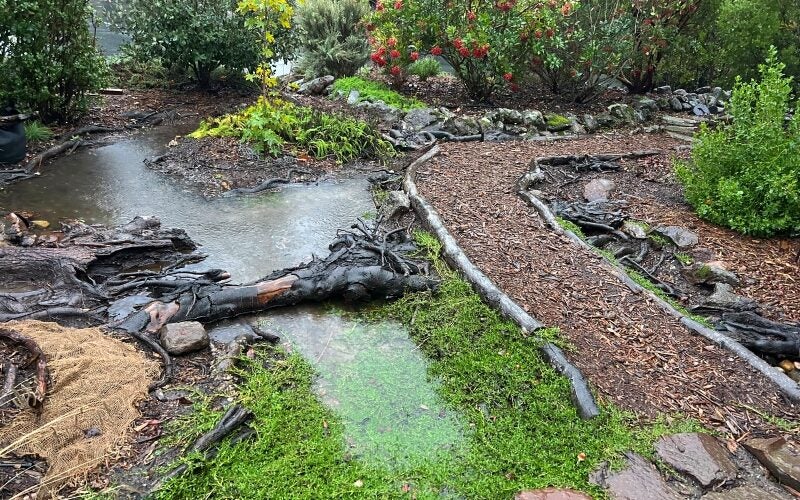
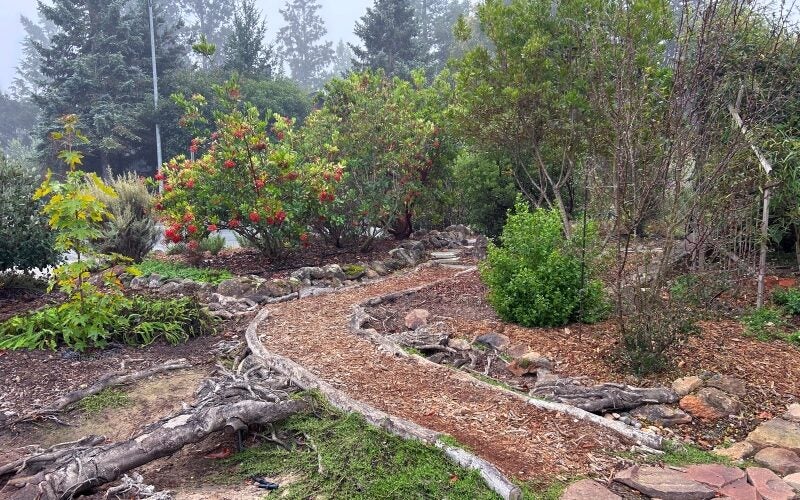
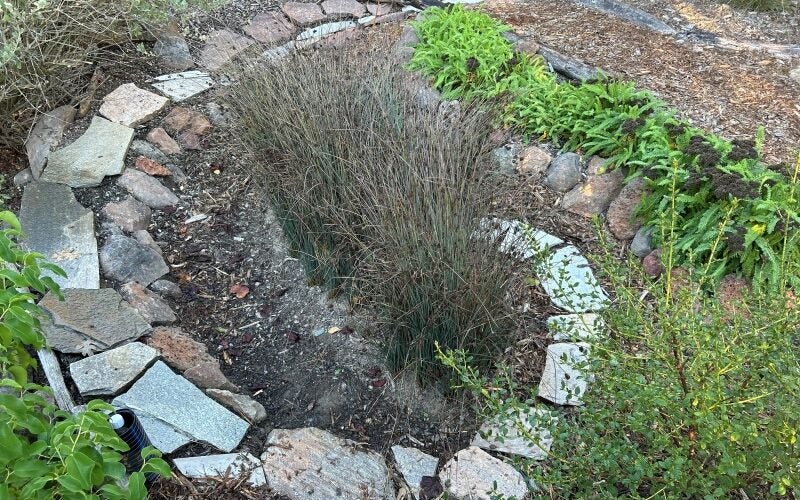
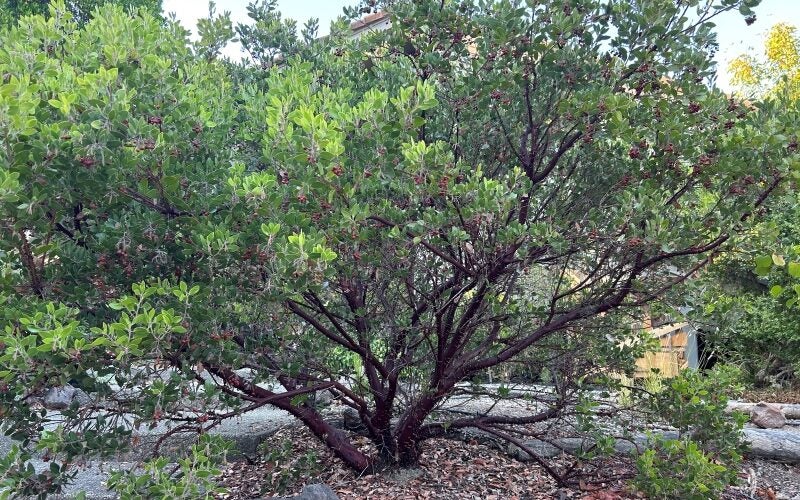
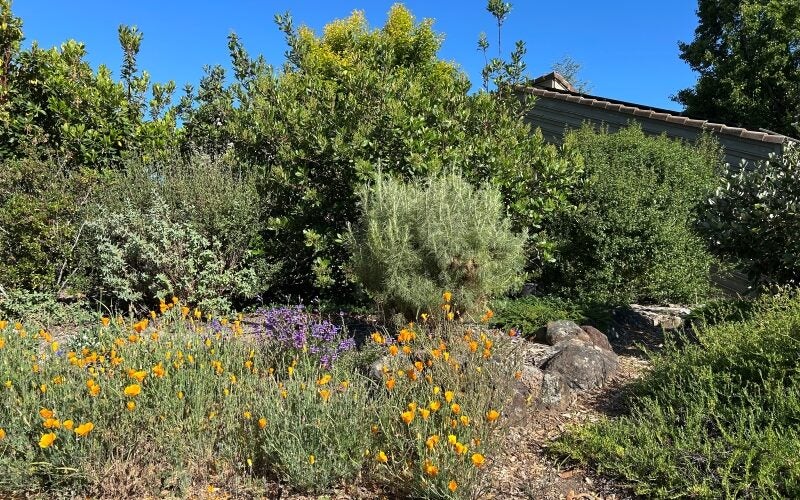
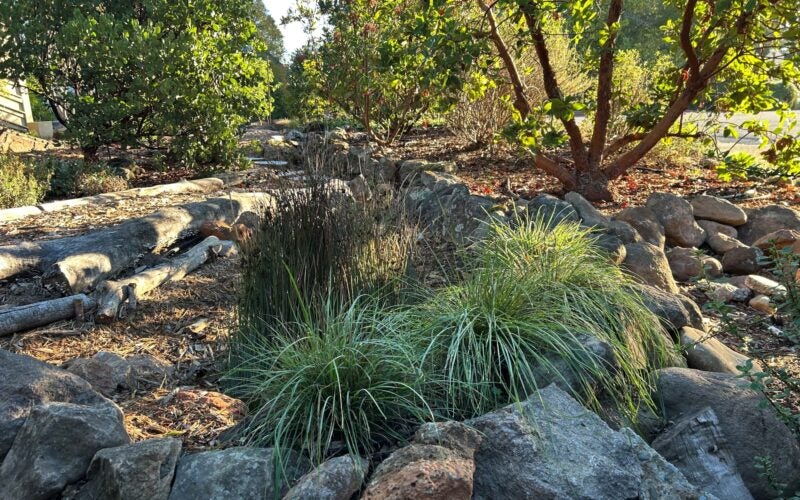
Although the garden holds many embellishments for us humans, birds are the focus here. Prioritizing birds leads to utilizing California native plants, since they provide year-round food and shelter. This modest-size garden now has over 70 different California natives, from mature shrubs to grasses, perennials and annuals. One thing leads to another. Supporting those plants for the birds and ecosystem led to installing five rain gardens. Annually, an average of over 50,000 gallons (yes, I checked the math) from winter rains now go into the ground rather than to the street. Additionally, much less water is used with removal of the grass lawn and addition of climate-friendly plants.
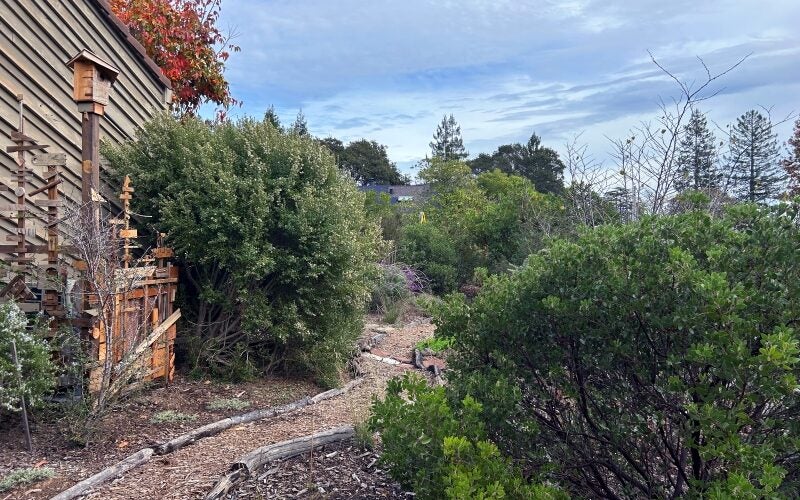
As an artist, the challenging layout of the downspouts with underground drainpipes along with the soil slope became springboards for playful solutions. I like to use what’s been left: extra wood, flagstone, brick, even tree roots. These upcycled materials are now major garden design elements. Fieldstone bolsters extra-steep banks. Mulched paths edged with logs slated for burn piles weave between the swales. The decaying wood logs and tree root hollows provide excellent habitat.
The garden is an ongoing process. We have kept some of the original plants for privacy, shade, fruit, and sometimes sentiment. As I’ve continued to learn over the last ten years, I now focus on plants local to Sebastopol that butterflies can use as a larval host. An amazing 96% of terrestrial birds feed their young insects, not seeds and berries. The insects they choose are predominantly caterpillars that require native plants.
Thankfully, with the Calscape website you can find plants native to your specific address, sorted by the number of butterflies a plant can host. I don’t have the space for a giant oak tree, but I can plant a small leather oak and tomcat clover. Who would think the humble tomcat clover could be a larval host to as many as 69 butterfly species?
I continue to plant so that the birds have a variety of food year-round, giving it a somewhat messy look, with seed heads left on stalks, winter foraging “fluff” remaining on the ground, and wood left in places to slowly decay. I focus on blooms rotating throughout the seasons, like the power-house coyote bush covered in a multitude of bees in October. Most recently I’ve been trying out annuals from seed.
Other additions I have created include non-obtrusive but attractive window bird screens, upcycled wood trellises and birdhouses. Each year we enjoy bird families that share our yard with us. We created three small water features and a habitat snag also with the birds in mind.
“They are ultimately wild hope for me. And if I can be invested in that, and help others be invested in it, then birds stand a chance. And if birds stand a chance, I feel like we stand some sort of chance. It’s about being in relationship and having some sort of kinship with them. That is celebration.”
J. Drew Lanham, ornithologist and poet
More photos available on Instagram: @stoutstudio
Special Events
Plants in this Garden
-
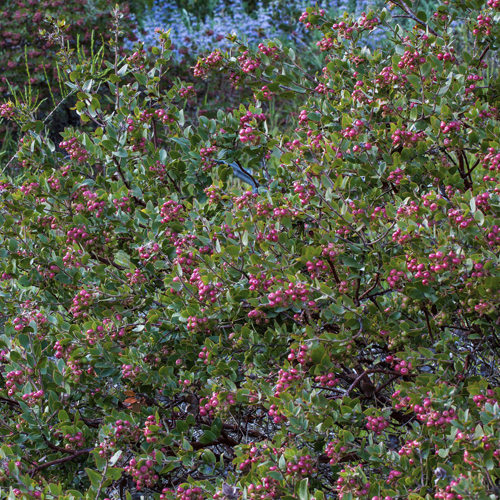
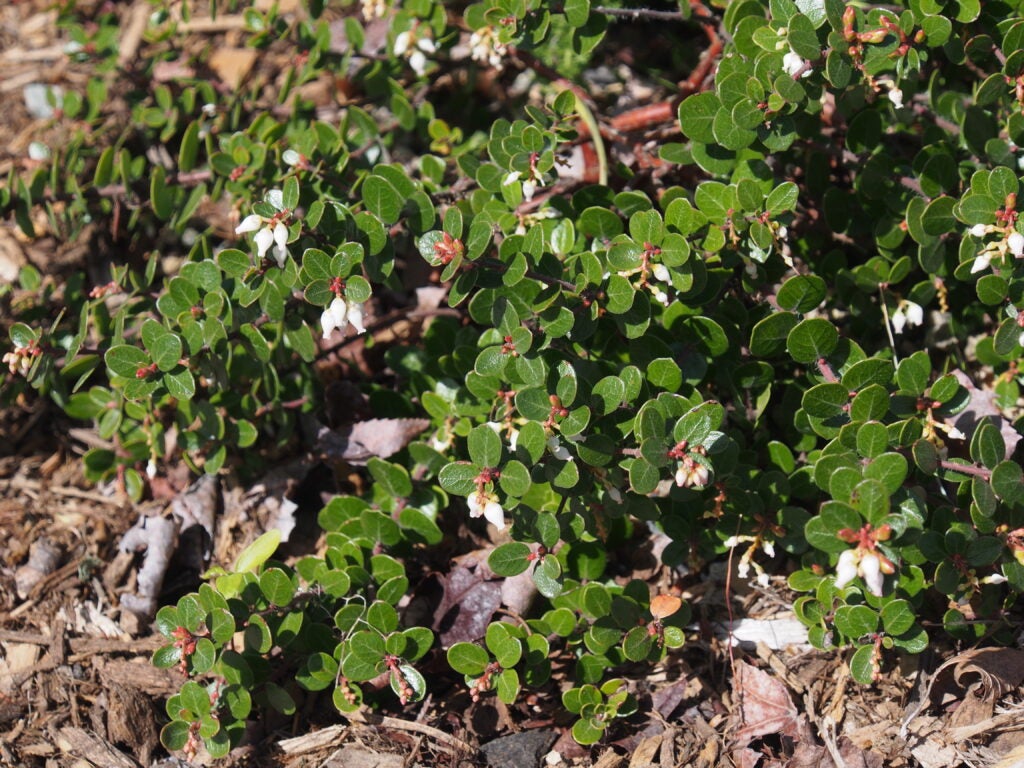
Arctostaphylos spp. & cvs. Manzanita
-
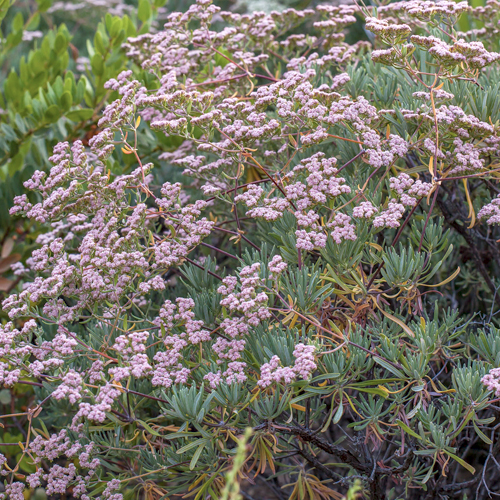
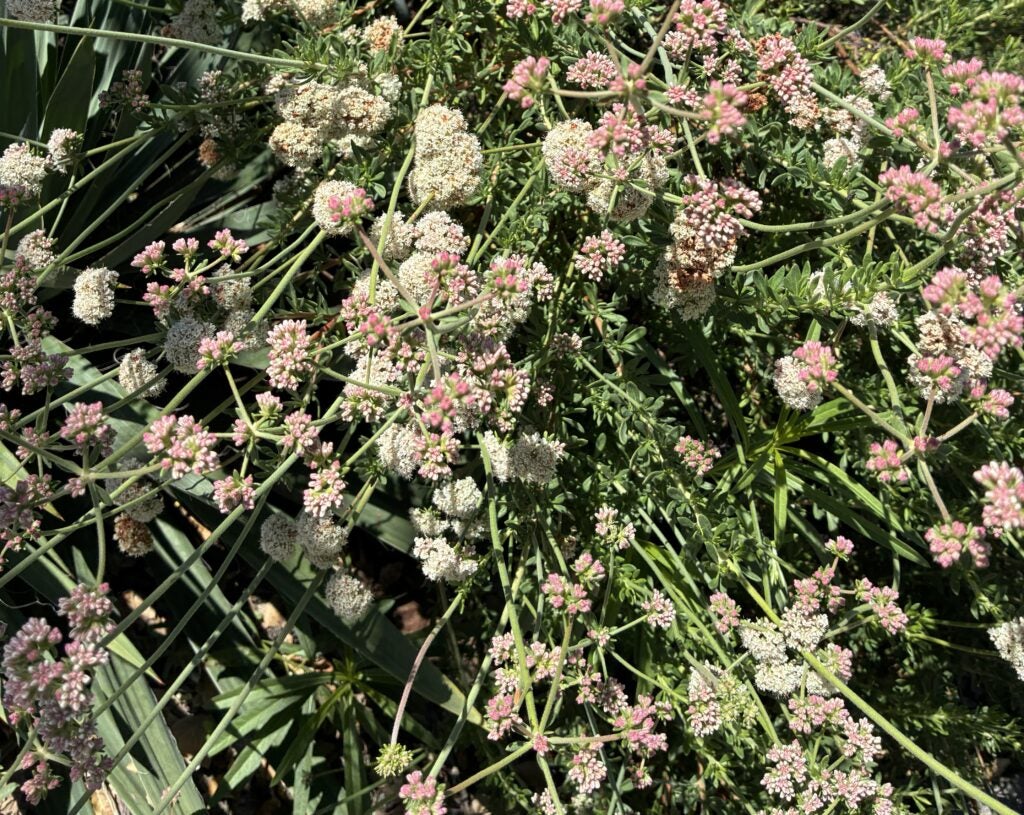
Eriogonum spp. Buckwheat
-
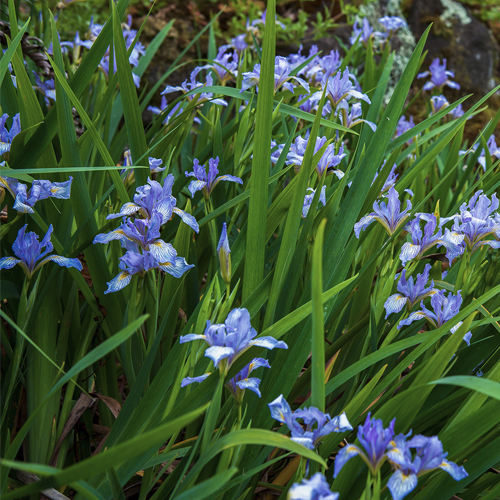
Iris douglasiana & cvs Douglas Iris, Pacific Coast Hybrids
-
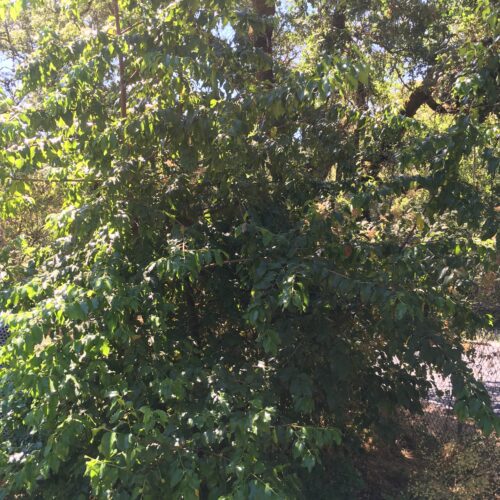
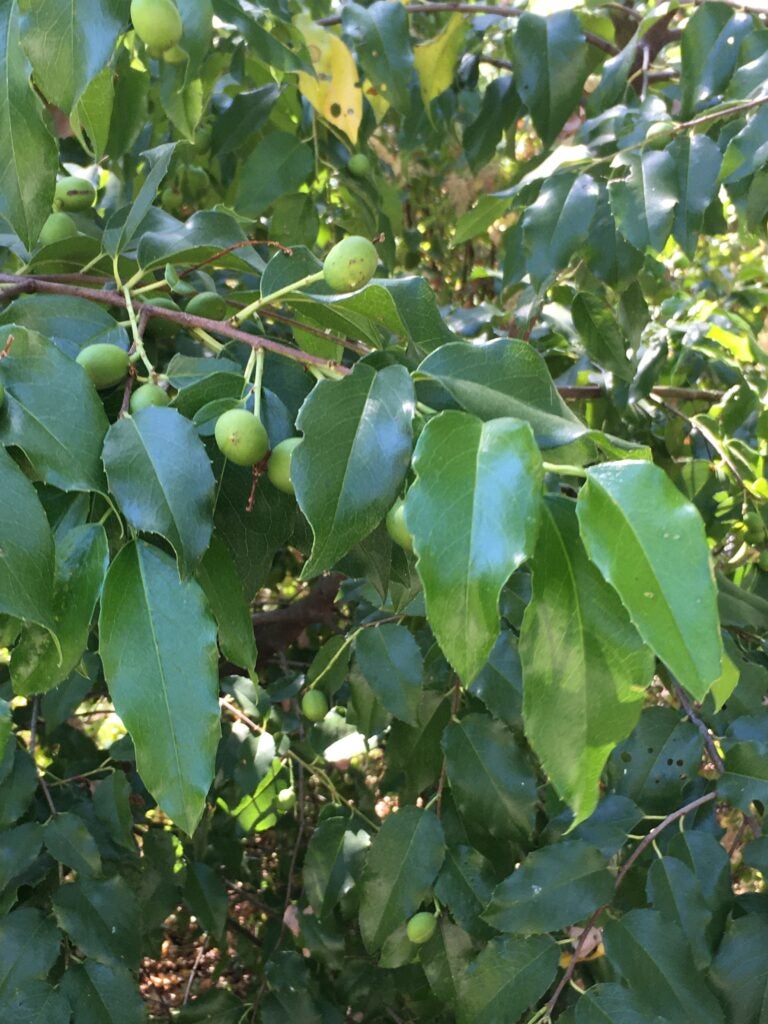
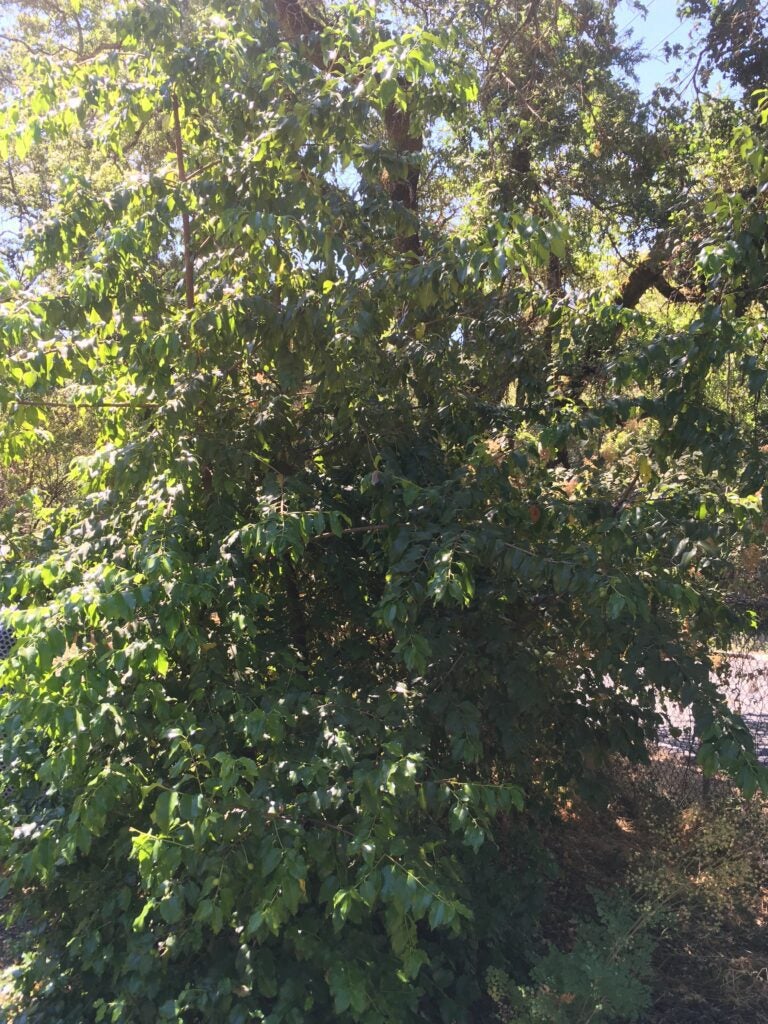
Prunus ilicifolia Holly Leaf Cherry
-
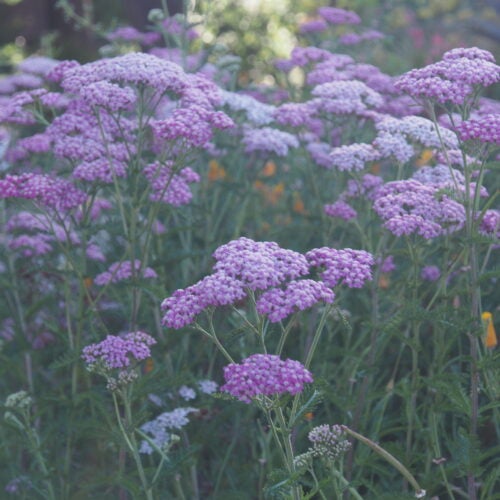
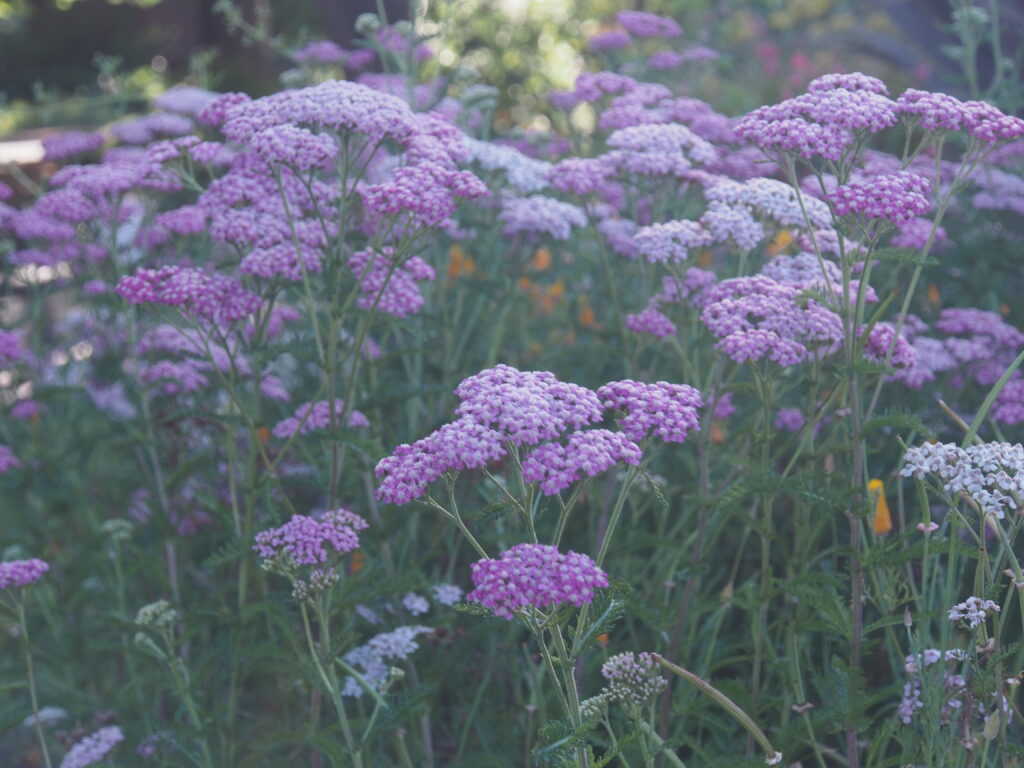
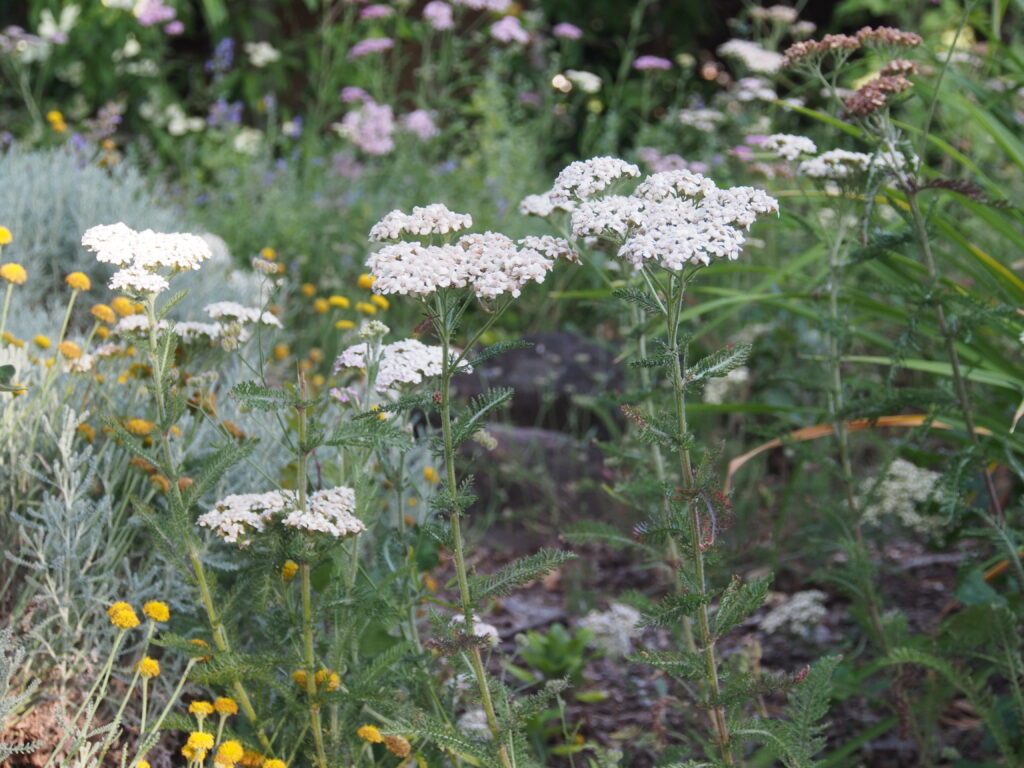
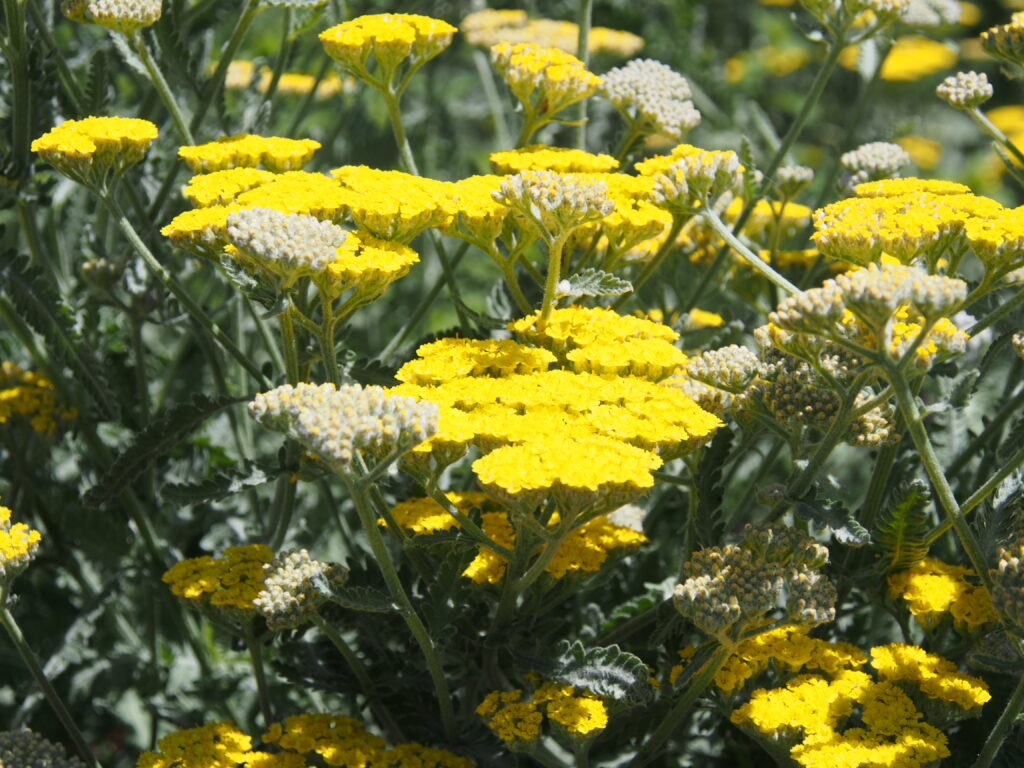
Achillea spp. & cvs. Yarrow
-
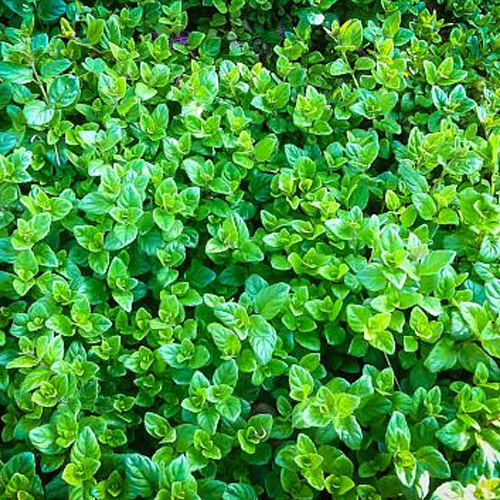
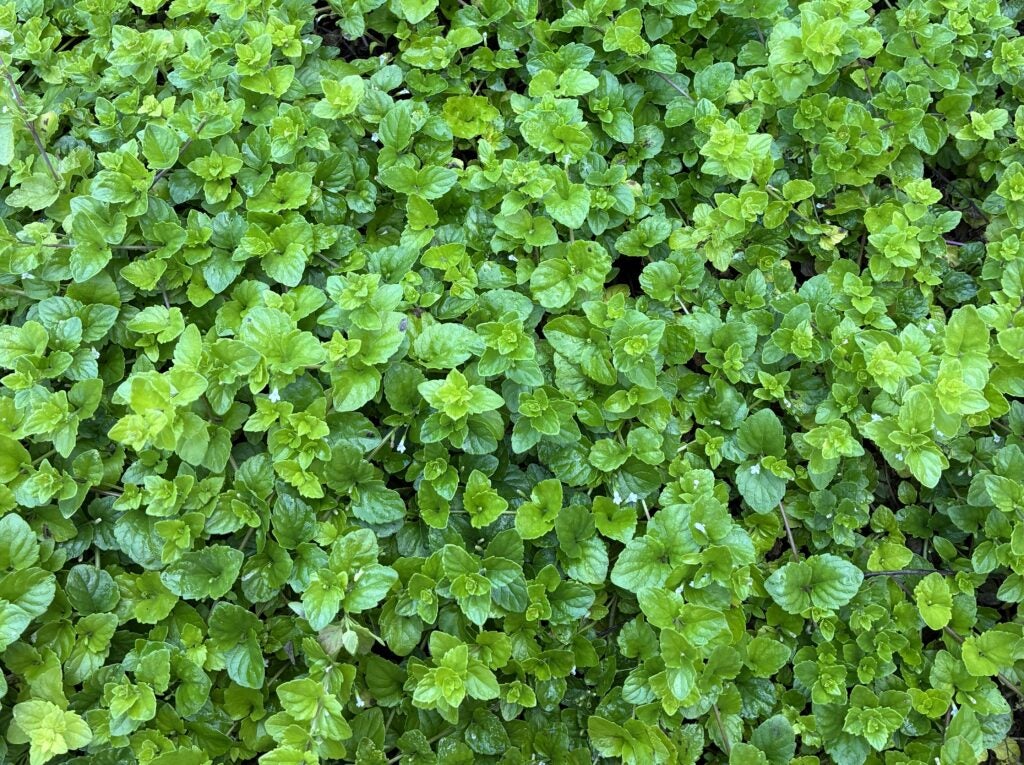
Satureja [Clinopodium] douglasii Yerba Buena
-
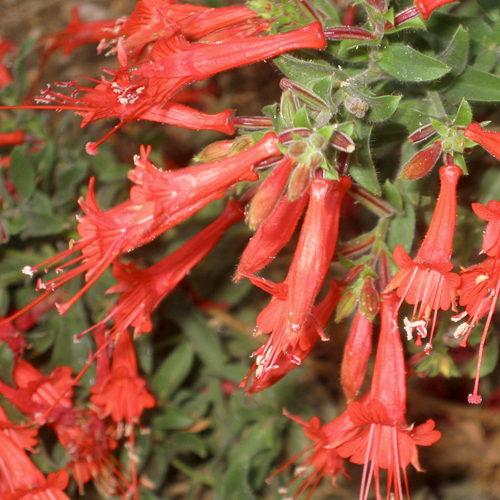
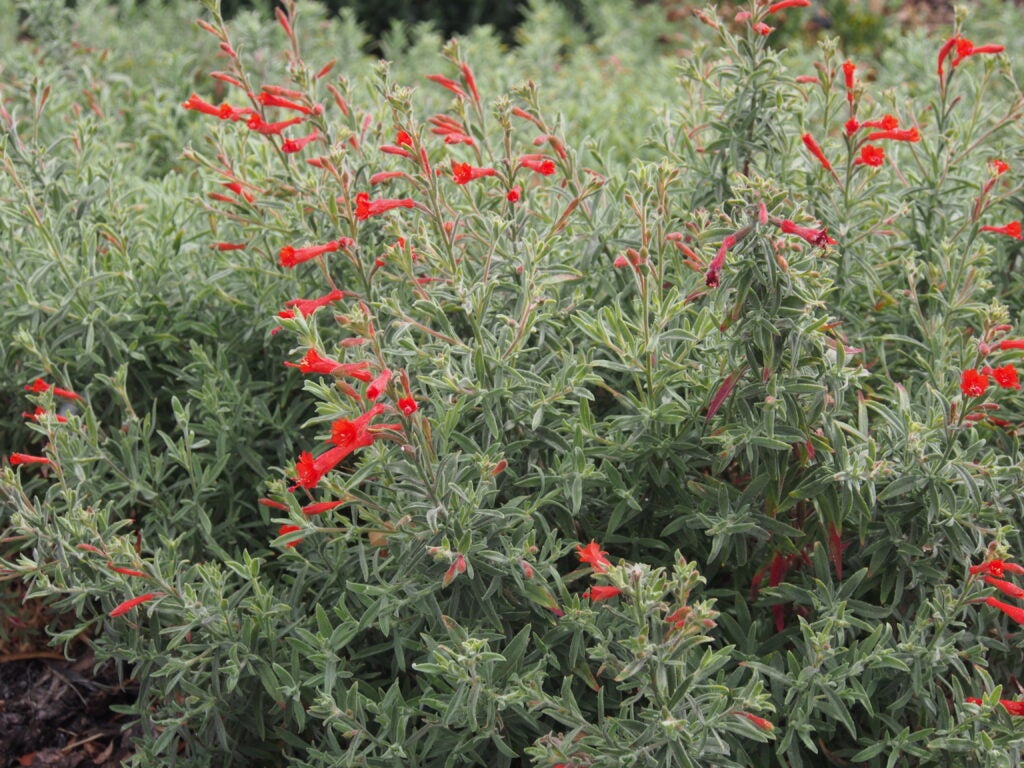
Epilobium [Zauschneria] canum California Fuchsia
-
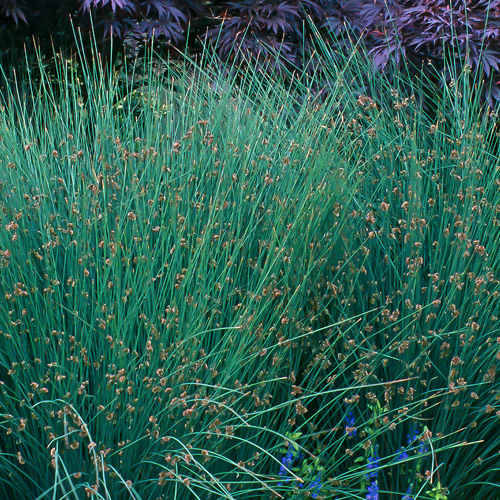
Juncus patens California Grey Rush
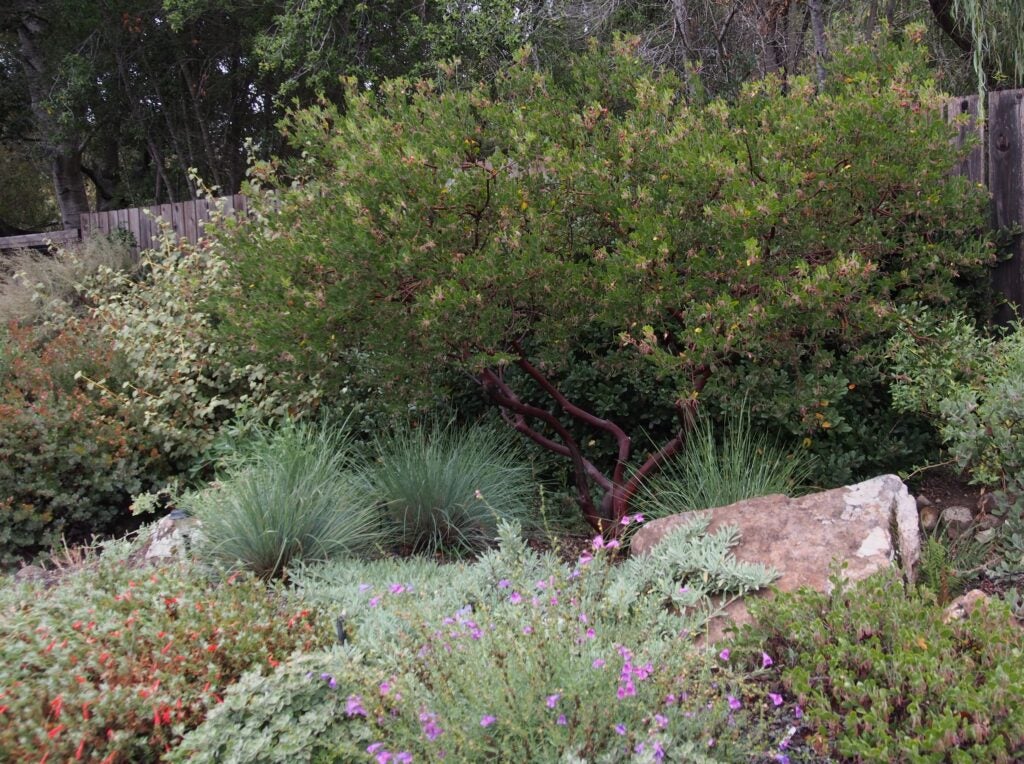
Favorite Plants
Coyote Brush
Baccharis pilularis: fantastic habitat plant, bee magnet when in bloom in October when there is so little else available, easy care
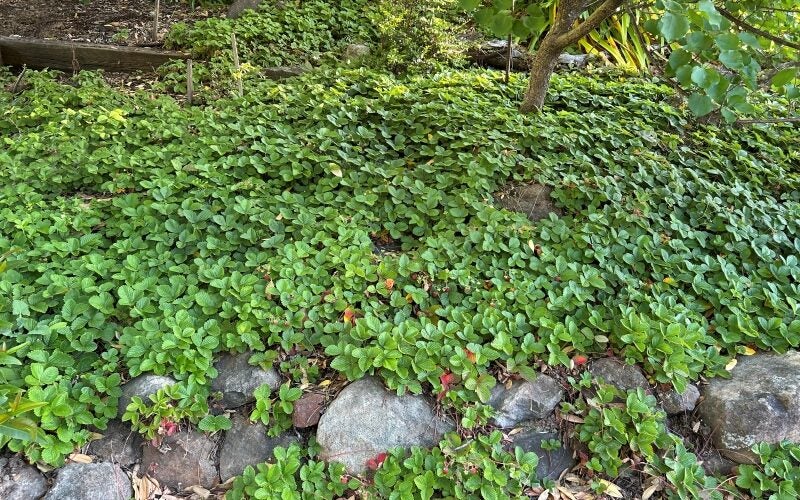
Woodland Strawberry
Fragaria vesca: great habitat plant and great low-growing ground cover for shady areas, easy care
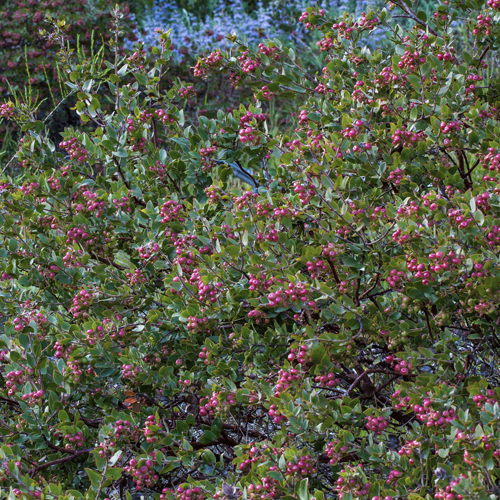
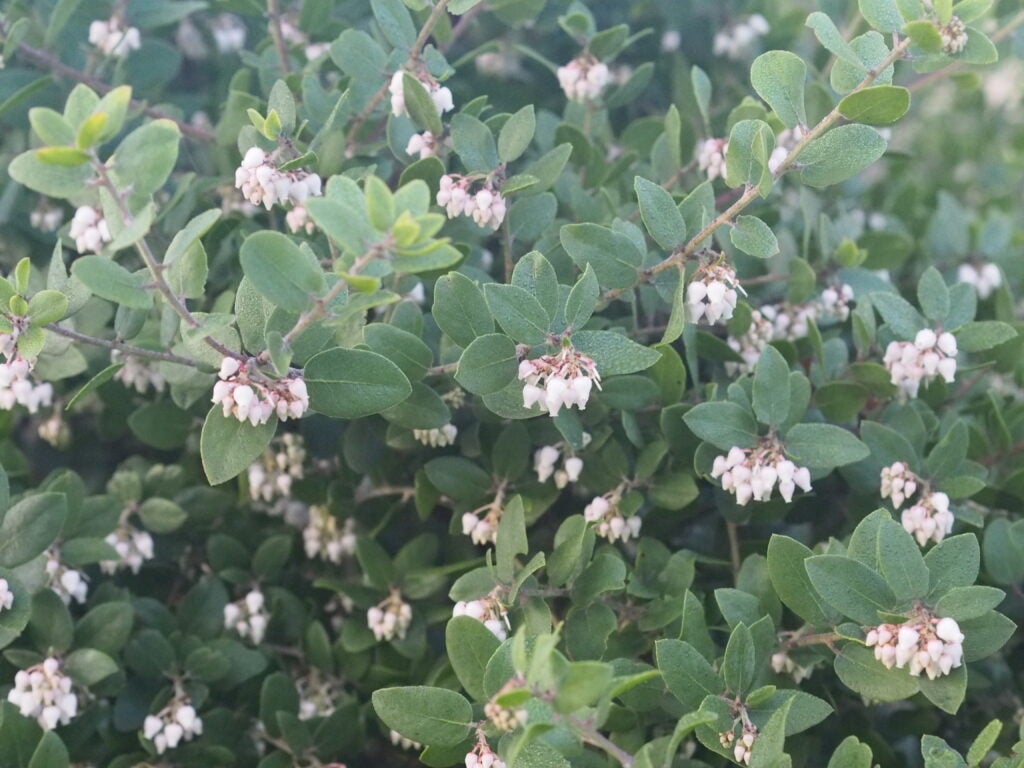
Sebastopol White Manzanita
Arctostaphylos manzanita ‘Sebastopol White’: great habitat plant, easy care, winter blooms, and so beautiful
Leather Oak
Quercus durata: small but mighty, great habitat plant, very low water, easy care
Warriner Lytle Buckwheat
Eriogonum fasciculatum ‘Warriner Lytle’: great habitat plant, bee magnet, blooms late when many flowers are done, easy care
Favorite Garden Suppliers
The Watershed Nursery Cooperative
601a Canal Boulevard Richmond
California Flora Nursery
2990 Somers Street Fulton
Harmony Farm Supply and Nursery
3244 Gravenstein Highway North Sebastopol
Recommended Resources
Gardening Tips
Plant natives!
It’s worth the effort, even just one plant. If you can, plant an oak tree (which come in many sizes). Ideally go for plants native to your county, and choose ones that can be used by butterflies as a larval host plant (info available by searching on Calscape).