Larkfield Community Garden and Learning Center

BACK TO FULL TOUR

Garden Features

1

Edible Garden

2

California Natives

3

Drip Irrigation

4

Rainwater Harvesting System

5

Rain Garden

6

Lawn-Free Landscaping

7

Wildlife Habitat

8

Educational Signage

9

Student Learning Garden

Partner: California American Water

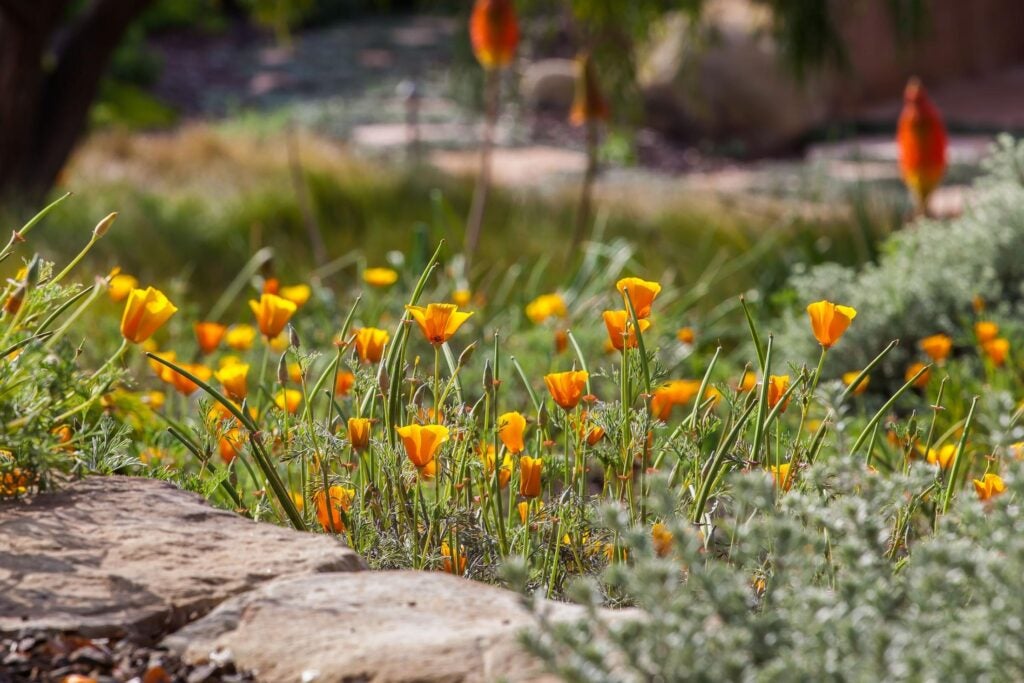
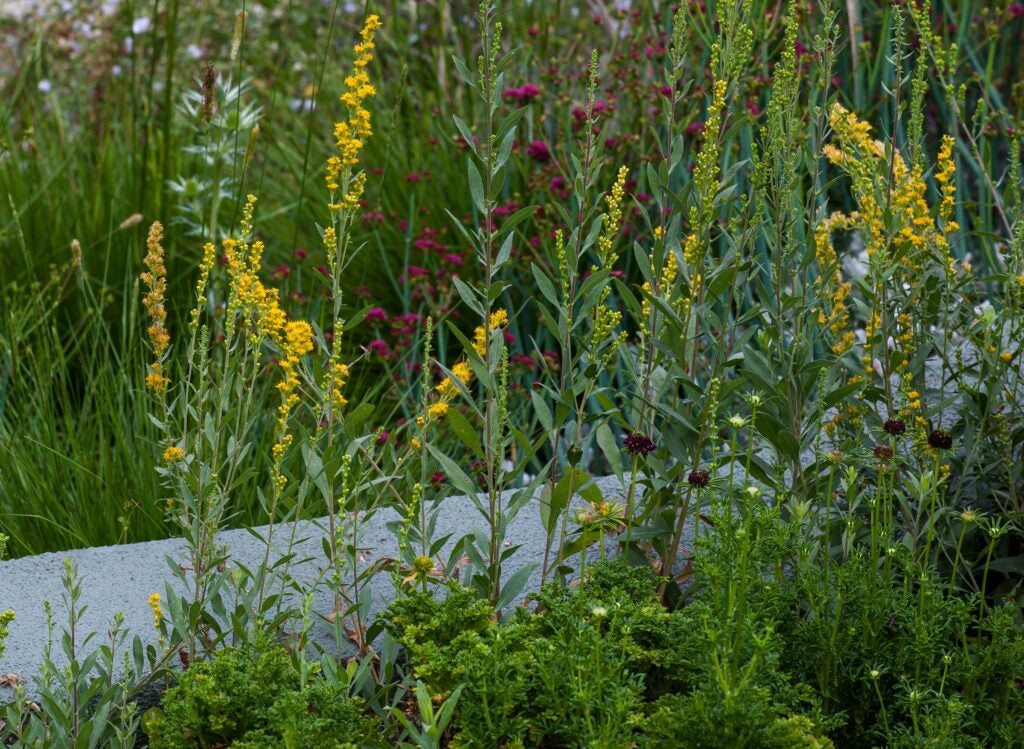
Discover the Larkfield Community Garden and Learning Center: A Living Classroom, Farm, and Oasis for Nature

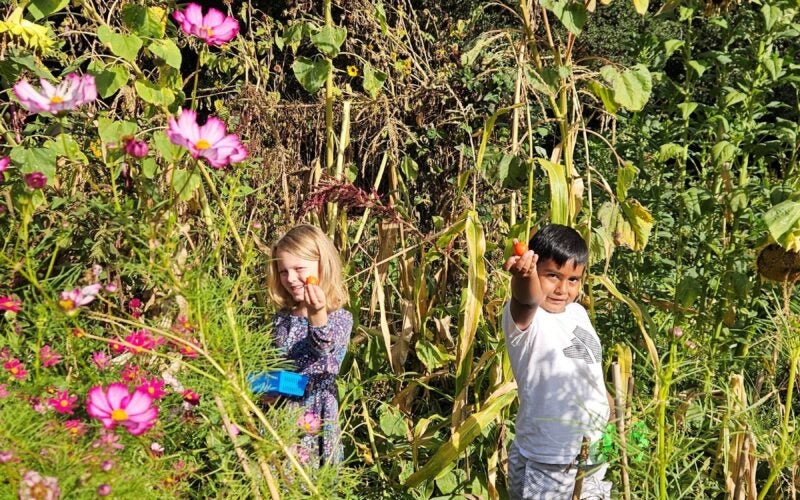
Nestled in the heart of our community, the garden is a living classroom, a productive farm, and a hub for ecological stewardship. Open to students and the public alike, the garden provides hands-on environmental education to over 450 students each month, with some classes meeting weekly. It’s a place where learning, conservation, and community intersect.

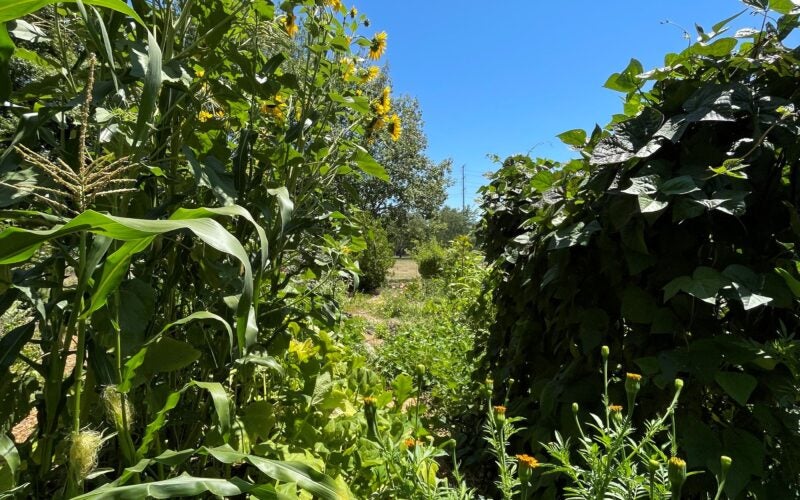
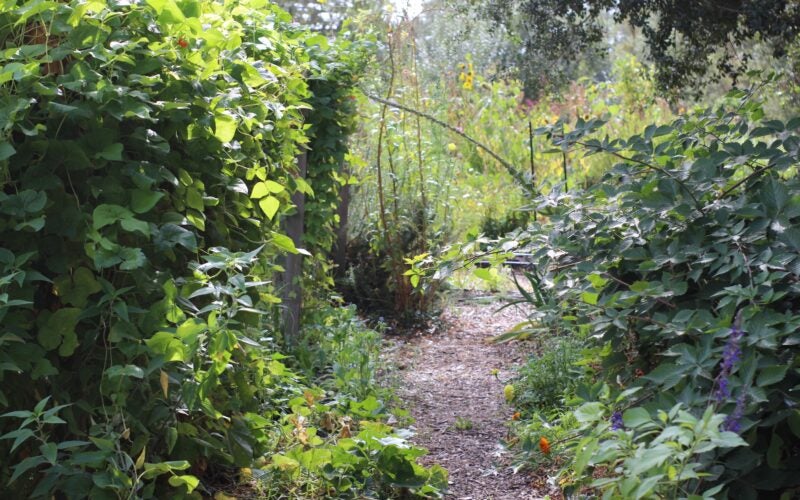
The garden features a thriving community garden and farm, cultivated by Farmer Rym, producing on average 3,000 pounds of fresh, seasonal produce each year. Open to the community, the garden addresses local food access, offering fruits, vegetables, and herbs that change with the seasons. Visitors can see firsthand how sustainable farming practices, like composting, water-efficient irrigation, and climate-smart planting, support both the land and the community.

In December 2025, a new rain garden was constructed in partnership with Conservation Works. This sustainable feature captures overflow from a 5,000-gallon rainwater catchment tank, allowing water to percolate naturally into the soil. The rain garden is a crucial element in protecting local rivers and wildlife while conserving water. Using drip irrigation, climate-smart plantings, and groundwater monitoring; the garden models how urban landscapes can manage stormwater responsibly and support resilient ecosystems. Rain gardens like this one not only reduce runoff but also provide habitat for pollinators and other beneficial species, creating a thriving ecological balance right in the garden.

Visitors to the Community Soil Garden can observe how sustainable design, ecological restoration, and food access come together. Each trail, planting bed, and demonstration area tells a story of environmental care, community connection, and hands-on learning. Whether you come to learn about native plants, taste fresh produce, observe wildlife, or simply enjoy a stroll through beautifully restored landscapes, the garden is a place where nature, education, and community flourish together. 
Plants in this Garden

Plant Picker
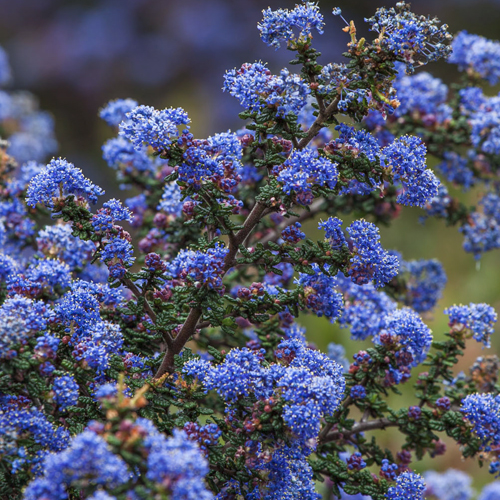
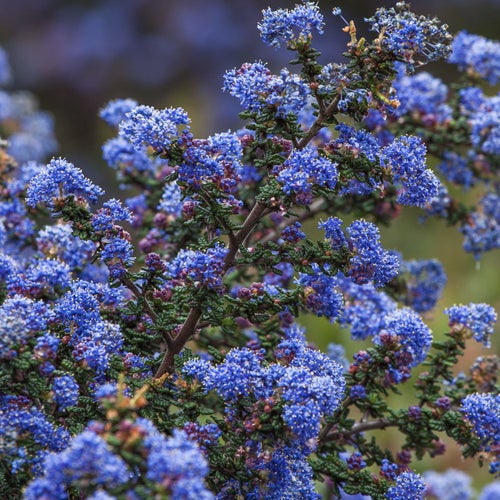
California Lilac ceanothus variety with clusters of small, vibrant blue flowers and dark green leaves

Ceanothus spp & cvs

Ceanothus
Organization

Ceanothus is a group of fast-growing, evergreen shrubs that vary from groundcovers to small trees, many of which are native to California. They provide a spectacular display of flowers in spring that will attract a multitude of pollinators. Flowers are followed by seeds that provide food for birds. The clusters of tiny flowers range from white to deep violet. Plants perform best with good drainage and minimal irrigation once established. Some do best in cooler coastal climates, but many thrive in hotter inland climates. Pay close attention to the mature size when selecting ceanothus to ensure that it has sufficient space for its natural form.

Groundcovers: C. ‘Centennial’ (1’ x 8’), C. gloriosus var. gloriosus ‘Anchor Bay’ (2’ x 8’), C. griseus var. horizontalis ‘Diamond Heights’ (variegated, 1’ x 4’), C. griseus var. horizontalis ‘Yankee Point’ (3’ x 12’), C. maritimus (2’ x 6’).

Shrubs: C. ‘Blue Jeans’ (6’ x 6’), C. Concha (6’ x 6’), C. ‘Dark Star’ (6’ x 8’), C. ‘Joyce Coulter’ (4’ x 12’), C. ‘Julia Phelps’ (8’ x 10’), C. cuneatus (8’ x 8’), C. thyrsiflorus ‘Skylark’ (4’ x 6’).

Large shrubs: C. ‘Frosty Blue’ (10’ x 12’), C. thyrsiflorus (20’ x 20’), C. t. ‘Snow Flurry’ (white flower, 20’ x 20’).

Trees: C. ‘Ray Hartman’ (15′ x 15′)

  • Water: Very LowLow
  • Light: Full SunPartial Shade
  • Soil: Well Drained
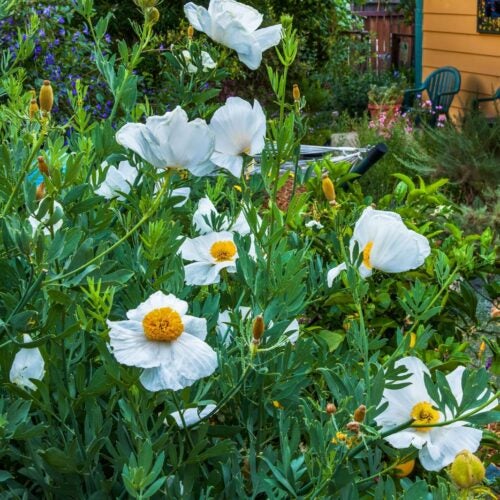
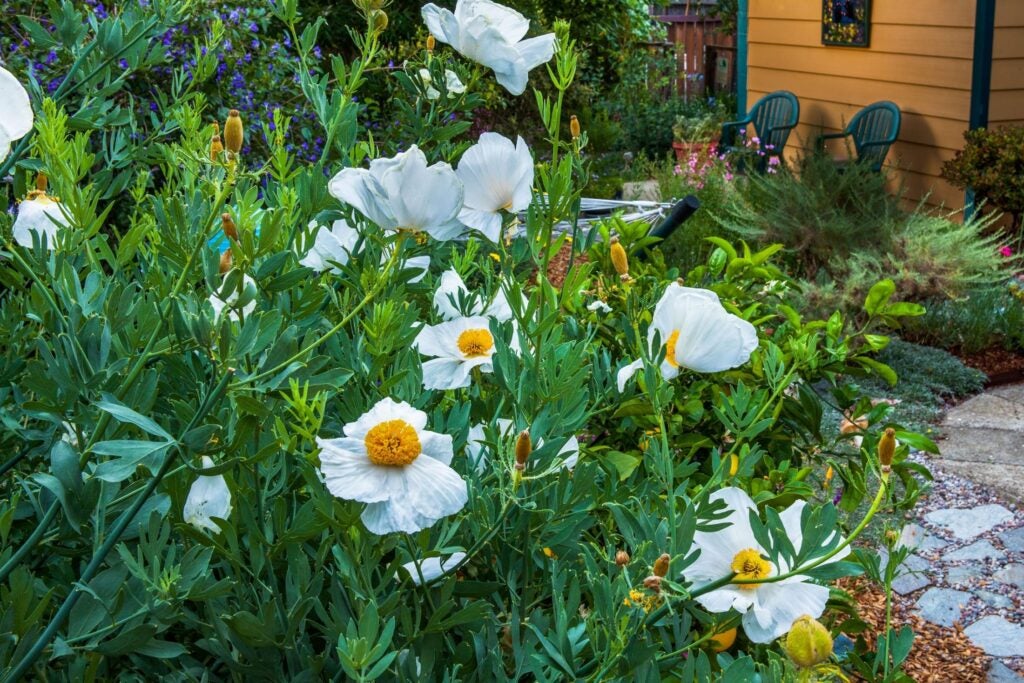
A shrub with vibrant green leaves and large, crinkled flowers with white flowers and yellow, spherical group of stamens.

Romneya coulteri

Coulter's Matilija Poppy
Organization

The Matilija poppy is a very large species of California poppy. Its flowers alone can grow to 7 inches in diameter. The shrub itself can be 6-10 feet tall and 2-4 feet wide. Plant near other shrubs that can outcompete it for space, such as ceanothus, coffeeberry, sugarbush, or flannelbush. Plant in sandy, well-drained soil and water carefully until established because it can suffer from both too much and too little once. Once established, however, the shrub is easy to grow and requires no watering at all. Can be cut back hard in late fall.

  • Water: Low
  • Light: Full Sun
  • Soil: Well Drained
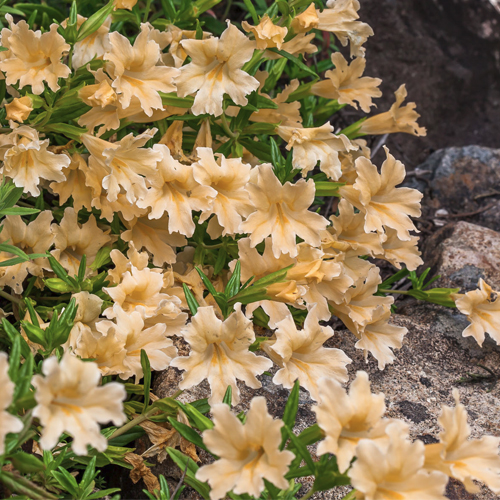
A group of small, peach-colored trumpet flowers with green leaves.

Mimulus aurantiacus and hybrids

Sticky Monkey Flower
Organization

The orange, tubular flowers of sticky monkey flower can be enjoyed in many locations throughout Sonoma and Marin counties in spring and summer, a testament to how well this plant is adapted to hot and dry conditions. The slightly sticky leaves benefit from light pinching and pruning to maintain an attractive appearance and support for the beautiful flowers. Many hybrids provide color variation. Do not confuse this plant with the red-flowered scarlet monkey flower (Mimulus cardinalis), an herbaceous riparian plant that requires regular water to thrive.

  • Water: Very Low
  • Light: Full SunPartial Shade
  • Soil: Sandy
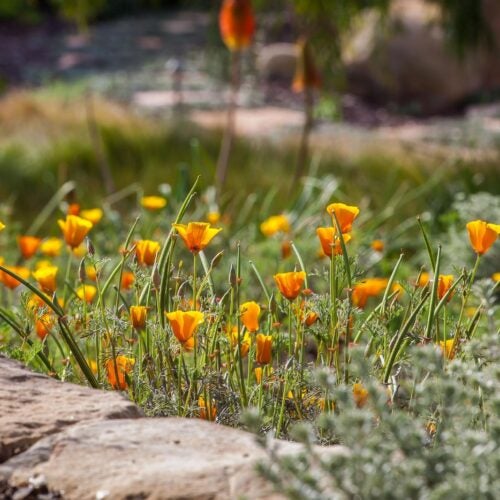
Medium-sized orange flowers with blue green, fine leaves.

Eschscholzia californica

California Poppy
Organization

The California state flower, the California poppy, is a persistent native wildflower. It is best to plant seeds in fall when the rain begins. Once established, the poppy will reseed and spread across your yard. It is great for bees, birds, butterflies, and other pollinators as well as being deer resistant. Poppies prefer well-drained soils but can tolerate most soils including clay.

  • Water: Very Low
  • Light: Full SunPartial Shade
  • Soil: Most Soils
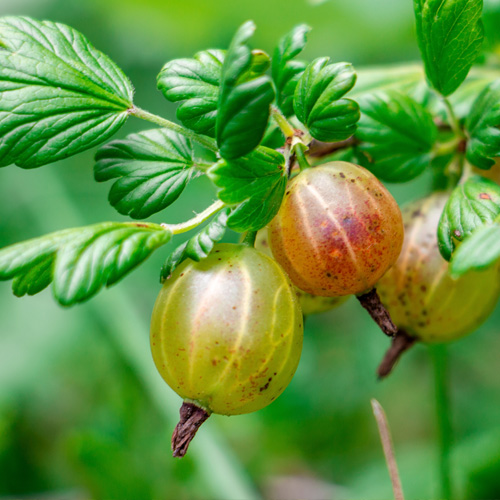
close up of yellow and red gooseberries with a dark brown spine on the bottom of each

Ribes spp

Currant, Gooseberry
Organization

Currants (without spines) and gooseberries (with spines) are grown for their graceful growth habit, attractive foliage, wonderful displays of pendulous flowers in winter-spring that are attractive to hummingbirds, and colorful fruit that provides a food source for birds. Most of the species listed are deciduous, going dormant in the summer months.

Examples: Some of the species suitable for California gardens, preferably with partial shade, are native to the Western United States:

  • aureum, golden currant (5-10’ x 3-6’), deciduous with small clusters of delicate yellow flowers and sprawling habit.
  • malvaceum, chaparral currant (4-8’ x 4-6’), deciduous with early clusters of pink flowers, a slightly vase-shaped habit, and more drought-tolerant than most species.
  • sanguineum var. glutinosum, pink-flowering currant (5-12’ x 5-12’), deciduous with maple-like leaves, a vase-shaped habit, and long pendulous clusters of pink, reddish, or white flowers in the spring; many available cultivars such as ‘Claremont’, ‘Tranquillon Ridge’, and ‘White Icicle’.
  • speciosum, fuchsia-flowered gooseberry (4-8’ x 6-10’), deciduous with spiny, arching stems and bright red fuchsia-like flowers along the stems in the spring that are attractive to hummingbirds.
  • viburnifolium, evergreen currant or Catalina perfume (2-4’ x 5-7’), evergreen groundcover that works well under oaks and can provide erosion control to slopes.
  • Water: Very LowLow
  • Light: Full SunPartial ShadeShade
  • Soil: Well Drained
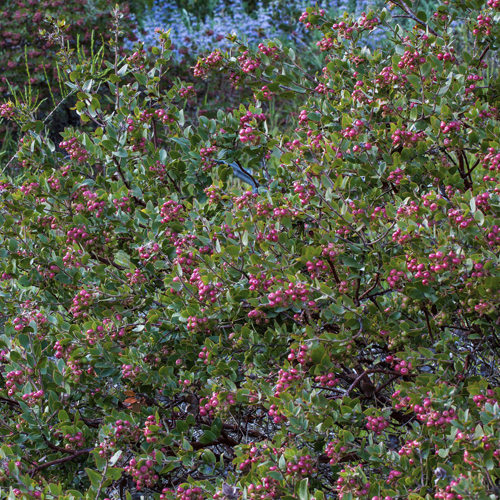
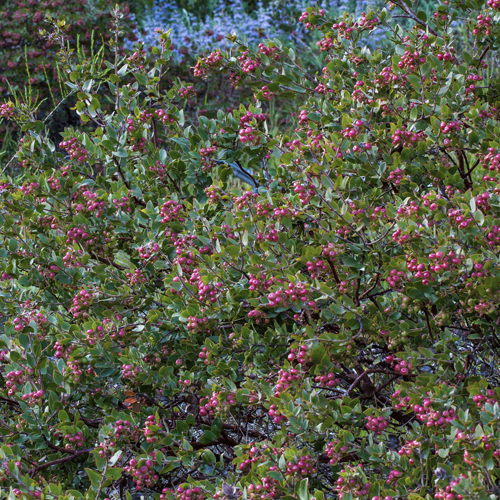
Manzanita bush with deep red fruits

Arctostaphylos spp & cvs

Manzanita, 'Dr. Hurd'
Organization

Manzanitas vary from carpet-forming groundcovers to small trees. Manzanitas have varying shades of striking, reddish brown bark and can provide structure to a garden. These plants have evergreen foliage, small white-to-pink, urn-shaped blossoms in late winter to early spring, and then small fruits that resemble tiny apples.

Groundcovers: A. ‘Emerald Carpet’ (1’ x 3-6’), A. ‘Pacific Mist’ (2-3’ x 6-8’), A. nummularia ‘Bear Belly’ (1’ x 3’), A. uva ursi ‘Radiant’ (6” x 4-6’), A. uva ursi ‘Wood’s Compct’ (1’ x 3’).

Shrubs: A. ‘Howard McMinn’ (5-7’ x 6-10’), A. ‘John Dourly’ (3-4’ x 5-6’), A. ‘Lester Rowntree’ (8-10’ x 10-15’), A. ‘Sunset‘ (5-7’), A. bakeri ‘Louis Edmunds’ (8-10’), A. manzanita ‘Sentinel’ (6-8’ x 5’), A. hookeri ‘Wayside’ (3′ x 8′).

Trees: A. manzanita ‘Dr. Hurd’ (10-15′)

  • Water: Very LowLow
  • Light: Full SunPartial Shade
  • Soil: Well Drained
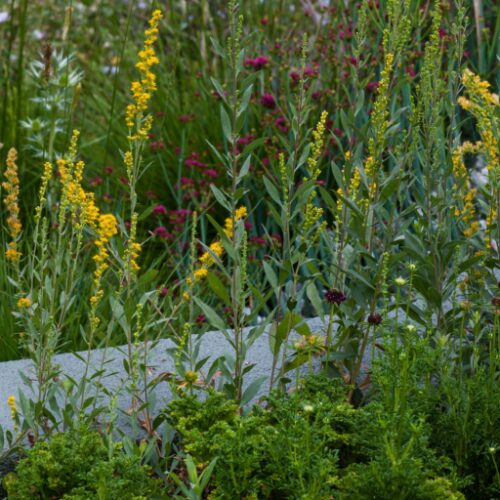
Stems with scattered leaves at the base and yellow raceme flower clusters at the tips

Solidago velutina californica

California Goldenrod
Organization

California native perennial herb with oval shaped, gray-green leaves. Yellow flowers will appear in the summer and early fall. Natural habitat for birds and pollinating insects and tolerates a wide variety of soils.

  • Water: Moderate
  • Light: Full SunPartial Shade
  • Soil: Most Soils
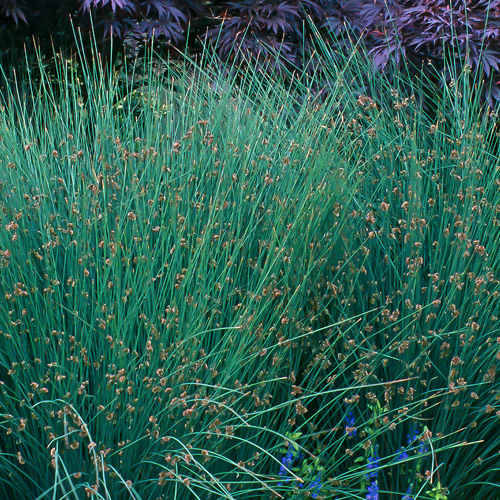
Tall blue-gray bushes of grass with small brown tips.

Juncus patens

California Grey Rush
Organization

California gray rush is a go-to species for the summer-dry rain garden. It will thrive in moist conditions and its roots will help stabilize soil and filter stormwater runoff. It is also tolerant of extended periods of drought. Clumps of stiff, upright foliage provide an interesting contrast among other perennials. ‘Elk Blue’ is a widely available selection from Mendocino County. Its bluish gray foliage is shorter than the typical gray rush.

  • Water: Low
  • Light: Full SunPartial Shade
  • Soil: Well Drained

Recommended Resources