Barrel-y Any Water
BACK TO FULL TOUR
Garden Features
Drought Tolerant
California Natives
Drip Irrigation
Rainwater Harvesting System
Rain Garden
Reclaimed/Recycled Materials
Sheet Mulching
Lawn Conversion
Lawn-Free Landscaping
Permeable Surfaces
Partner: Santa Rosa Water
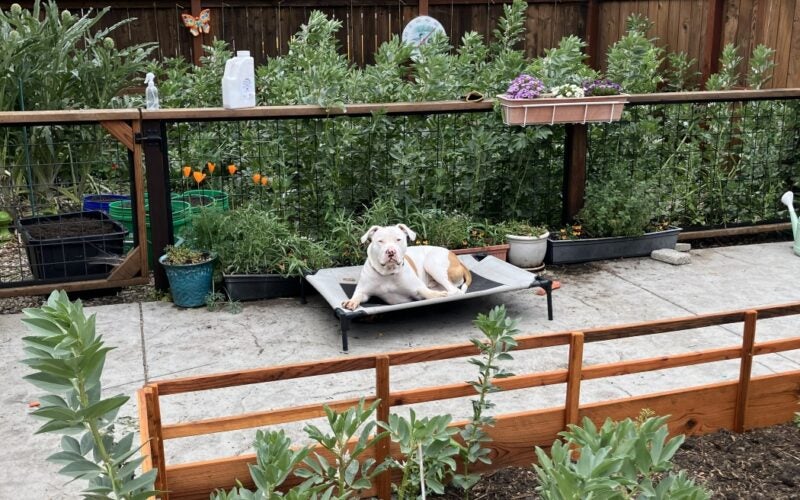
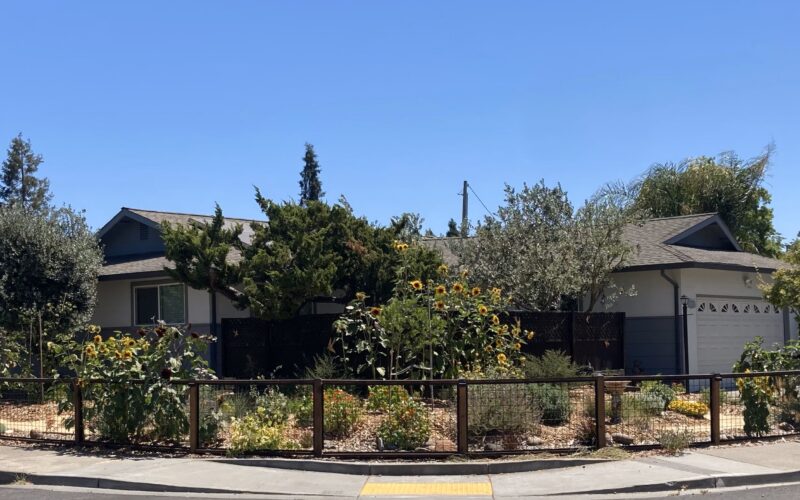
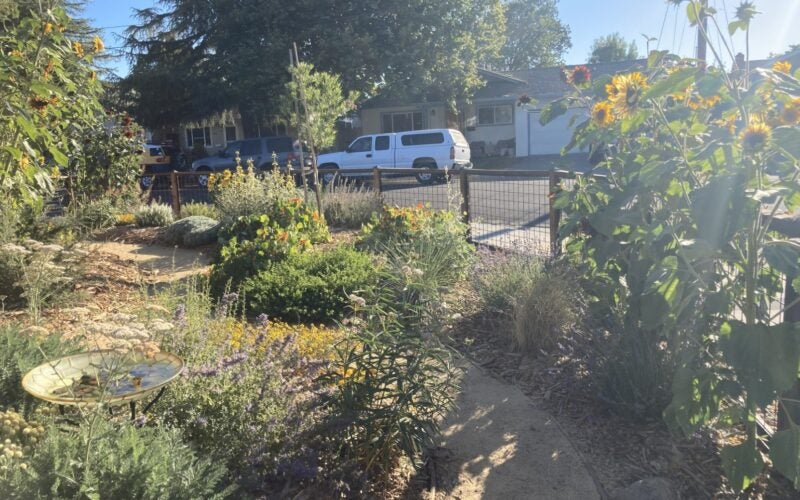
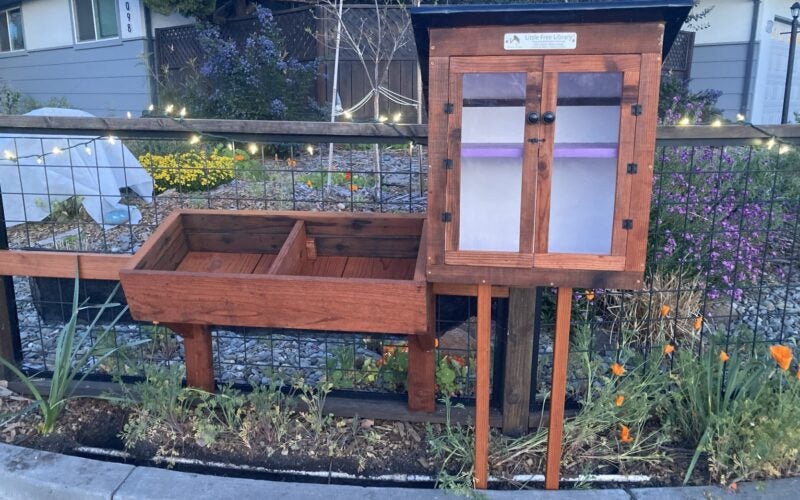
This corner lot was a true labor of love that has become a self-sustaining habitat.
When we bought the property, there was nothing but bermuda grass and clay soil in the front. We started by intentionally killing the lawn (by not watering), and then applying gypsum to break up the clay. Simultaneously, we built a hog-wire fence to surround the garden. We tried to dig up as much Bermuda grass as possible at this point, and moved soil around to create topographical features. Next, we constructed a winding path made of deconstructed granite. What followed was many trips to Costco to pick up cardboard for mulching. For the rain garden (drainage at the bottom of the sloping lot) where cardboard was not feasible to use, we laid down multiple layers of newspaper instead. Finally, the fun part arrived: garden design and planting.
Neither my husband nor I have any landscaping experience, but I have a background in agriculture and worked at a retail nursery for a few years, so…good enough. A portion of plants used in our garden (out of ~100 total) were salvaged from that nursery dumpster. The rest came from local Sonoma county nurseries. Our favorite plant sale was put on by Jail Industries Plant Nursery. In the fall of 2022, we got everything in the ground. This involved cutting through the cardboard mulch and digging holes twice as large as each pot so that we could amend the terrible soil.
We then modified the existing irrigation system so that each plant was hooked up. Funny enough, we rarely use this drip irrigation system. Instead, we hand-water using our rainwater collection system. The drainage from ~1/4 of our roof is connected to rain barrels with ~4000 gallons of capacity, which appear to fill up after 2 winter storms. All excess water drains into our rain garden, and a solar-powered pump allows us to hand-water with ease.
After pinning all the irrigation lines and emitters to the cardboard mulch, we were ready for the bark mulch. Once again, we opted for an inexpensive option: chip drop. After receiving our LARGE pile of cheap mulch, we were able to cover all the cardboard with a thick layer. The final touch was to add river rocks in the drainage areas.
Nowadays, our yard maintenance includes weeding, pruning, and watering. The first year (2023) we hand-watered once a week with collected rainwater, which usually doesn’t run out until September. After it runs out we switch to our drip irrigation system. In 2024 we watered every 2 weeks, and then every 3-4 weeks in 2025.
Even though we live in an urban neighborhood, we have frequent wild visitors including: hummingbirds, bumblebees, turkeys, and beneficial insects. Come see what the buzz is about!
Plants in this Garden
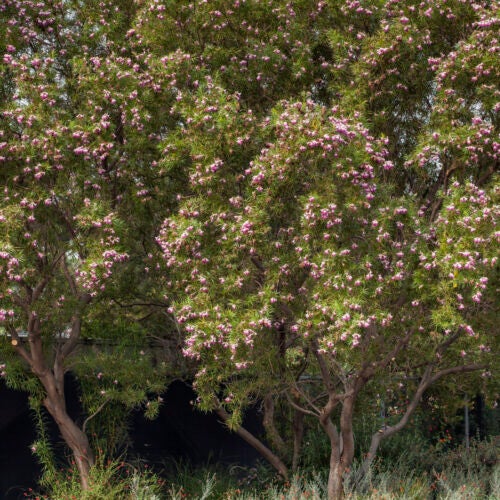
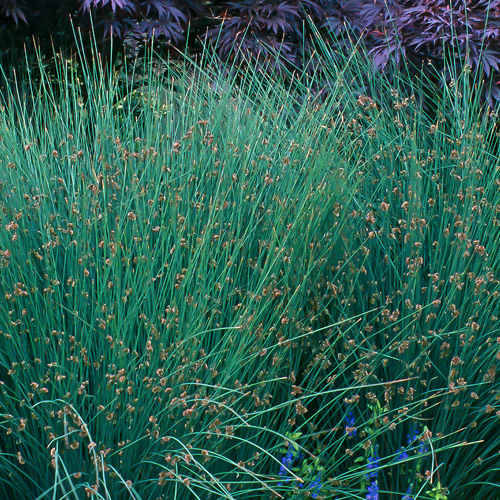
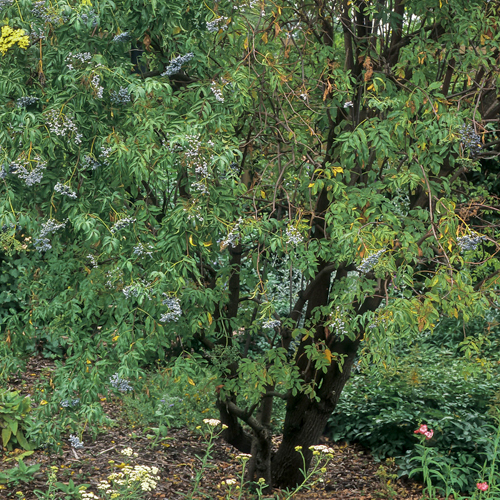
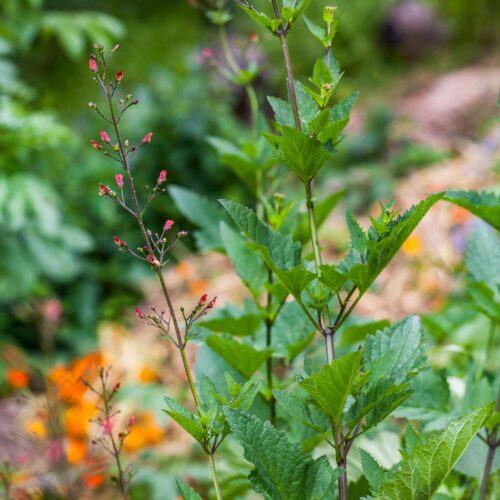
Favorite Plants
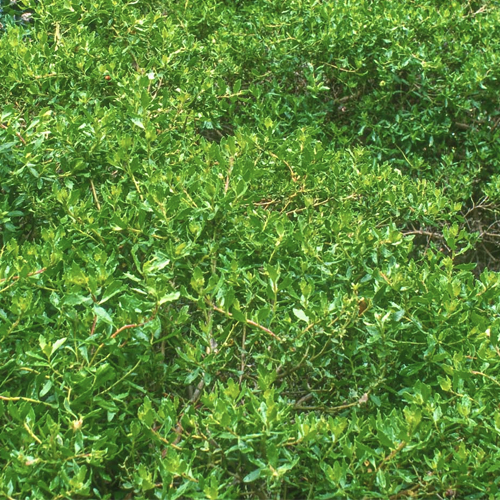
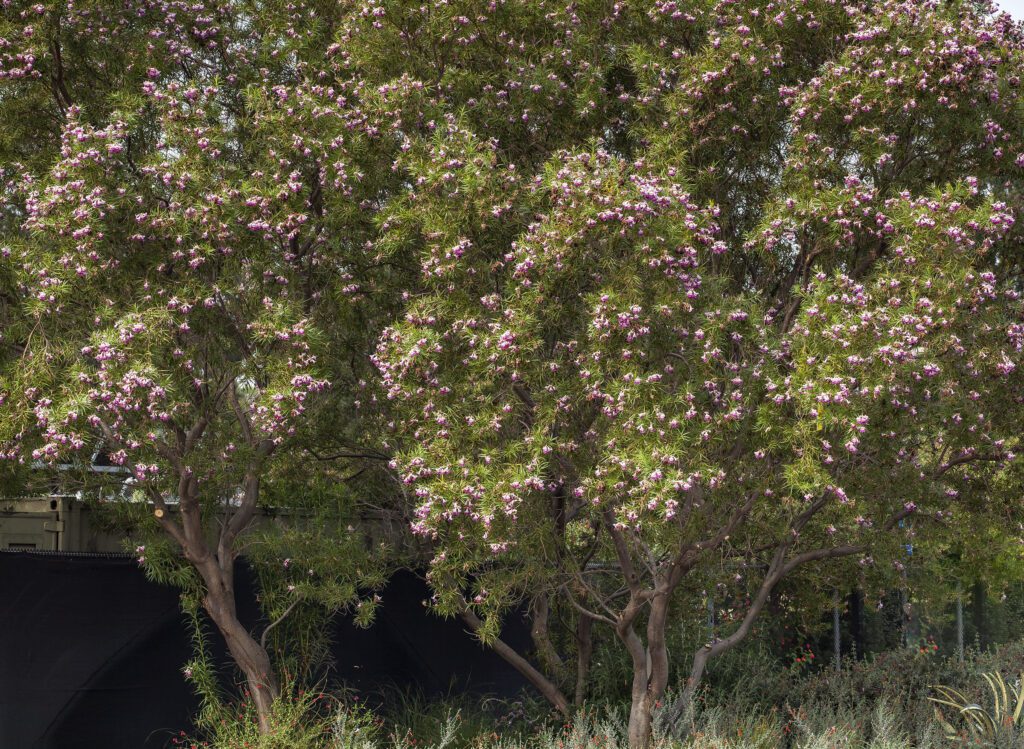
Desert Willow
Chilopsis linearis
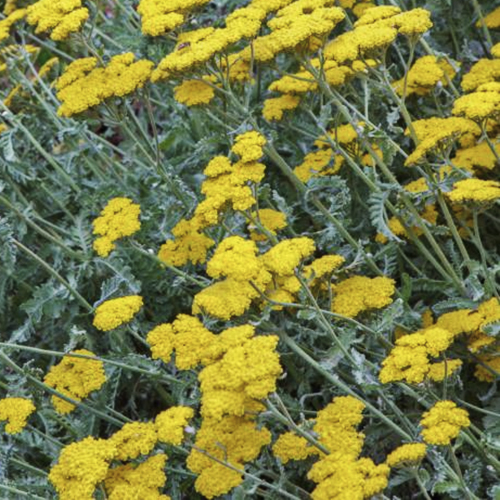
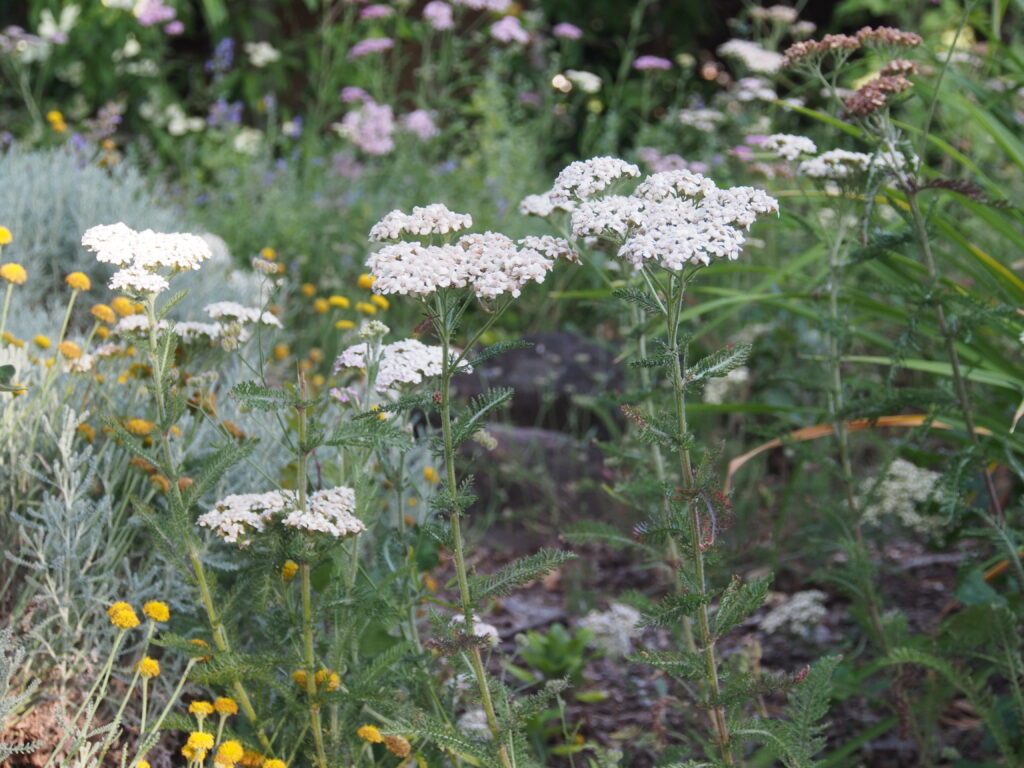
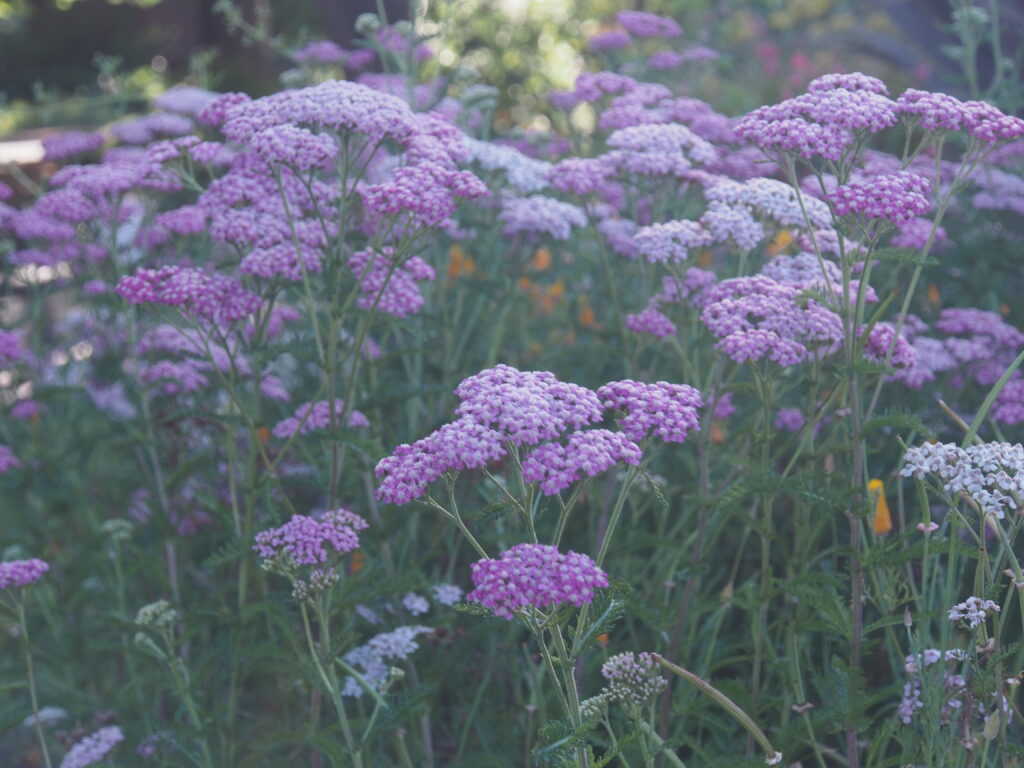
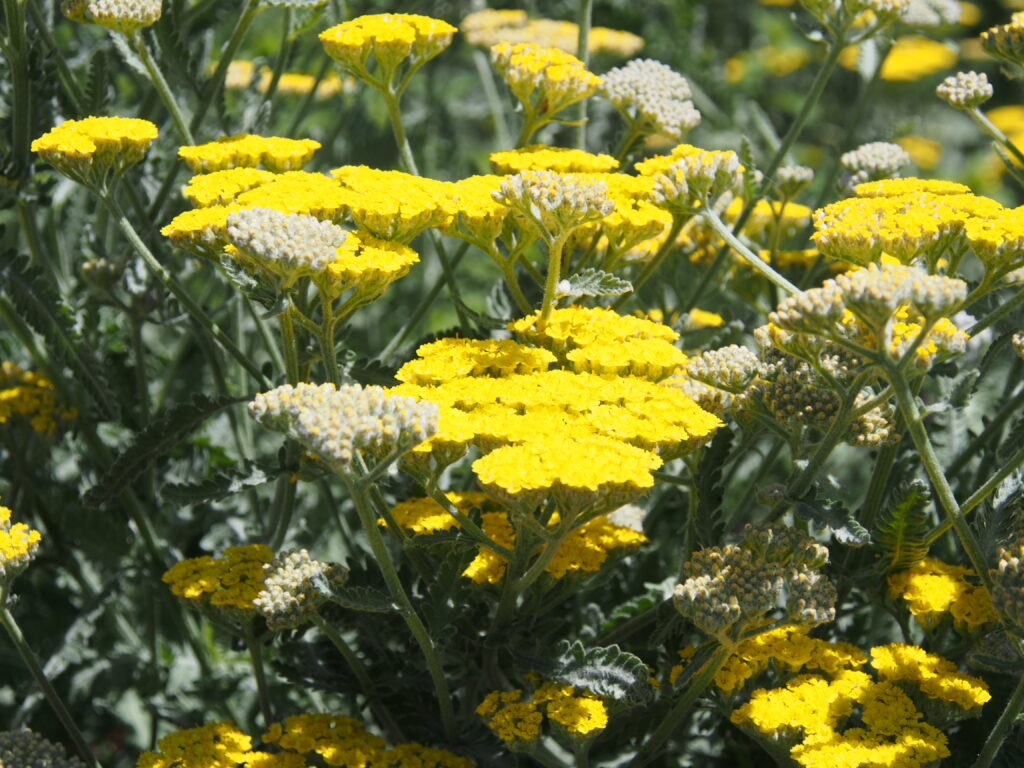
Yarrow
Achillea millefolium
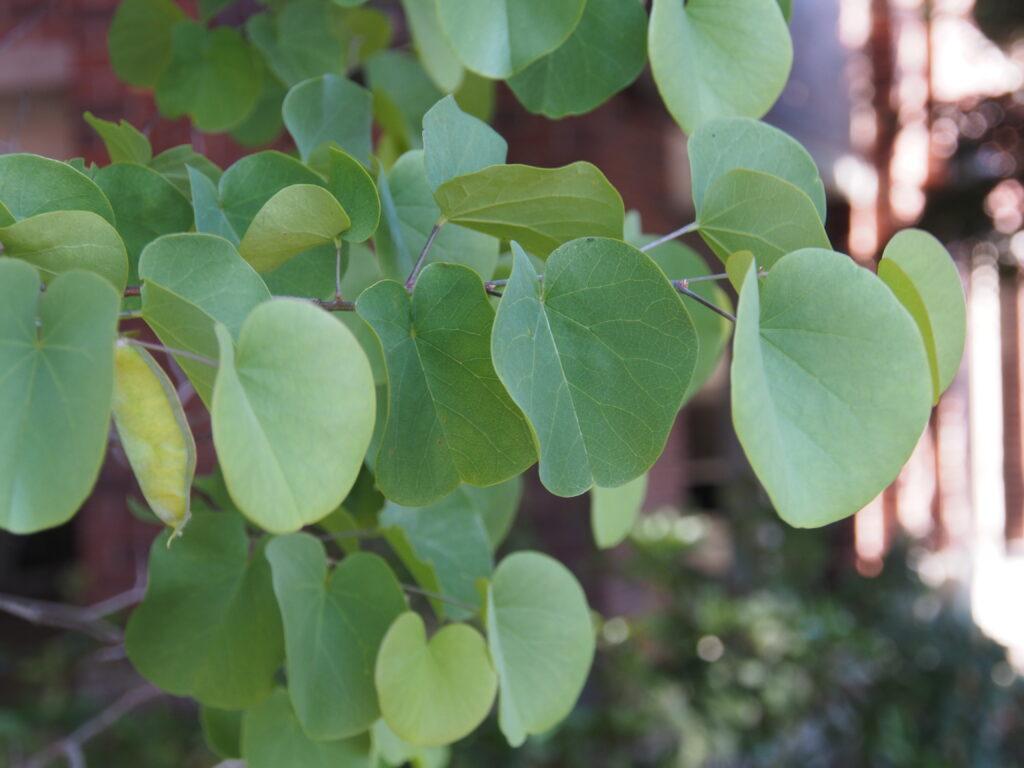
Coulter's Matilija Poppy
Romneya coulteri
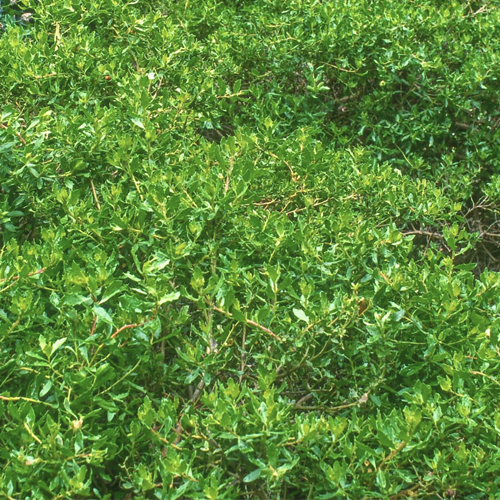
Sagebrush
Artemisia spp.
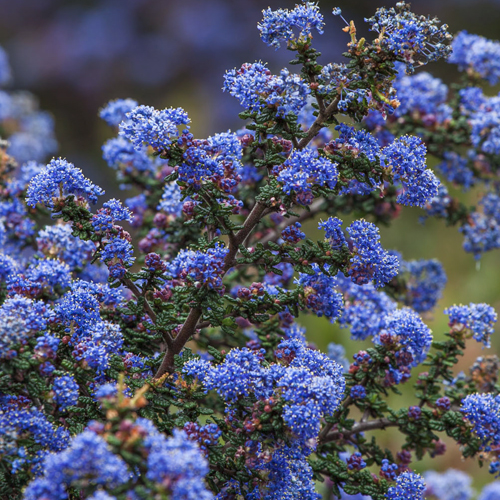
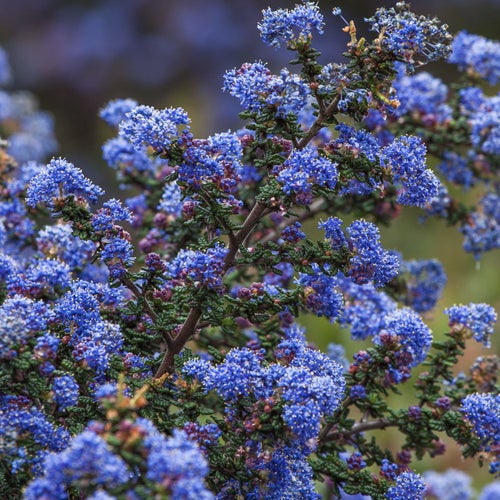
California lilac
Ceanothus
Favorite Garden Suppliers
Urban Tree Farm
3010 Fulton Road Fulton
Cal Flora Nursery
2990 Somers Street Fulton
Recommended Resources
Calscape
Calscape offers a database of plants native to California, along with details on their characteristics and habitat requirements. Additionally, it aims to promote the use of native plants in landscaping to support biodiversity and to conserve water.Gardening Tips
Water Properly
Proper watering is key. Deep infrequent watering is better than shallow daily watering if you want your plants to become drought tolerant.