Habitat Refuge
BACK TO FULL TOUR
Garden Features
Drought Tolerant
California Natives
Drip Irrigation
Pesticide Free
Rainwater Harvesting System
Rain Garden
Reclaimed/Recycled Materials
Lawn-Free Landscaping
Partner: California Native Plant Society - Milo Baker Chapter
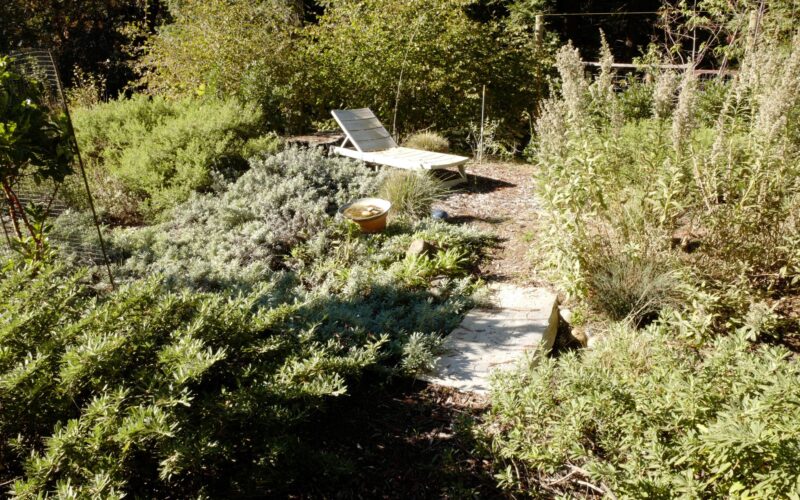
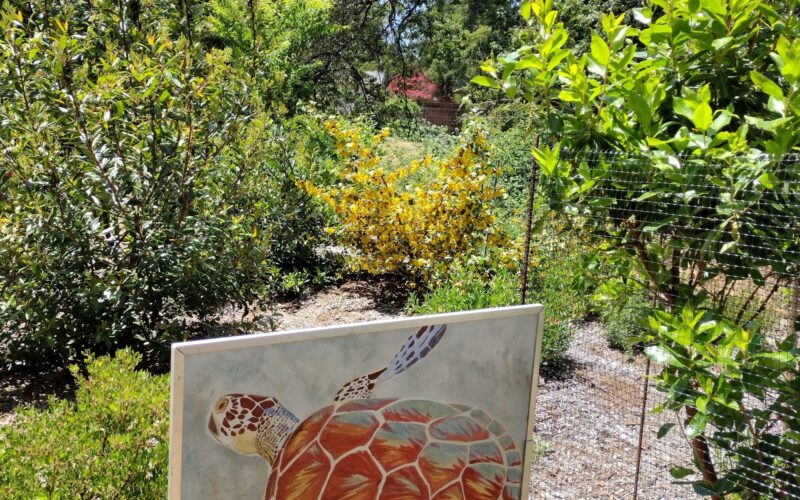
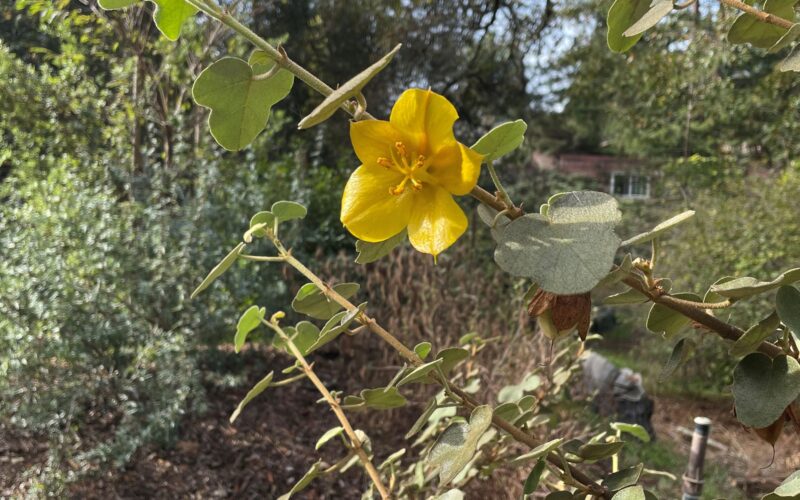
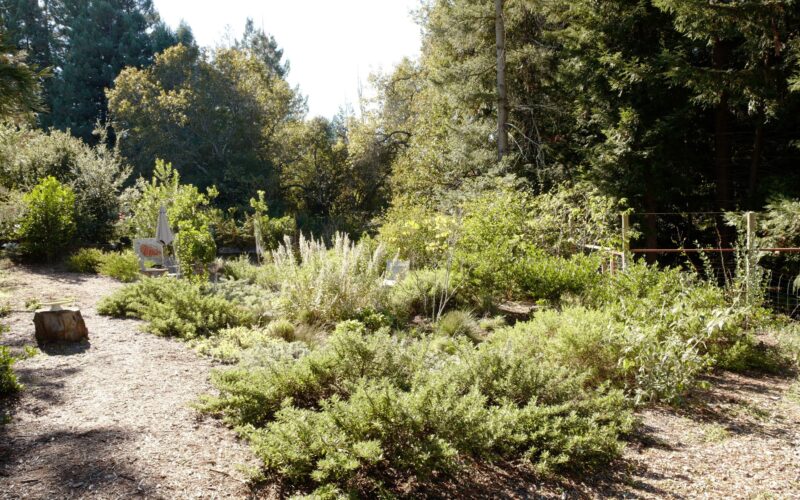
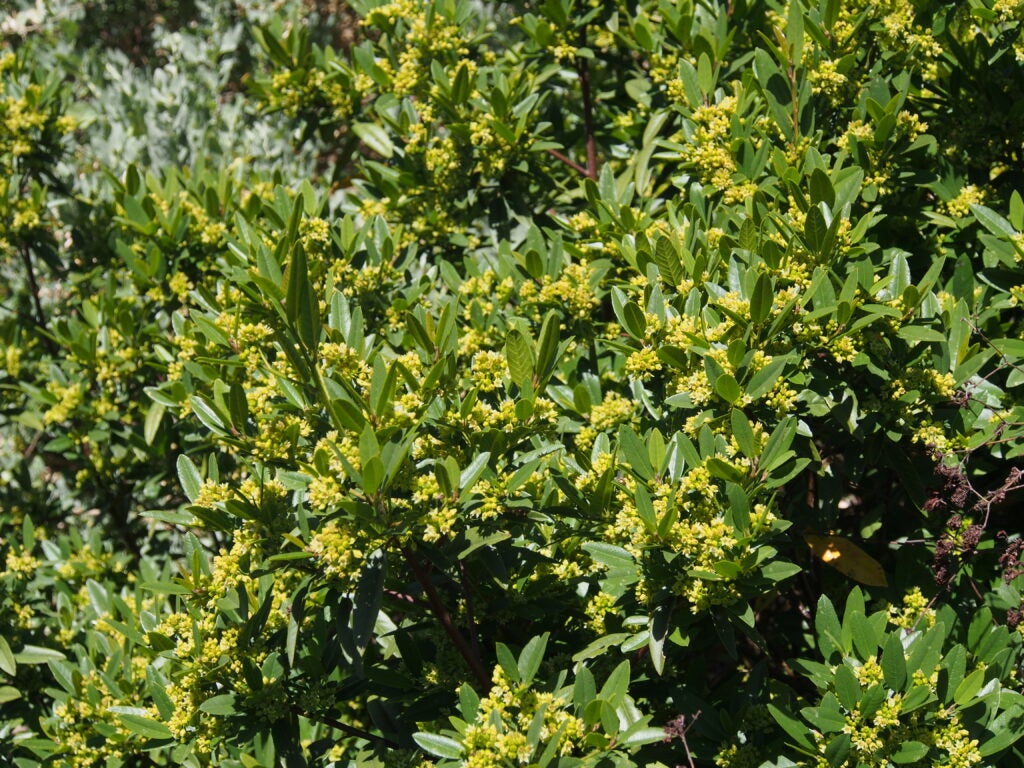
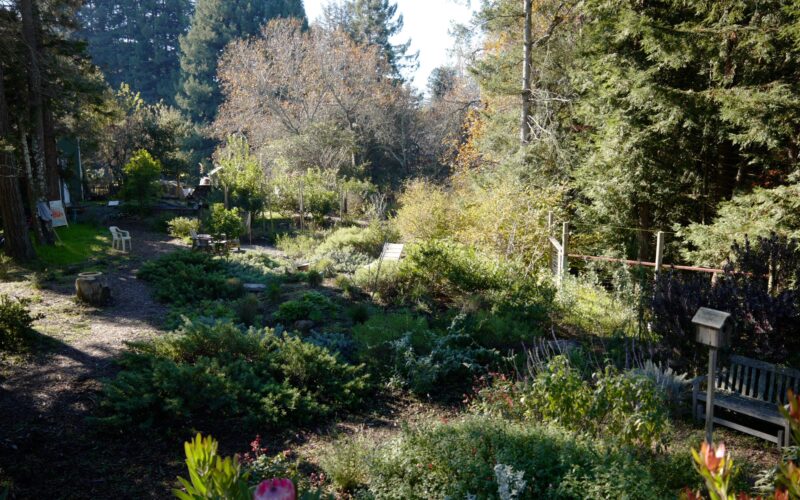
Creating a habitat garden is a rewarding endeavor, one that invites a symphony of life into your outdoor sanctuary. In this garden, carefully curated California native plants take center stage, offering a buffet of sustenance and refuge for a diverse array of winged visitors.
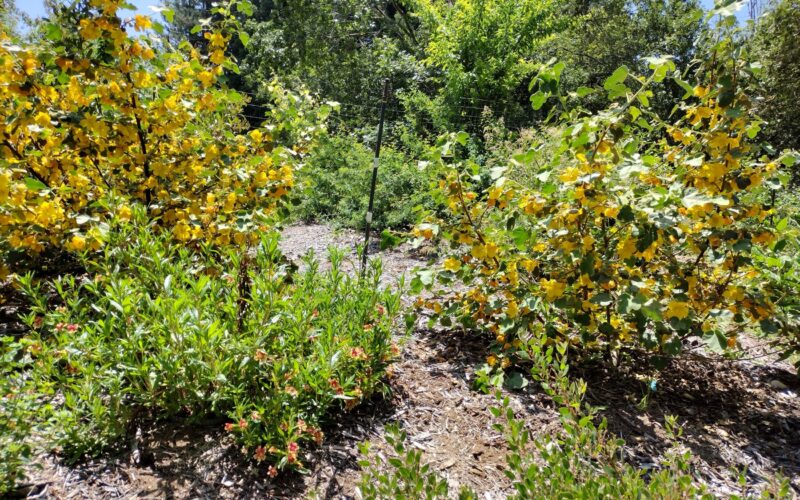
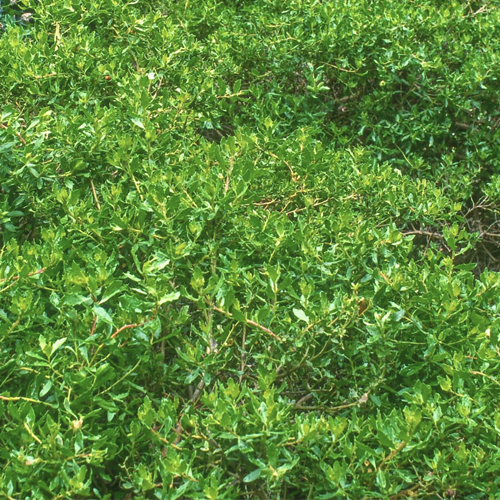
Over the span of three years, the garden has blossomed into a verdant tapestry, with established shrubs providing a lush foundation and ample cover for the avian inhabitants. These shrubs not only enhance the garden’s beauty but also serve as essential havens for nesting and shelter.
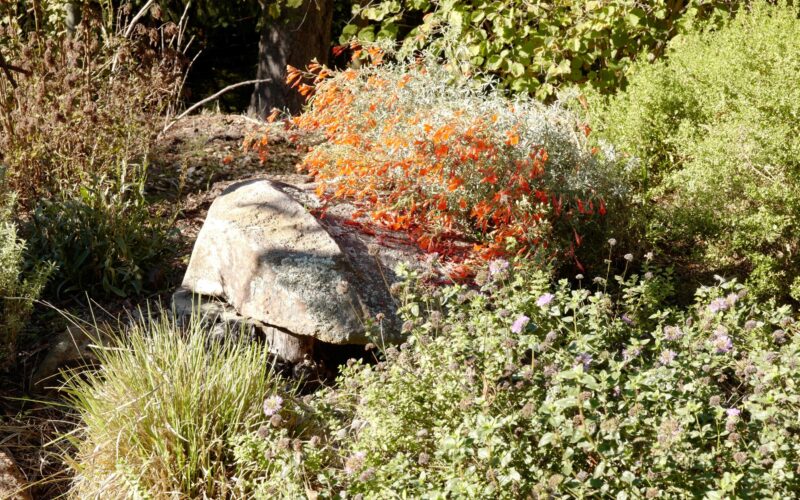
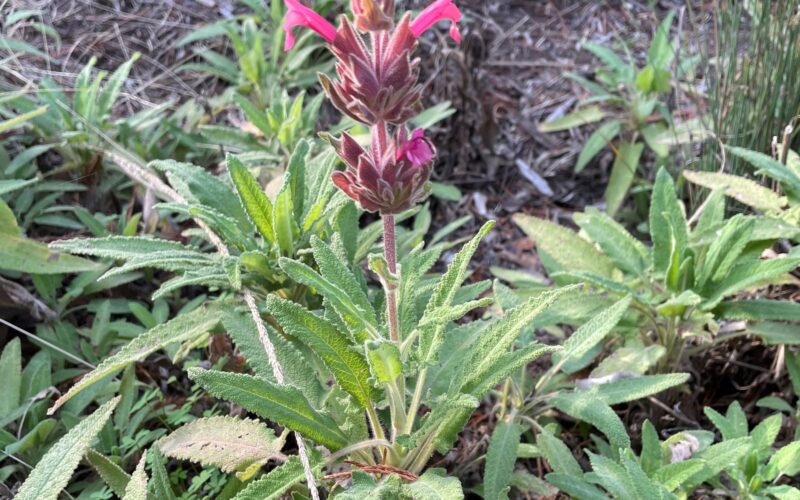
But the true stars of the show are the perennials, which beckon pollinators with their vibrant blooms and sweet nectar. Bees buzz lazily from flower to flower, while butterflies flit and dance in the dappled sunlight. It’s a spectacle of nature’s splendor, a living canvas painted with the hues of native flora.
Water, too, plays a vital role in this ecological oasis. Collected in a dry creek feature, it provides a lifeline for thirsty creatures, while passive water bowls scattered throughout the landscape offer respite and refreshment.
Amidst this natural tableau, inviting spaces beckon visitors to pause and linger. Patio areas invite relaxation, while a bridge crafted from reclaimed wood invites exploration. Wood chip pathways wind through the garden, inviting discovery at every turn.
As you bask in the serenity of this West County native garden, you’ll feel a deep sense of connection to the land—a sense of place rooted in the use of plants indigenous to the region. It’s a reminder that by cultivating native habitats, we not only nurture biodiversity but also cultivate a deeper understanding and appreciation of our local ecosystems. So come, experience the magic of this garden, and marvel at the harmony of nature unfolding before your eyes.
Pollinate Collective by April Owens Design designed, constructed and maintains this garden.
Special Events
Plants in this Garden
-
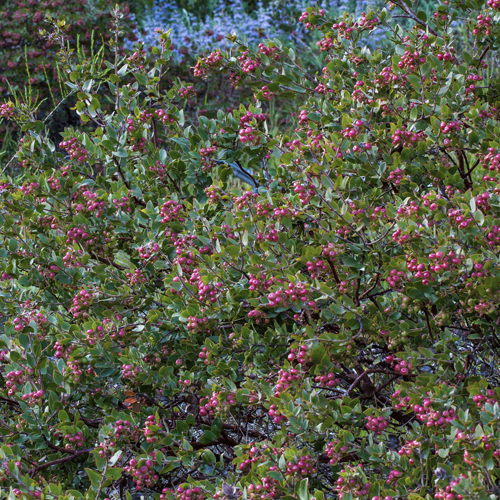
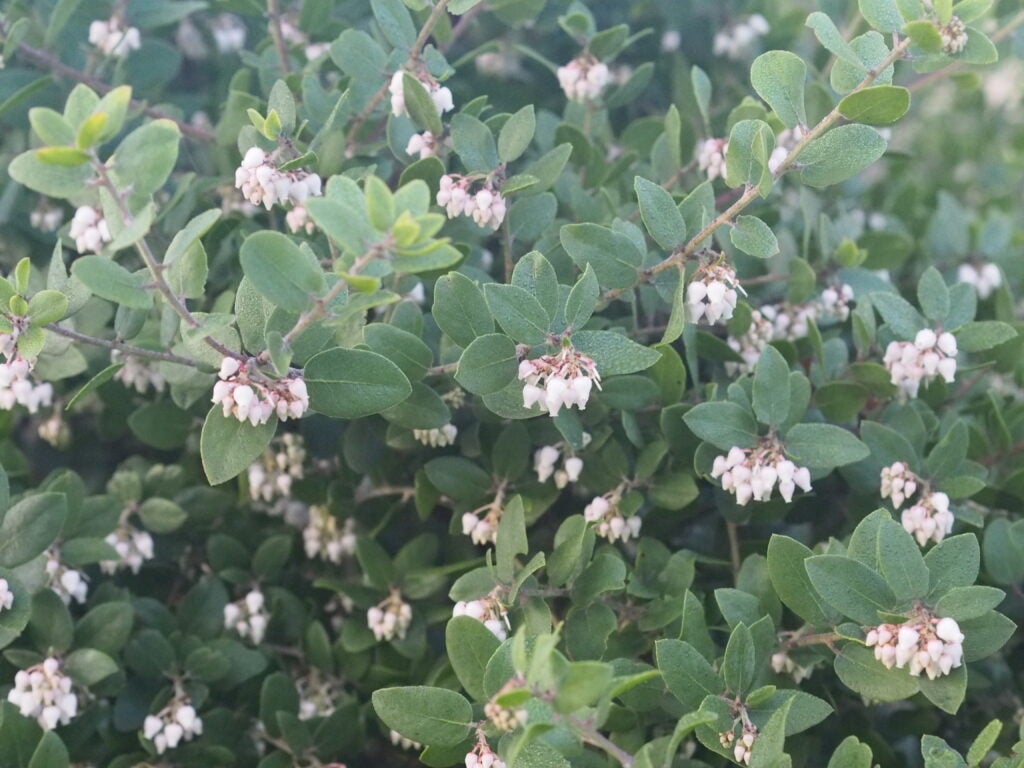
Arctostaphylos spp & cvs Manzanita, 'Dr. Hurd'
-
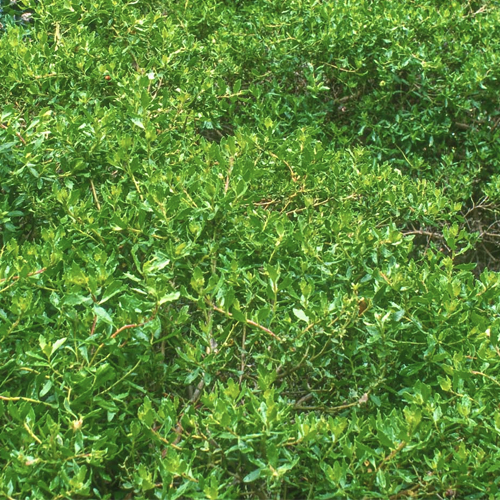
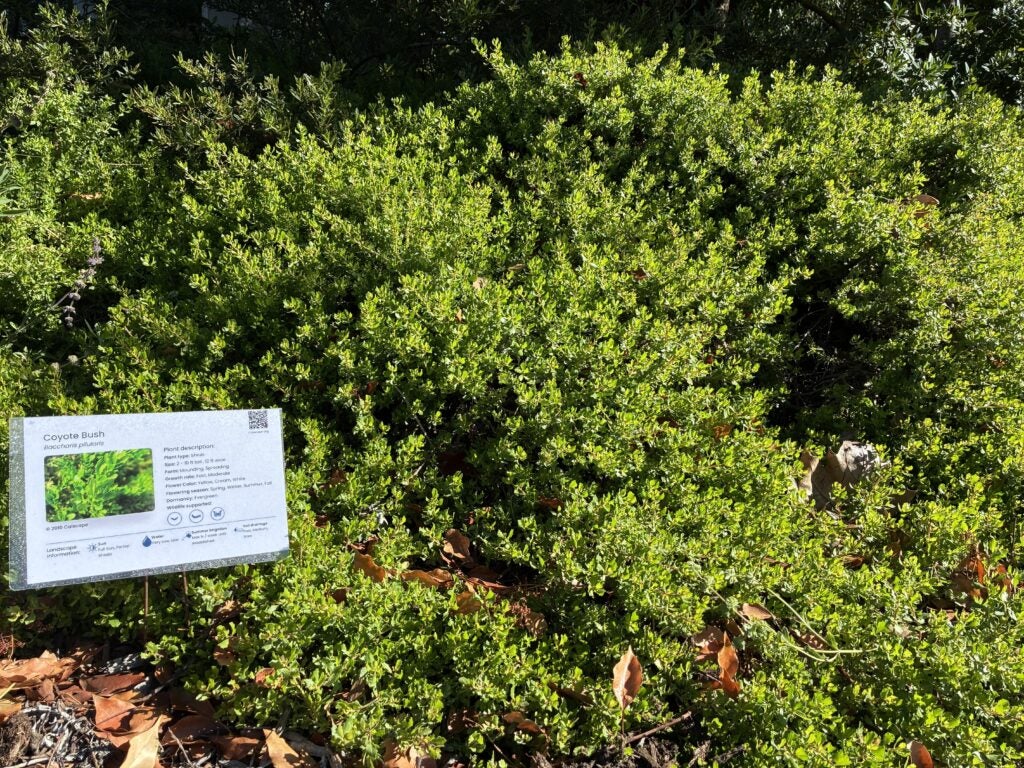
Baccharis pilularis & cvs Dwarf Coyote Bush
-
Ceanothus spp & cvs Ceanothus
-
Festuca spp Fescue
-
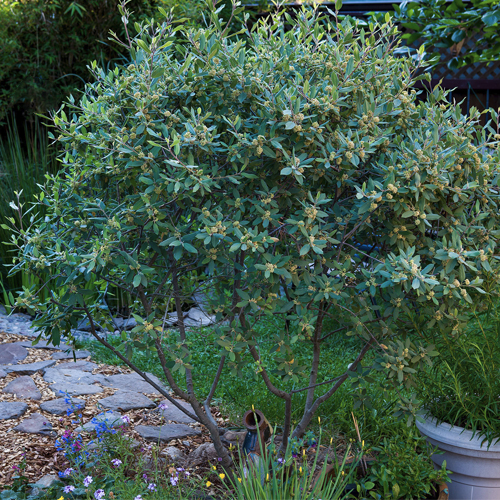
Heteromeles arbutifolia Toyon
-
Iris douglasiana & cvs Douglas Iris, Pacific Coast Hybrids
-
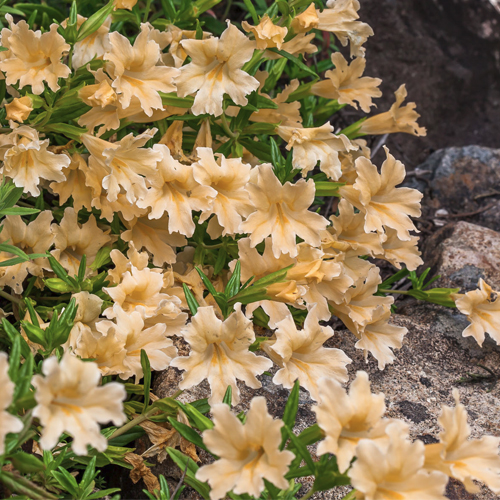
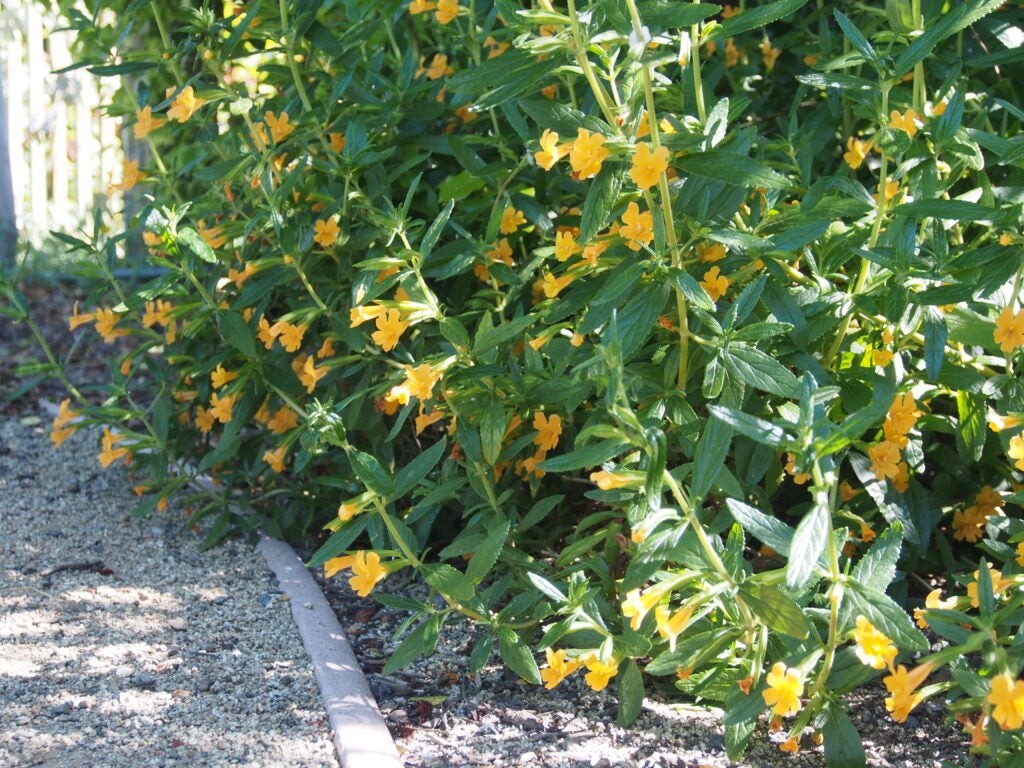
Mimulus aurantiacus and hybrids Sticky Monkey Flower
-
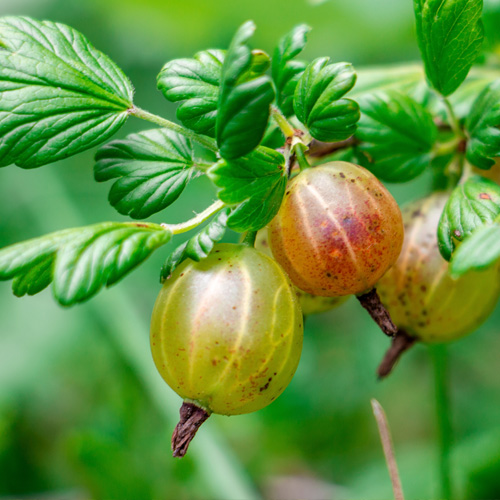
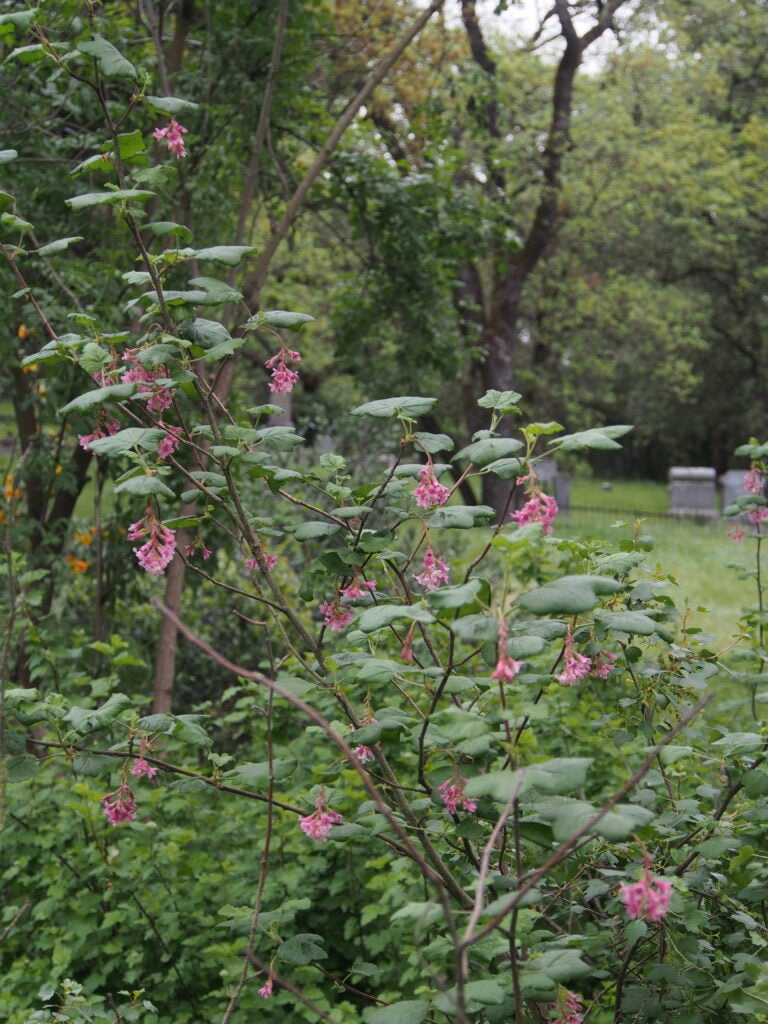
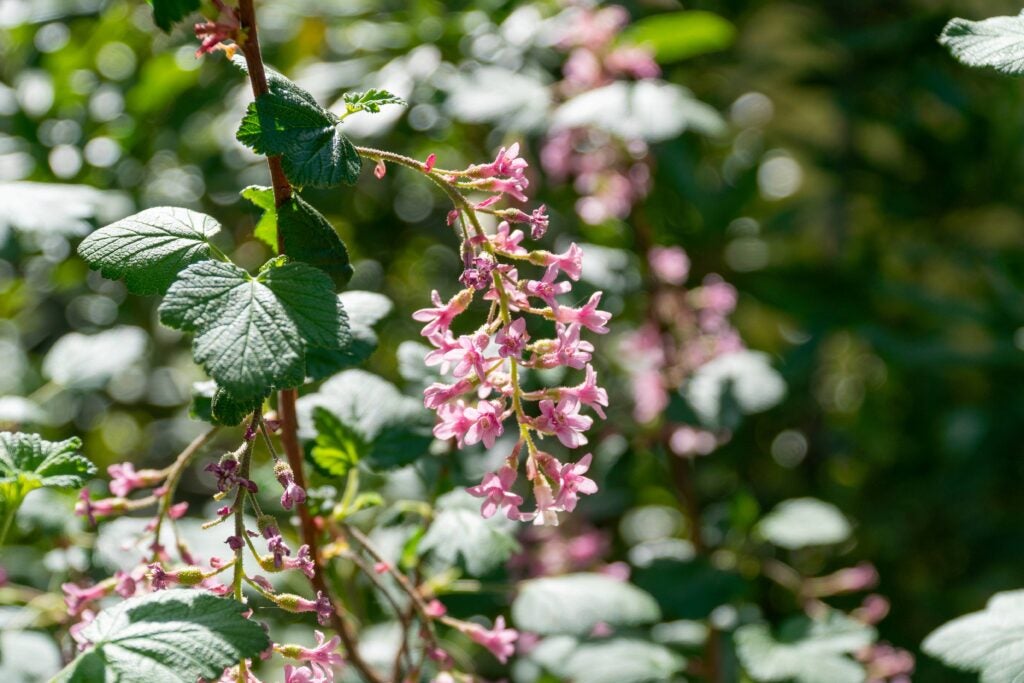
Ribes spp Currant, Gooseberry
-
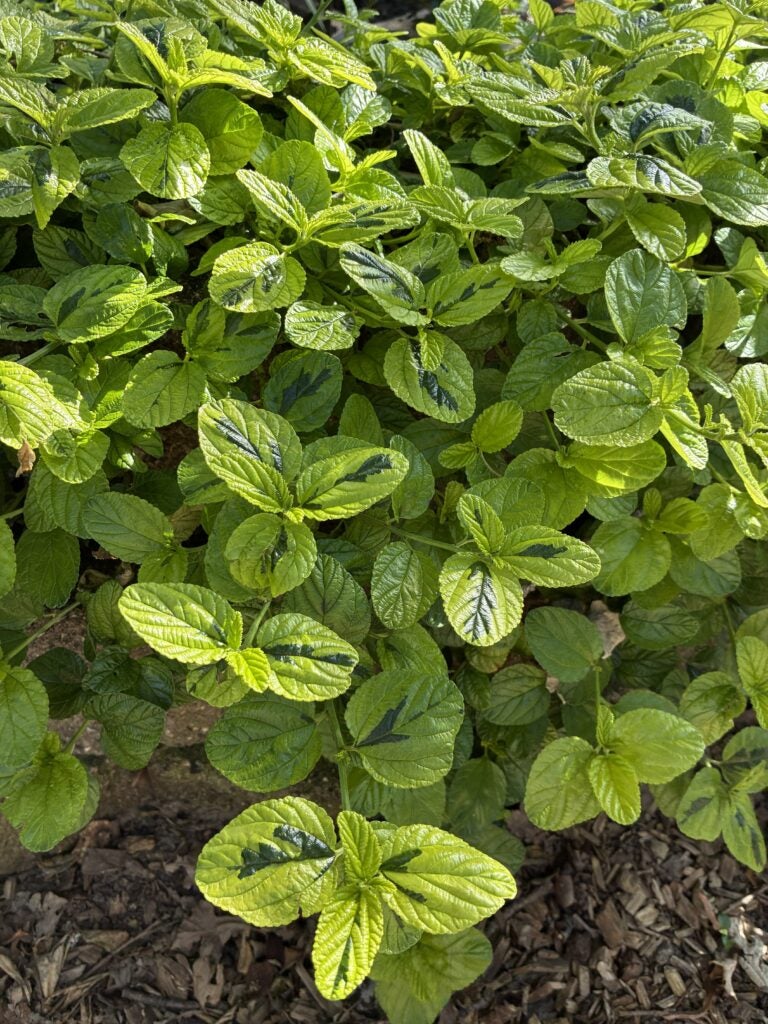
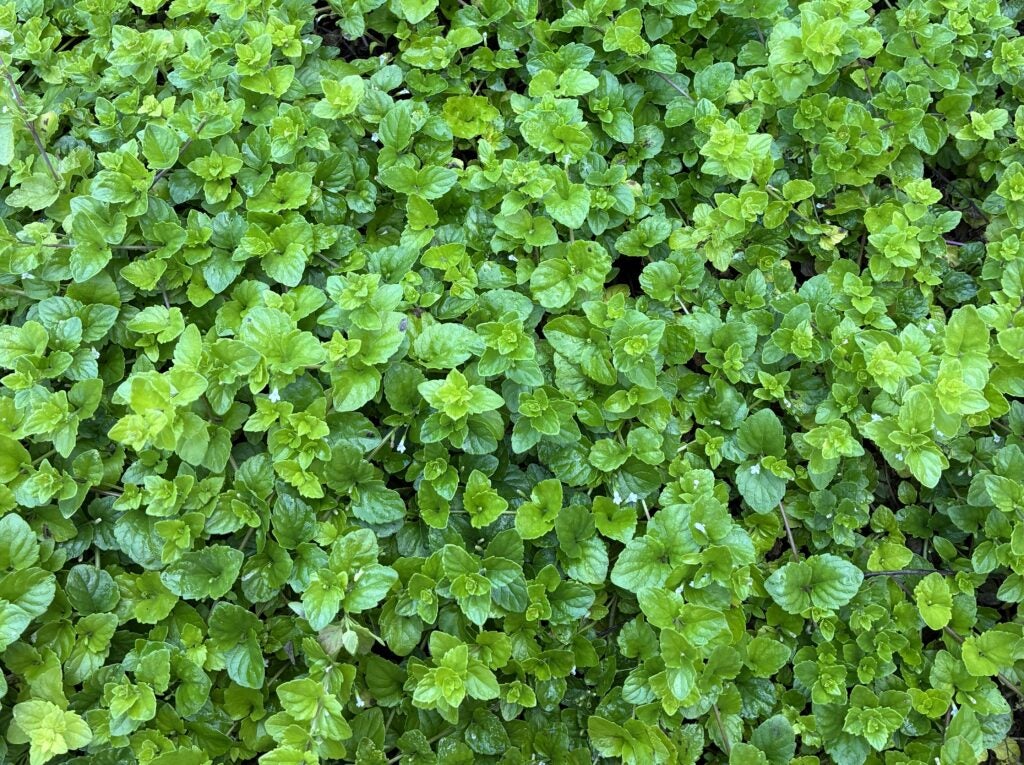
Satureja [Clinopodium] douglasii Yerba Buena
-
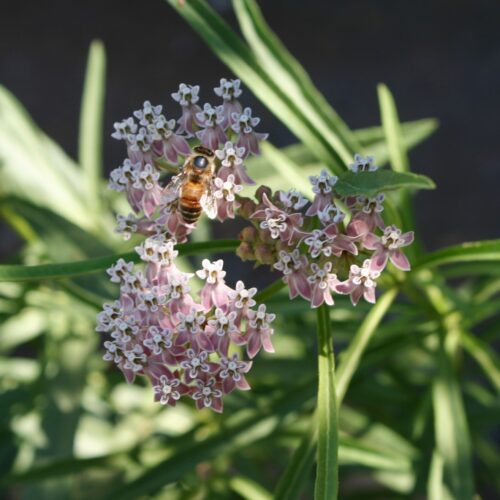
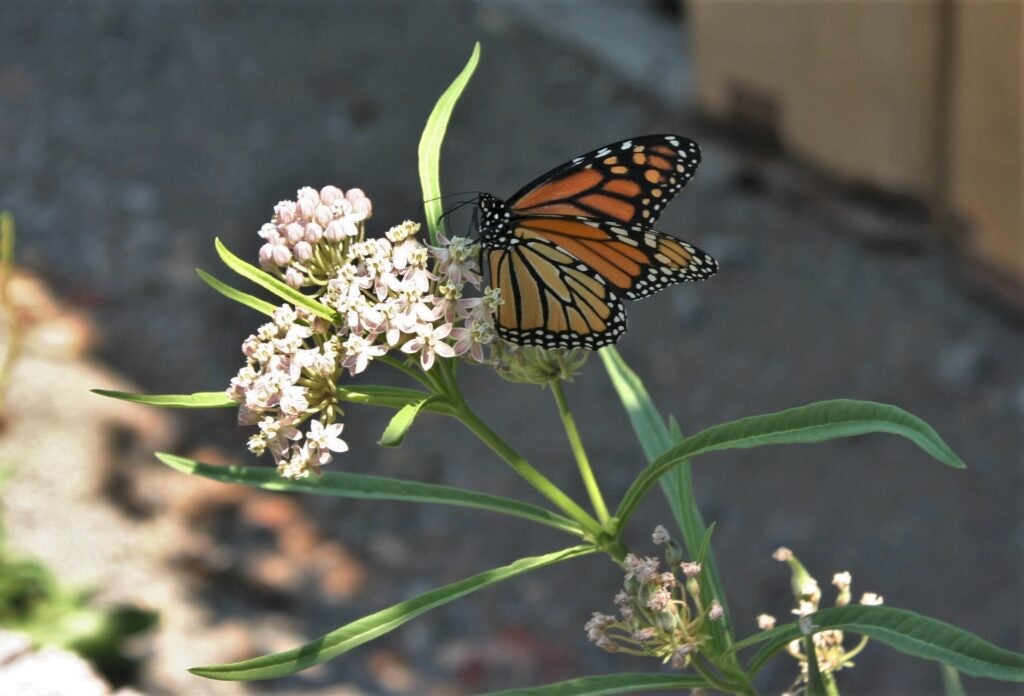
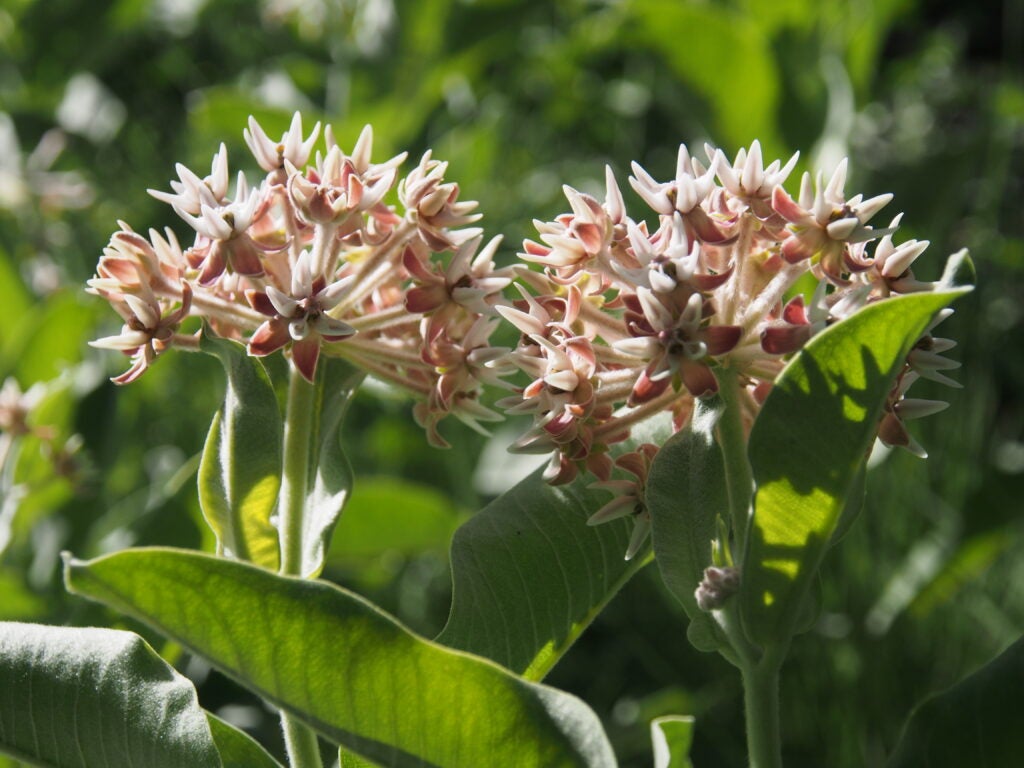
Asclepias spp Milkweed
-
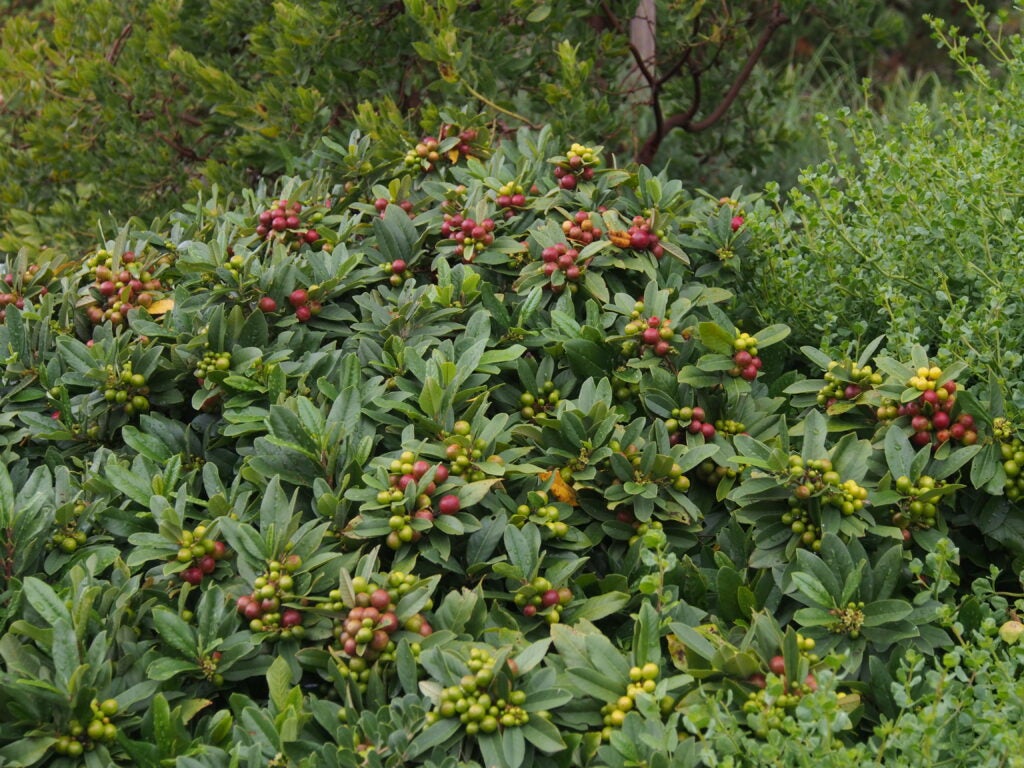
Rhamnus [Frangula] californica Coffeeberry
-
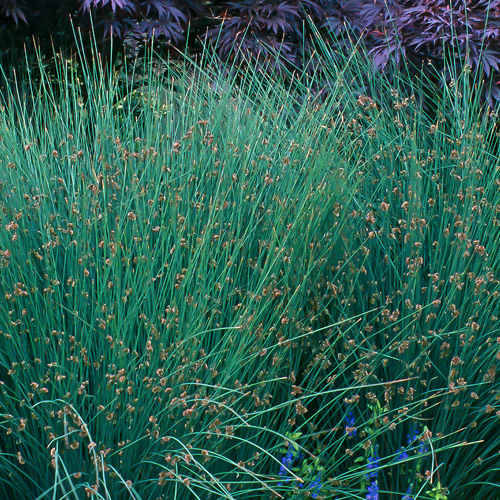
Juncus patens California Grey Rush
-
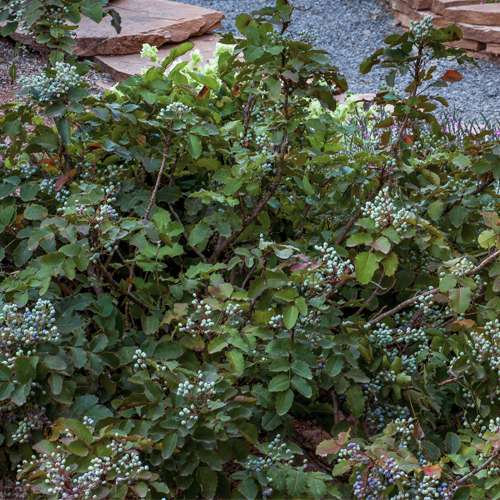
Mahonia [Berberis] spp Oregon Grape, Berberry
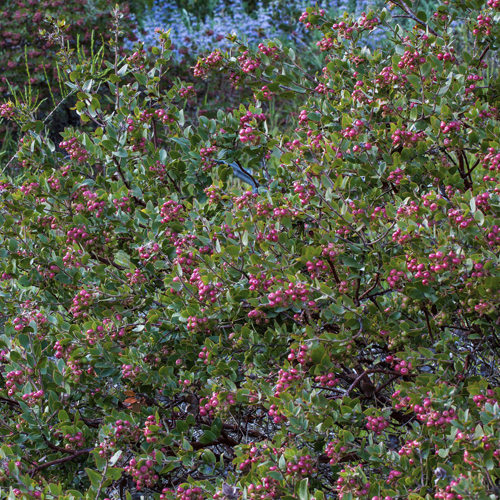
Manzanitas vary from carpet-forming groundcovers to small trees. Manzanitas have varying shades of striking, reddish brown bark and can provide structure to a garden. These plants have evergreen foliage, small white-to-pink, urn-shaped blossoms in late winter to early spring, and then small fruits that resemble tiny apples.
Groundcovers: A. ‘Emerald Carpet’ (1’ x 3-6’), A. ‘Pacific Mist’ (2-3’ x 6-8’), A. nummularia ‘Bear Belly’ (1’ x 3’), A. uva ursi ‘Radiant’ (6” x 4-6’), A. uva ursi ‘Wood’s Compct’ (1’ x 3’).
Shrubs: A. ‘Howard McMinn’ (5-7’ x 6-10’), A. ‘John Dourly’ (3-4’ x 5-6’), A. ‘Lester Rowntree’ (8-10’ x 10-15’), A. ‘Sunset‘ (5-7’), A. bakeri ‘Louis Edmunds’ (8-10’), A. manzanita ‘Sentinel’ (6-8’ x 5’), A. hookeri ‘Wayside’ (3′ x 8′).
Trees: A. manzanita ‘Dr. Hurd’ (10-15′)
- Water: Very LowLow
- Light: Full SunPartial Shade
- Soil: Well Drained
Flowers are inconspicuous but provide a source of pollen, nectar, and seeds for wildlife. Shrubby varieties can be cut back to maintain a more tidy and compact appearance. Perennial varieties can be divided in fall or early spring. Excellent choice as support for more showy plants in the garden.
- Water: Low
- Light: Full Sun
- Soil: Most Soils
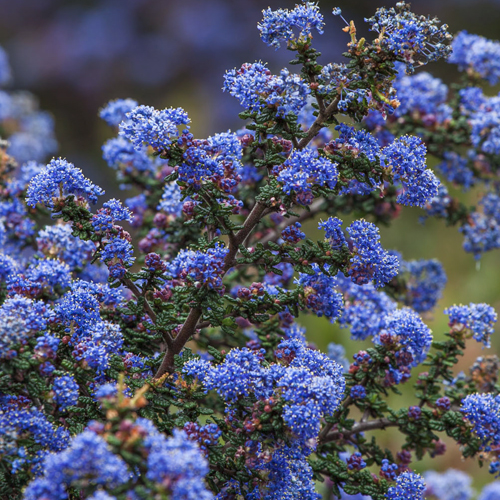
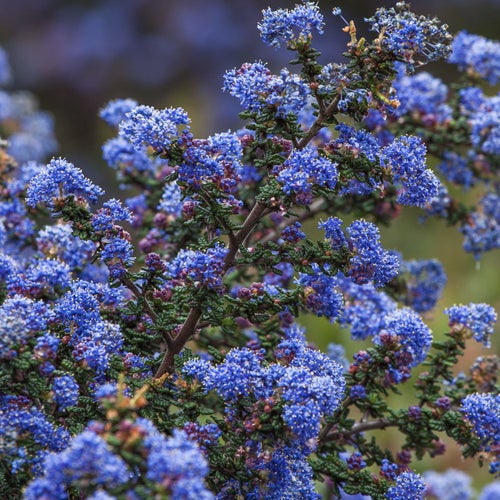
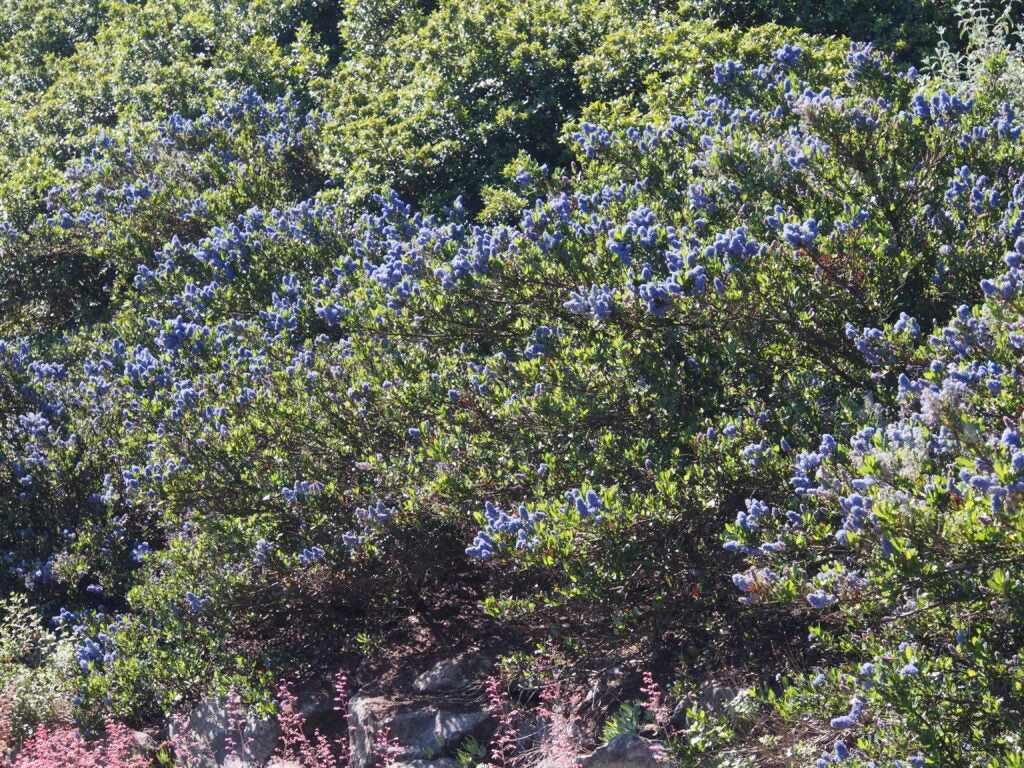
Ceanothus is a group of fast-growing, evergreen shrubs that vary from groundcovers to small trees, many of which are native to California. They provide a spectacular display of flowers in spring that will attract a multitude of pollinators. Flowers are followed by seeds that provide food for birds. The clusters of tiny flowers range from white to deep violet. Plants perform best with good drainage and minimal irrigation once established. Some do best in cooler coastal climates, but many thrive in hotter inland climates. Pay close attention to the mature size when selecting ceanothus to ensure that it has sufficient space for its natural form.
Groundcovers: C. ‘Centennial’ (1’ x 8’), C. gloriosus var. gloriosus ‘Anchor Bay’ (2’ x 8’), C. griseus var. horizontalis ‘Diamond Heights’ (variegated, 1’ x 4’), C. griseus var. horizontalis ‘Yankee Point’ (3’ x 12’), C. maritimus (2’ x 6’).
Shrubs: C. ‘Blue Jeans’ (6’ x 6’), C. Concha (6’ x 6’), C. ‘Dark Star’ (6’ x 8’), C. ‘Joyce Coulter’ (4’ x 12’), C. ‘Julia Phelps’ (8’ x 10’), C. cuneatus (8’ x 8’), C. thyrsiflorus ‘Skylark’ (4’ x 6’).
Large shrubs: C. ‘Frosty Blue’ (10’ x 12’), C. thyrsiflorus (20’ x 20’), C. t. ‘Snow Flurry’ (white flower, 20’ x 20’).
Trees: C. ‘Ray Hartman’ (15′ x 15′)
- Water: Very LowLow
- Light: Full SunPartial Shade
- Soil: Well Drained
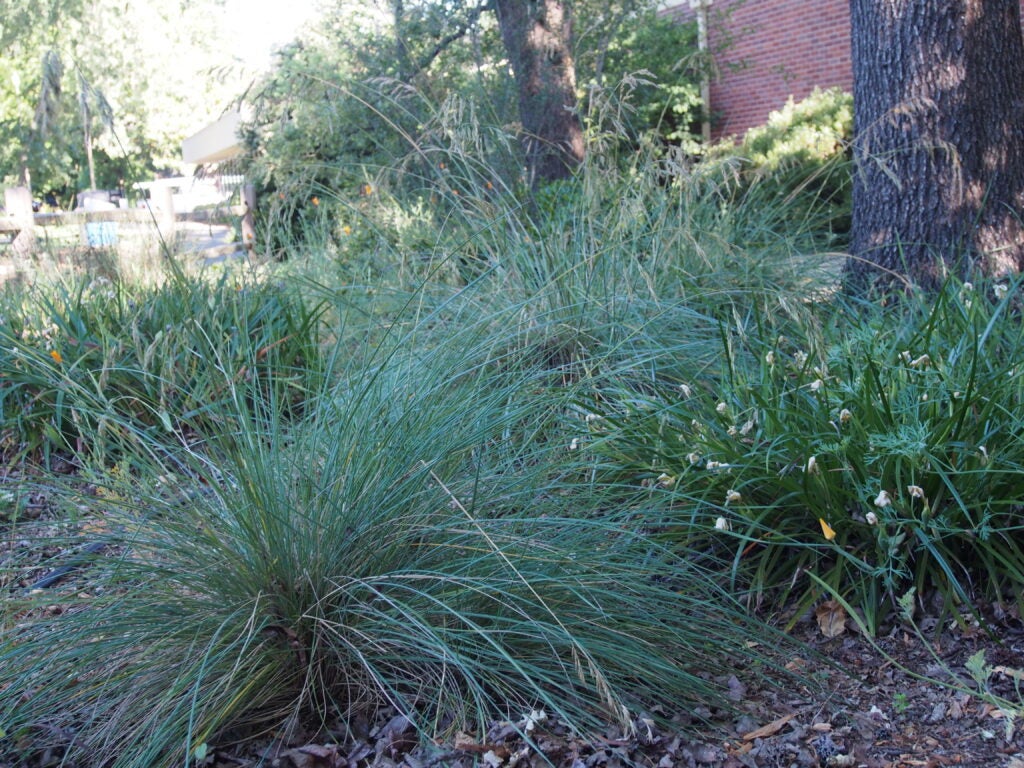
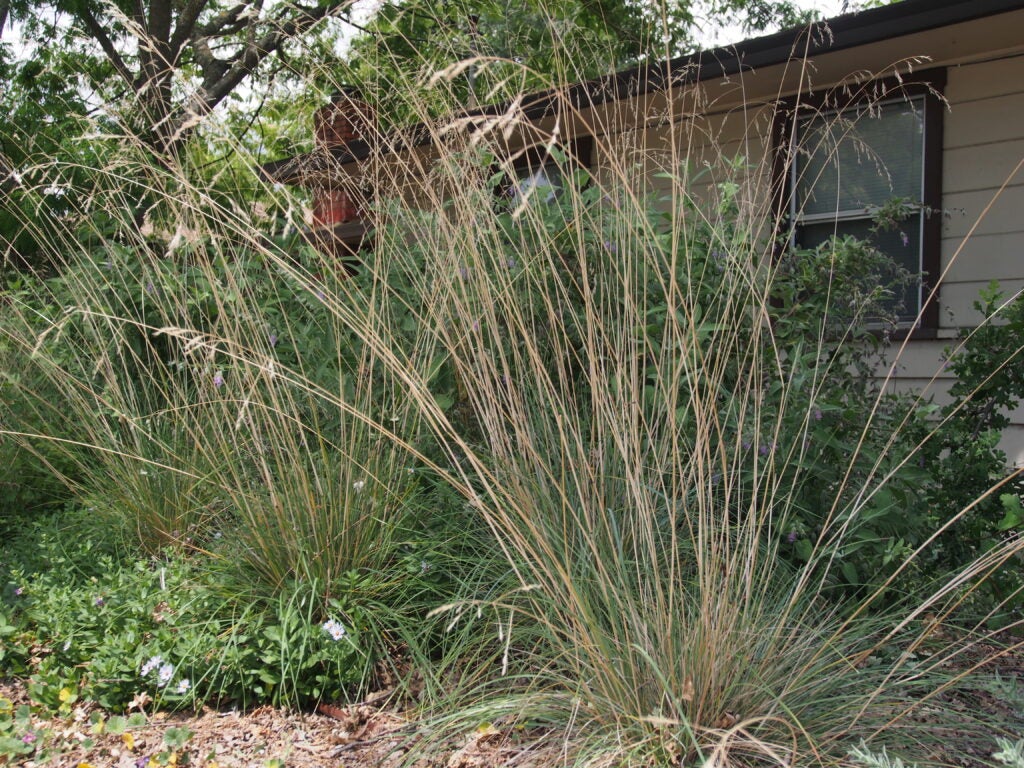
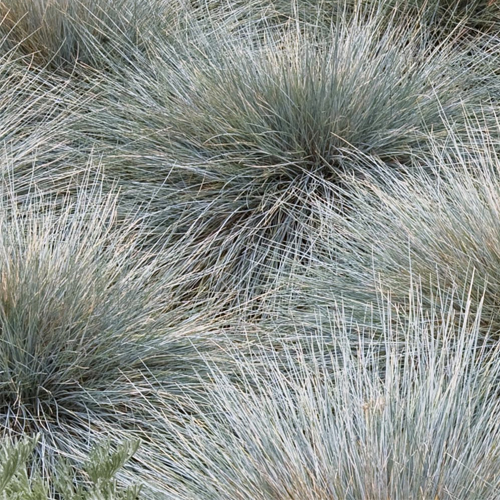
Large group of mostly cool-season, perennial, bunching or spreading grasses. Bunch grass varieties can be used as a no-mow lawn replacement, help to stabilize slopes, and have ornamental value. Festuca californica (California fescue, 1-2’ wide x 2’) prefers part shade and works wonderfully massed under the dry shade of native oaks. Festuca glauca (blue fescue, 1’ x 1’) is a small, clumping grass with bluish gray-green leaves. Festuca idahoenis (Idaho fescue, 1-2’ wide x 1’) also has bluish gray-green leaves and is more drought-tolerant and longer lived than blue fescue. Festuca rubra (red fescue) grows from rhizomes and has long, fine-textured leaves that lay over to form a pleasing drift effect as a no-mow lawn.
- Water: Very LowLow
- Light: Full SunPartial Shade
- Soil: Well Drained
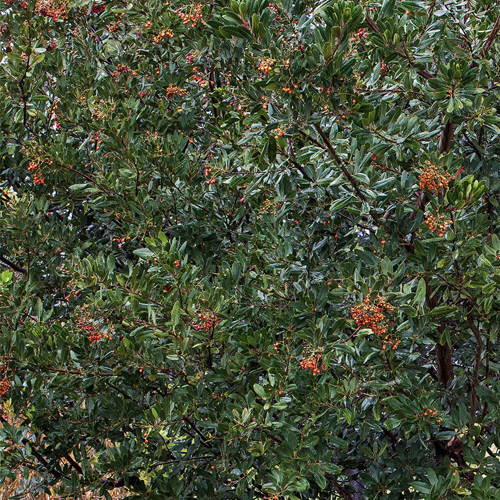
California native, evergreen shrub or small tree often seen growing in Sonoma and Marin county wildlands. Lacy, white flower clusters in spring attract pollinators; red berries in winter provide a splash of color and an important food source for birds. The name “Hollywood” was born from the abundance of toyon in the hills of southern California and its resemblance to European holly. The cultivar ‘Davis Gold’ has yellow berries and may be more disease-resistant than the species.
- Water: Low
- Light: Full SunPartial Shade
- Soil: Well Drained
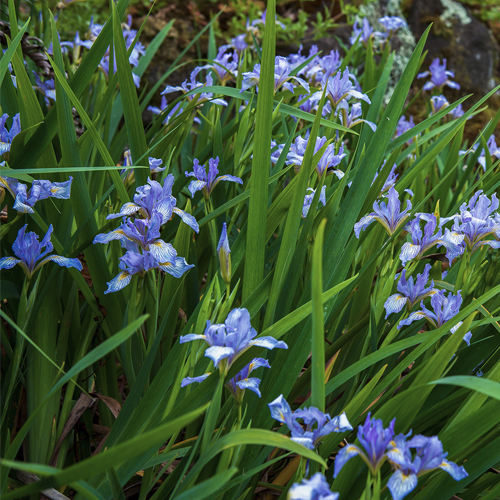
Iris are a large and diverse group of perennials that grow from either bulbs or rhizomes. The California native Douglas iris and cultivars known as Pacific Coast Hybrids are an excellent choice for summer-dry gardens and understory plantings. Fall rain brings new growth in the form of thin, upright leaves, followed in late winter to early spring by the first blossoms. Douglas iris commonly ranges in color from lavender to purple, but cultivars are available in a range of colors including white and yellow. Established plantings can be lifted and divided after the first significant fall rain and either replanted or put into containers to share with others.
- Water: Low
- Light: Partial ShadeShade
- Soil: Most Soils
The orange, tubular flowers of sticky monkey flower can be enjoyed in many locations throughout Sonoma and Marin counties in spring and summer, a testament to how well this plant is adapted to hot and dry conditions. The slightly sticky leaves benefit from light pinching and pruning to maintain an attractive appearance and support for the beautiful flowers. Many hybrids provide color variation. Do not confuse this plant with the red-flowered scarlet monkey flower (Mimulus cardinalis), an herbaceous riparian plant that requires regular water to thrive.
- Water: Very Low
- Light: Full SunPartial Shade
- Soil: Sandy
Currants (without spines) and gooseberries (with spines) are grown for their graceful growth habit, attractive foliage, wonderful displays of pendulous flowers in winter-spring that are attractive to hummingbirds, and colorful fruit that provides a food source for birds. Most of the species listed are deciduous, going dormant in the summer months.
Examples: Some of the species suitable for California gardens, preferably with partial shade, are native to the Western United States:
- aurem, golden currant (5-10’ x 3-6’), deciduous with small clusters of delicate yellow flowers and sprawling habit.
- malvaceum, chaparral currant (4-8’ x 4-6’), deciduous with early clusters of pink flowers, a slightly vase-shaped habit, and more drought-tolerant than most species.
- sanguineum var. glutinosum, pink-flowering currant (5-12’ x 5-12’), deciduous with maple-like leaves, a vase-shaped habit, and long pendulous clusters of pink, reddish, or white flowers in the spring; many available cultivars such as ‘Claremont’, ‘Tranquillon Ridge’, and ‘White Icicle’.
- speciosum, fuchsia-flowered gooseberry (4-8’ x 6-10’), deciduous with spiny, arching stems and bright red fuchsia-like flowers along the stems in the spring that are attractive to hummingbirds.
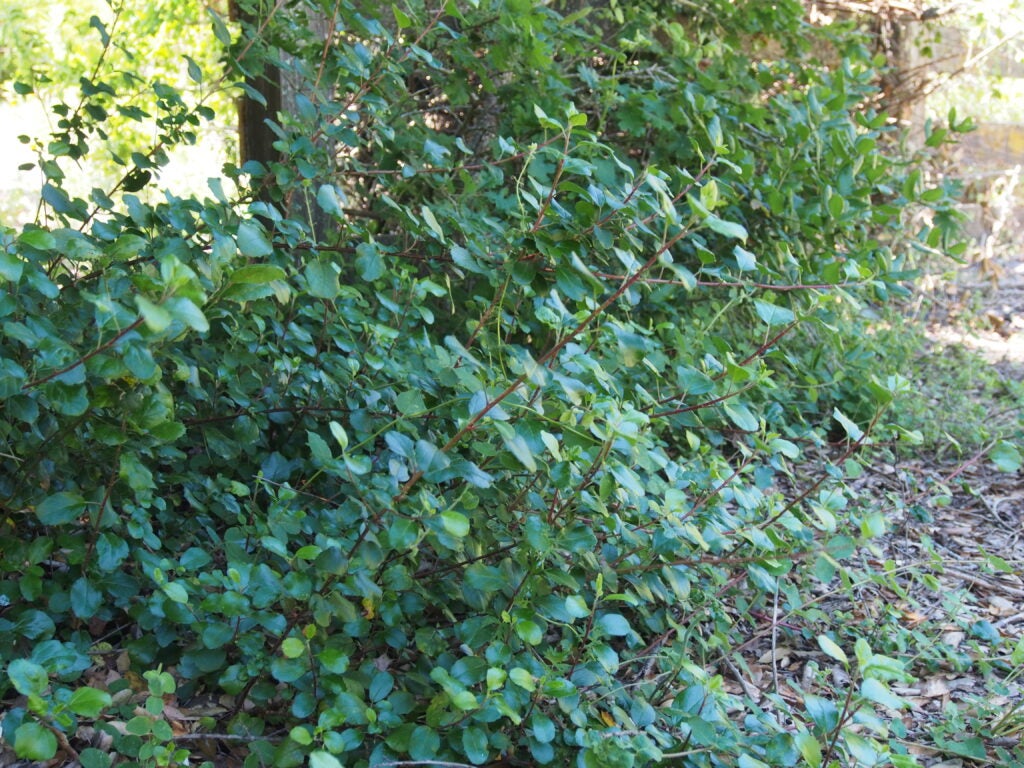
- viburnifolium, evergreen currant or Catalina perfume (2-4’ x 5-7’), evergreen groundcover that works well under oaks and can provide erosion control to slopes.
- Water: Very LowLow
- Light: Full SunPartial ShadeShade
- Soil: Well Drained
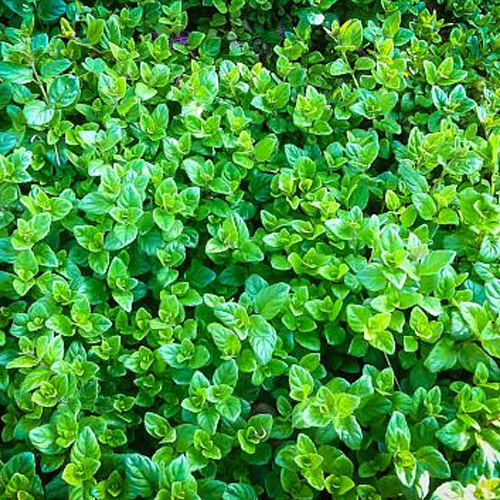
Yerba buena is Spanish for “good herb” due to its medicinal qualities as a tea. This trailing herbaceous perennial has a minty fragrance and is native from British Columbia to Los Angeles County. Prefers a woodland setting with light shade and well-drained soil.
- Water: Low
- Light: Full SunPartial Shade
- Soil: Most Soils
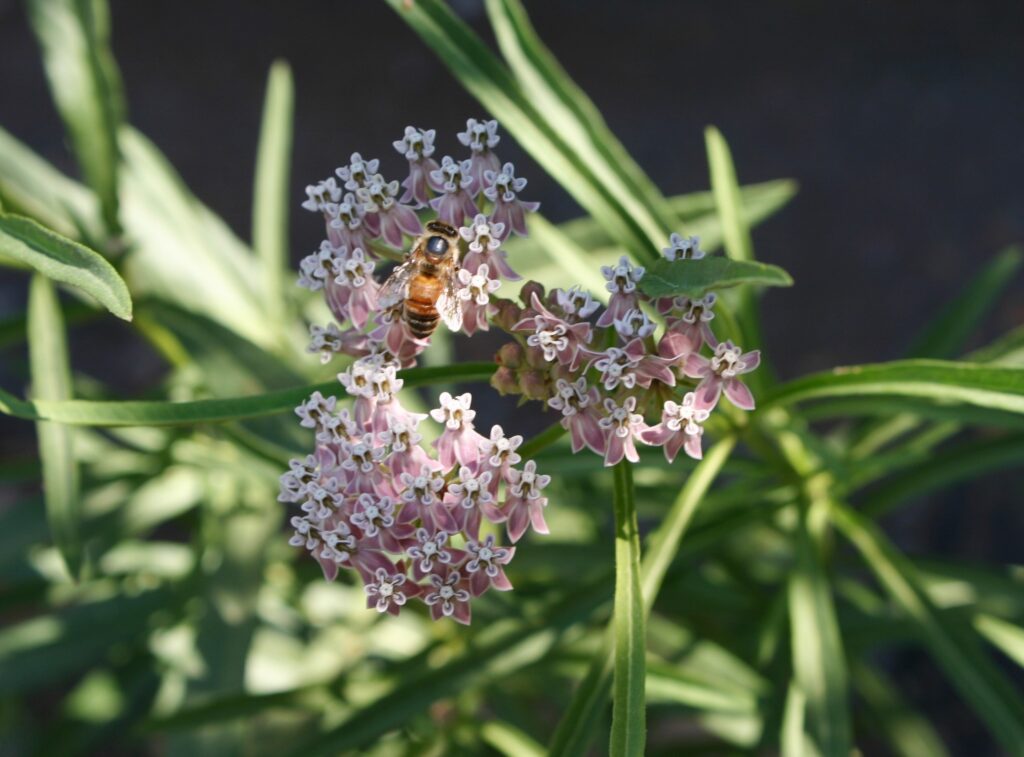
Colony-forming, herbaceous perennials with several species providing important habitat and larval food sources for the monarch butterfly while attracting a diverse array of insects.
California milkweeds remain dormant during the colder months. Stems that emerge in April or May bear clusters of small, star-like flowers in summer followed by silky-tailed seeds that are dispersed by wind. A. fascicularis (narrow-leaved milkweed, 1-3’) is the preferred food source for monarch larvae. A. speciosa (showy milkweed, 2-4’) has larger, soft foliage, showier flower clusters, and is also a food source for monarch larvae. A. cordifolia (heart leaf milkweed, 1-2′) has heart-shaped leaves and is also a food source for monarch larvae.
- Water: Low
- Light: Full SunPartial Shade
- Soil: Most Soils
Evergreen shrub that has insignificant flowers followed by black berries. Flowers are attractive to pollinators, especially bees, and berries provide a food source for birds. Cultivars commonly sold in nurseries have differing growth habits and are often smaller than the species which grows 5-18’ x 10-18’.
Examples: F. c. ‘Eve Case’ (6-8’ x 6-8’), R. c. ‘Leatherleaf’ (5-6’ x 5-6’), R. c. ‘Mound San Bruno’ (6-8’ x 6-8’) with a dense, mounding growth habit.
Note: California coffeeberry was formerly classified as Rhamnus californica and is now classified as Frangula californica.
- Water: Low
- Light: Full SunPartial Shade
- Soil: Most Soils
California gray rush is a go-to species for the summer-dry rain garden. It will thrive in moist conditions and its roots will help stabilize soil and filter stormwater runoff. It is also tolerant of extended periods of drought. Clumps of stiff, upright foliage provide an interesting contrast among other perennials. ‘Elk Blue’ is a widely available selection from Mendocino County. Its bluish gray foliage is shorter than the typical gray rush.
- Water: Low
- Light: Full SunPartial Shade
- Soil: Well Drained
Some barberries may be referred to either as Berberis or Mahonia. The California species are a group of evergreen shrubs with glossy, spiny-edged leaves and clusters of yellow flowers in spring followed by small grape-like berries attractive to birds. Barberry foliage provides a display through the year as new leaf growth is often bronzy red that gives way to green- and finally purple-red tones in the winter months.
Examples: Oregon grape (M. repens, 1-3’ x 2-3’) is an excellent small-scale groundcover for lightly shaded understory locations; Nevin mahonia (M. nevinii, 6-8’ x 6-8’) with blue-green leaves from Southern California is a good screen plant; and California holly grape (M. pinnata, 4-6’ x 4-6’) with wavy leaves provides distinctive texture.
- Water: Low
- Light: Full Sun
- Soil: Well Drained
Favorite Garden Suppliers
Cal Flora Nursery
2990 Somers Street Fulton