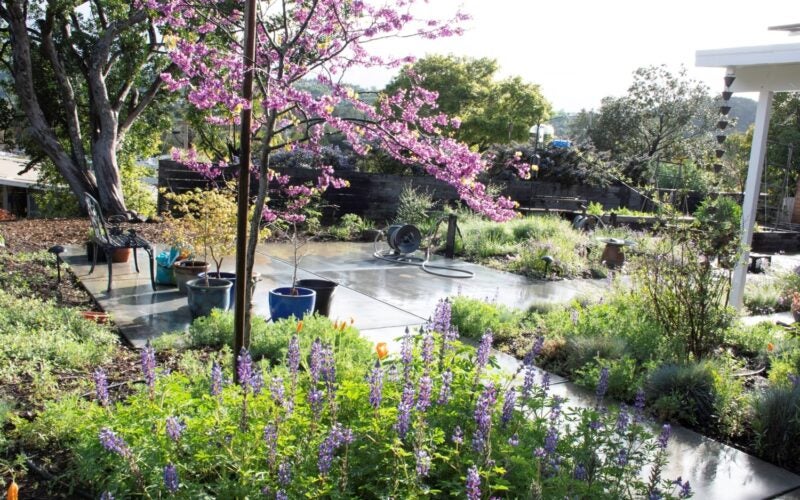
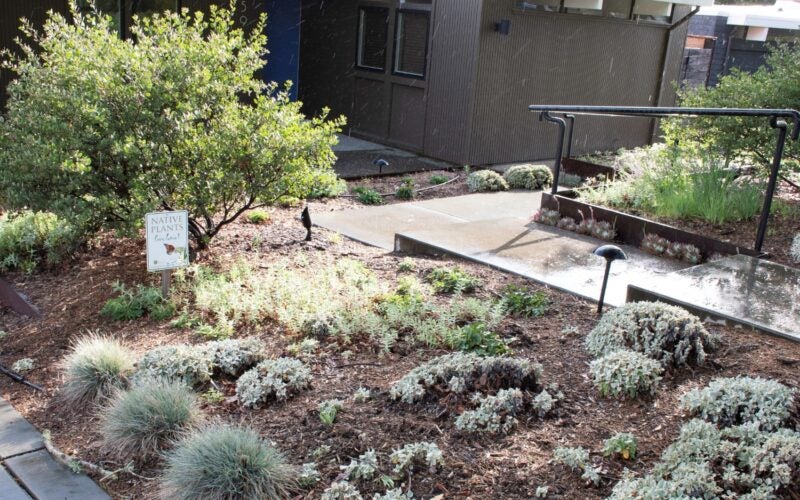
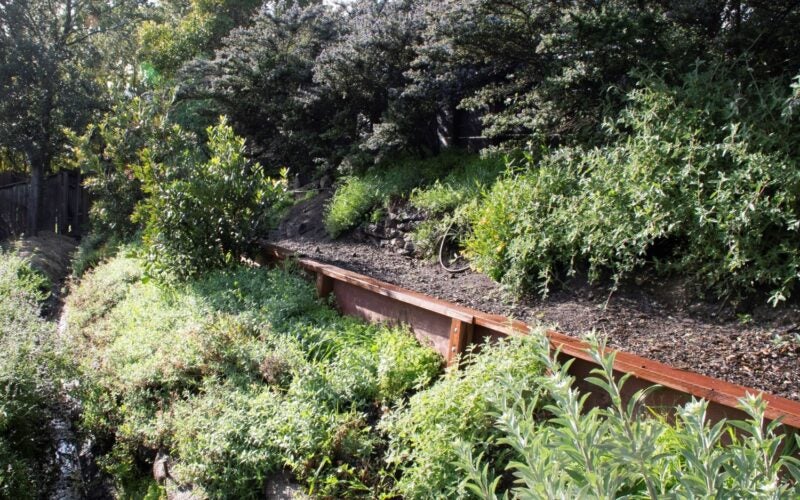
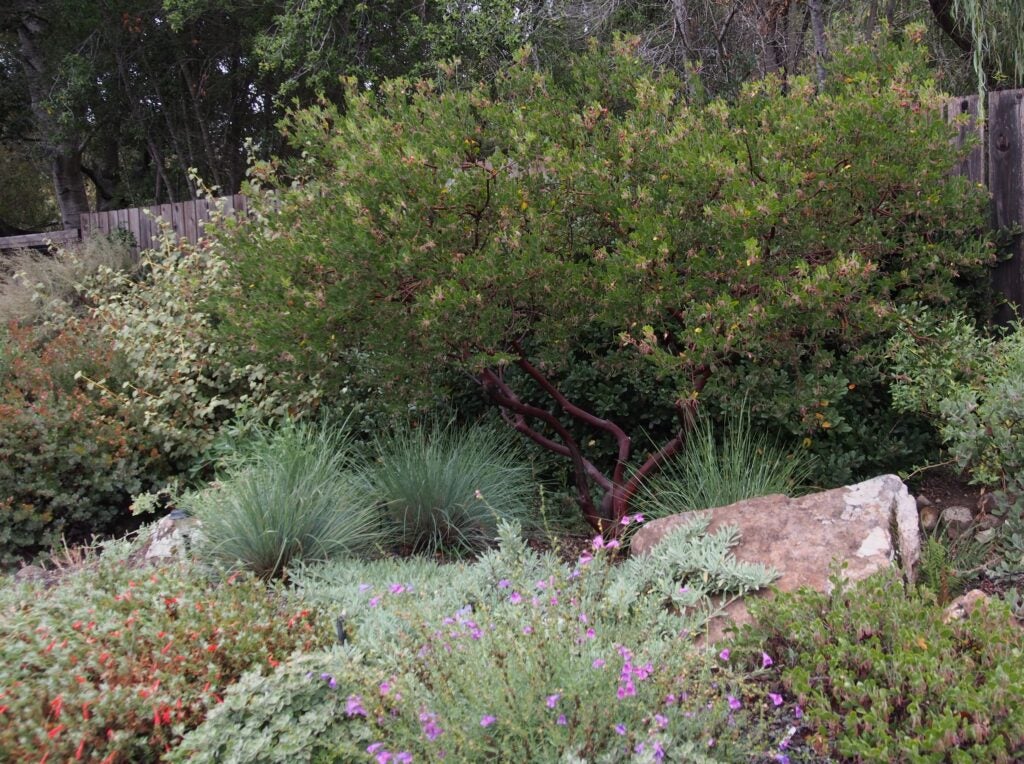
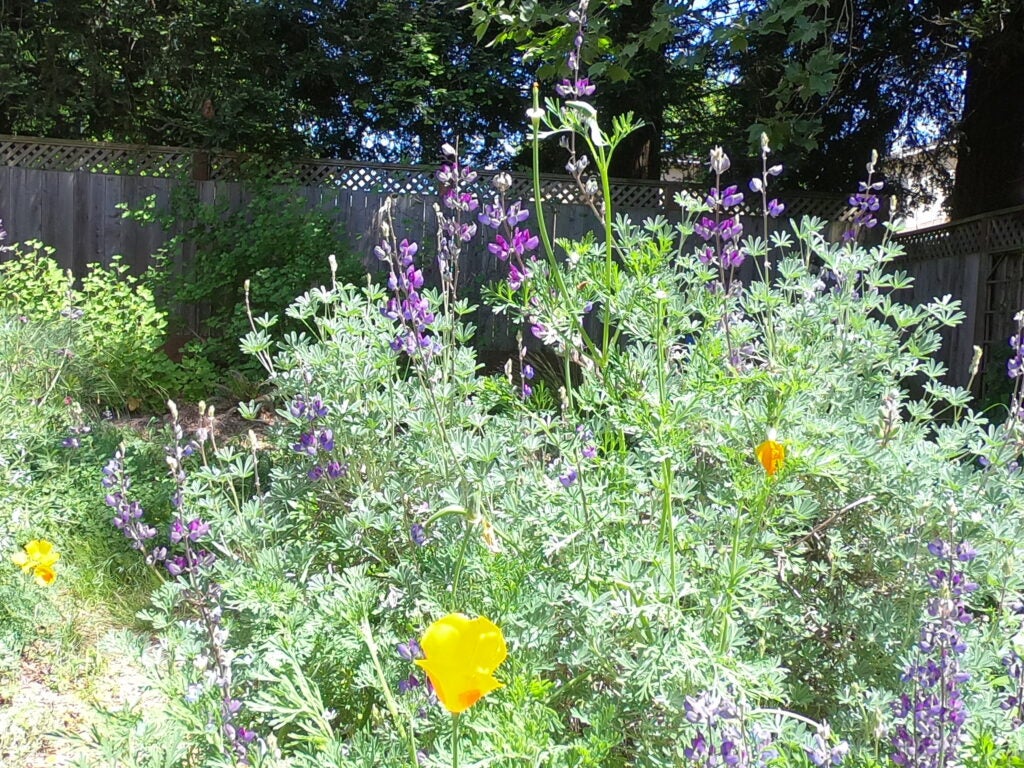
Our California native plant garden was planned to benefit birds and pollinators. Through trial and a few errors, we’ve learned what natives will prosper with sunny exposure in north central Marin County. The garden was established after new hardscape was constructed in 2019: walkways around the house, a Corten steel wall, concrete steps down from the street, and some regrading. We selected native shrubs for their berries (Manzanita, Ceanothus, Coffee Berry, Toyon, Blue Elderberry) or blossoms and seeds (White Sage, Silk Tassel Plant, Mock Orange, Redbud, California Buckeye, and Mountain Mahogany). Between these anchor plants are smaller herbaceous plants that bloom profusely in the spring.
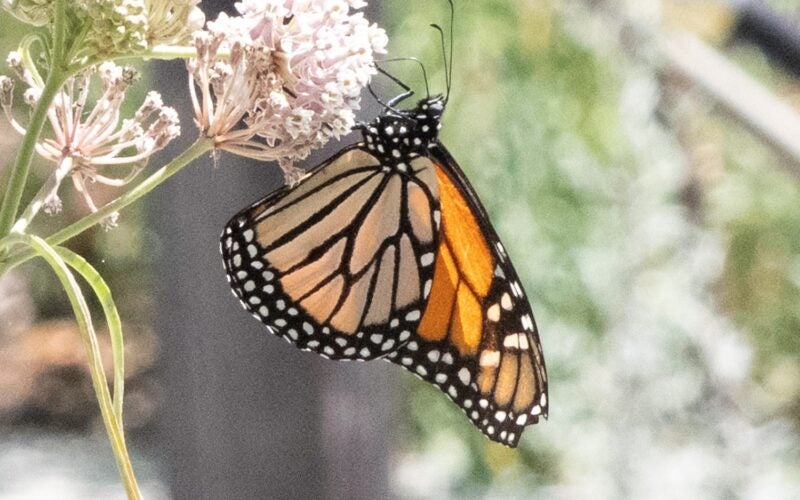
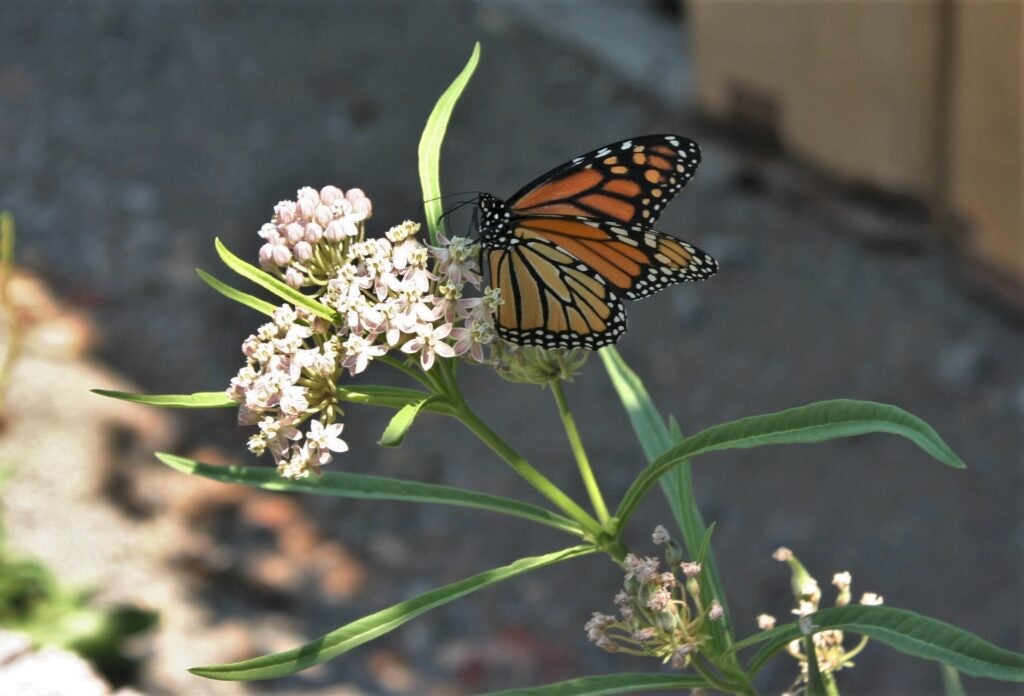
A more recent emphasis has been the planting of later blooming species to benefit pollinators through the end of summer. In the warm season, monarch butterflies visit Narrow Leaf Milkweed that has spread throughout the garden. Coastal Buckwheat and Calfornia Fuschia have also spread beyond their original plantings. Annual wildflowers, Clarkia, Arroyo Lupine, and California Poppy, reseed themselves. By contrast, two nursery staples, Foothill Penstemon and Ribes malvaceum, did not prosper on our site.
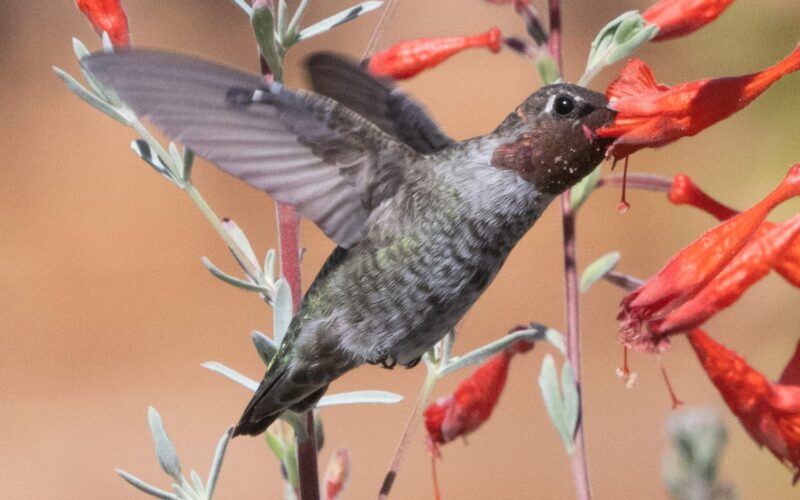
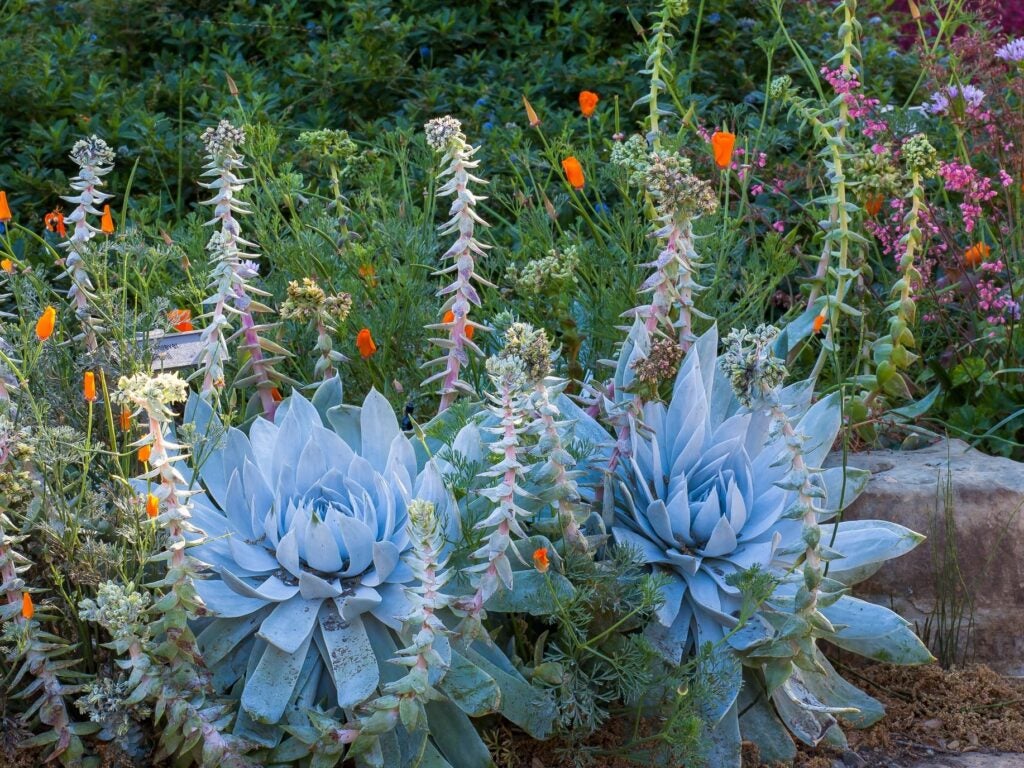
Shade-loving plants struggle to do well here, even in the deep shade of a tree. We used Dudleya species as a border to our front stairway and a birdbath. We cleared the steep hill behind the property of weedy non-natives and planted erosion resistant natives. Toyon and California Fuschia have proven especially valuable for stabilizing this hill. Hummingbirds are fond of the Fuchsia. Finches feed on the seeds of Hooker’s Evening Primrose, a night bloomer. The garden is exclusively California natives, with exception of two legacy trees, vegetable boxes, and two dwarf citrus trees. We use drip irrigation to minimize water use and regular mulching with fir bark to suppress weeds.
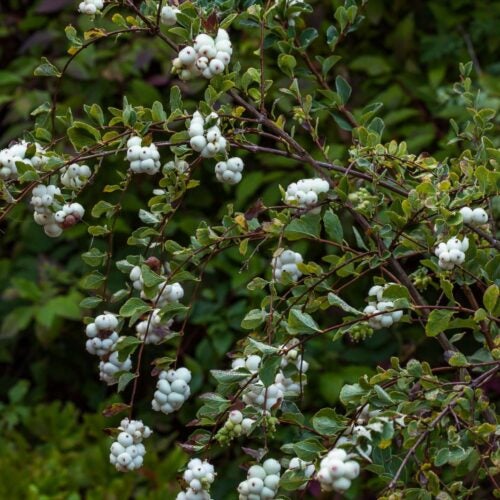
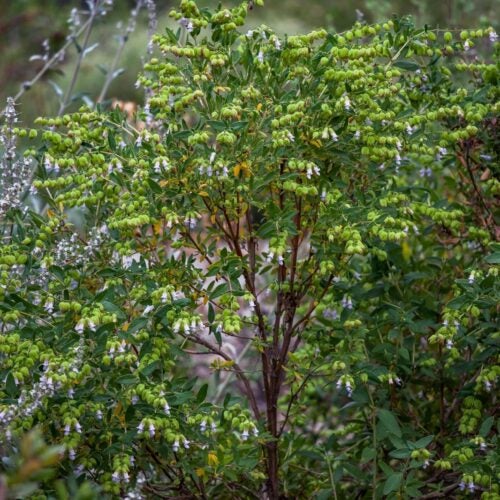
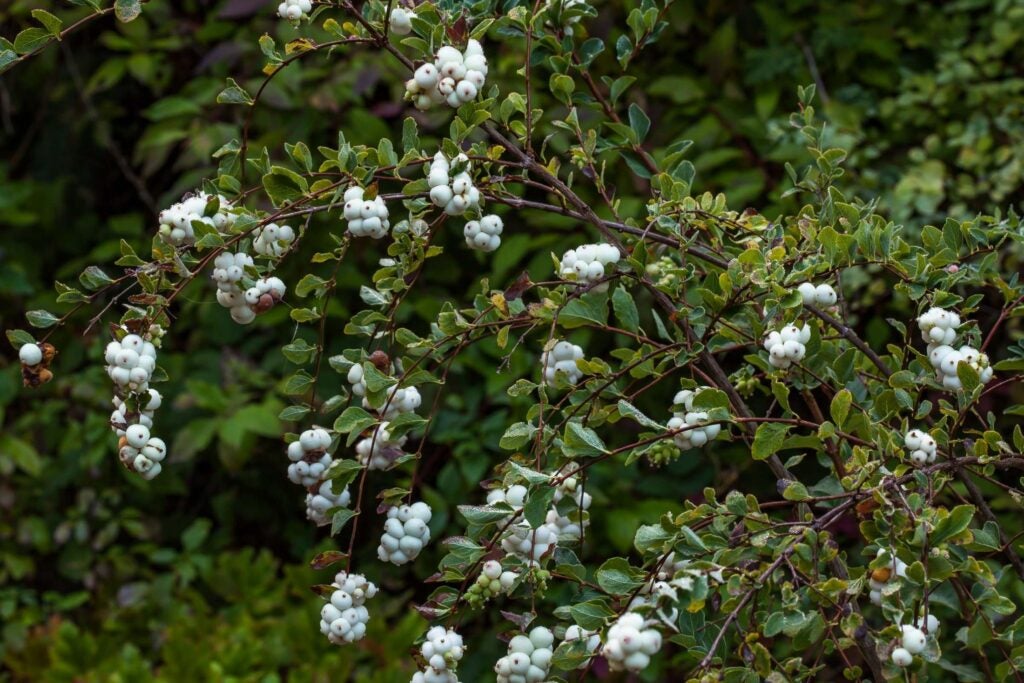
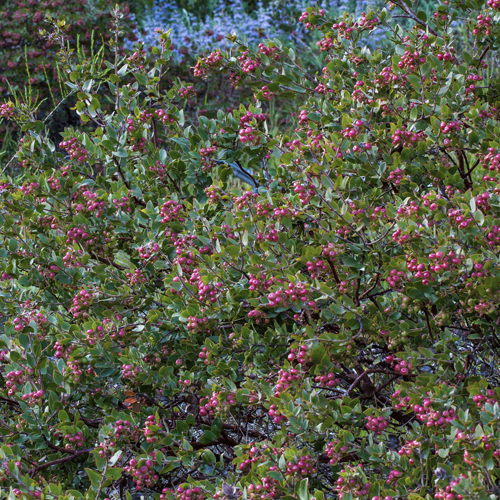
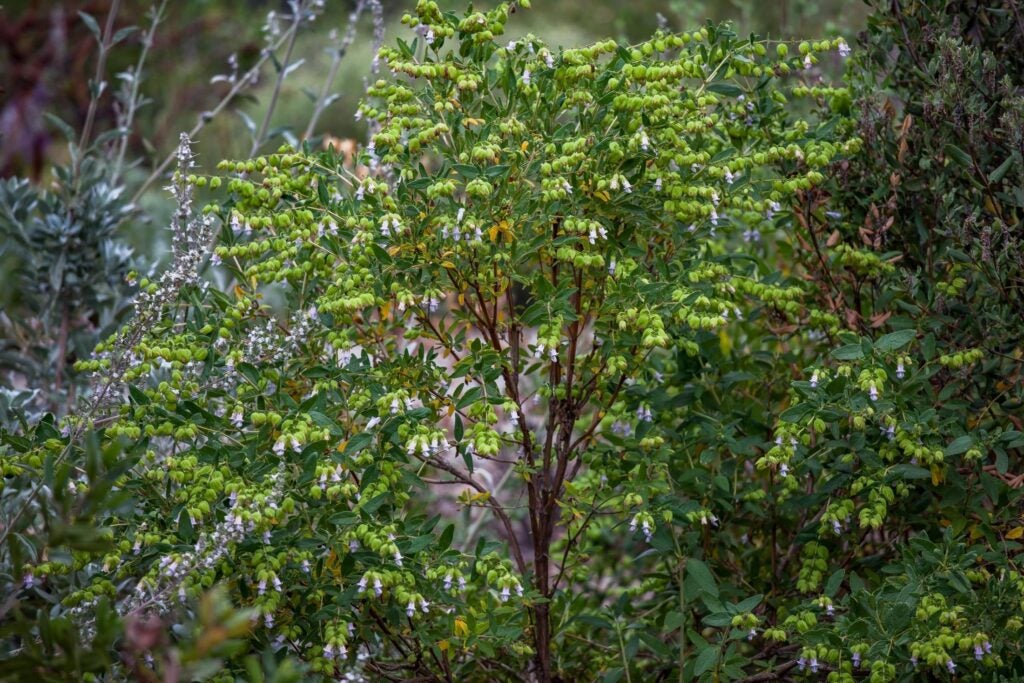
The snowberry bush is an adaptable California native that enjoys moist or dry shade and most well-drained soils. It will also do well in cool sun. It can grow 3-6 feet wide and 3 feet tall. Its spring and summer blooms of bell-shaped pinkish-white flowers attract pollinators. The fall and winter white snowberries are mildly toxic to humans, cats, and dogs but serve as a food source for many birds.
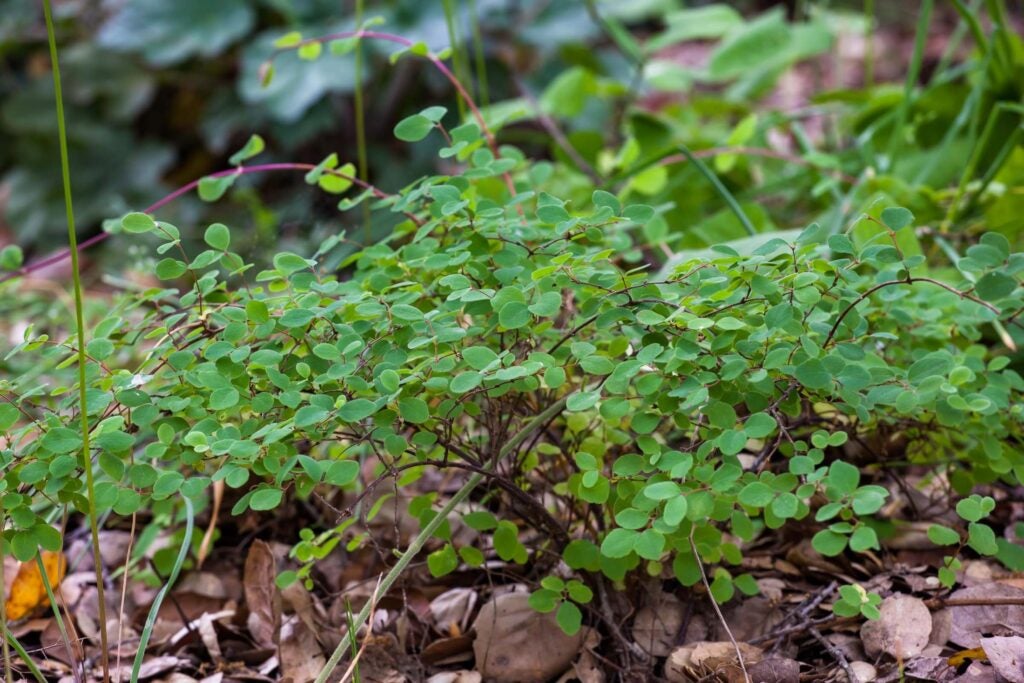
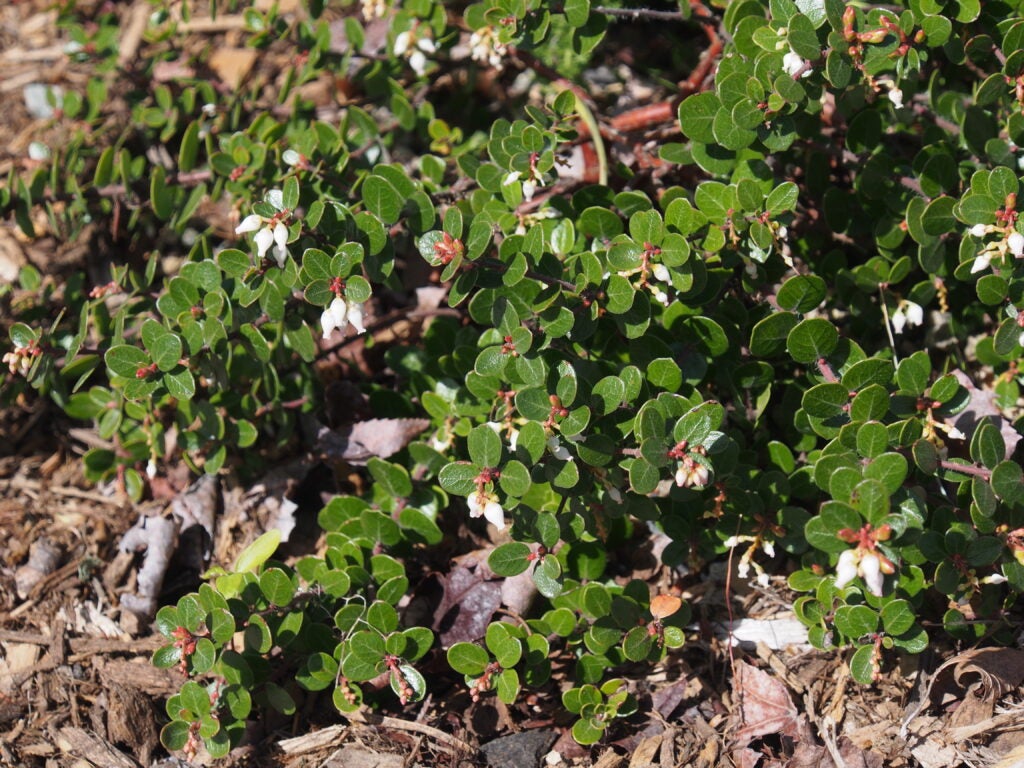
S. mollis (Creeping Snowberry) reaches about 1-2 feet tall and slowly spreads by rooting stems to 4-5 feet wide.
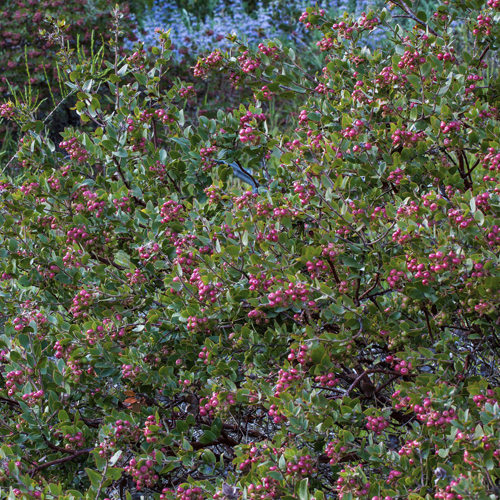
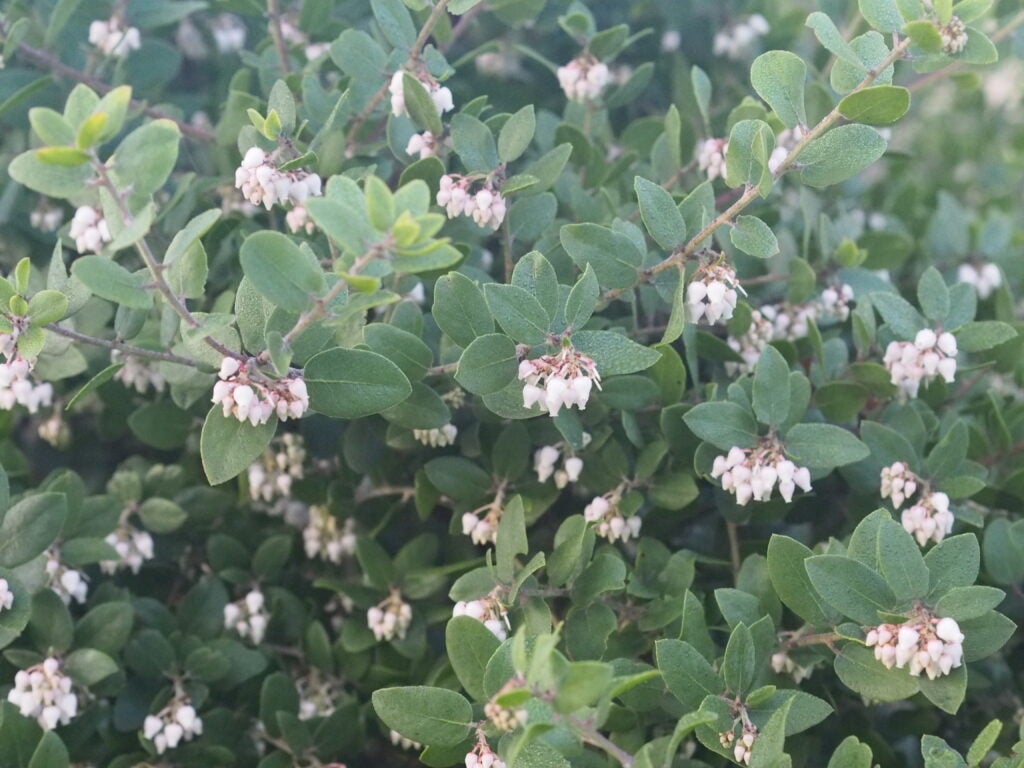
Manzanitas vary from carpet-forming groundcovers to small trees. They have varying shades of striking, reddish brown bark and can provide structure to a garden. These plants are slow growing with evergreen foliage that often has colorful new growth, small white-to-pink, urn-shaped blossoms in late winter to early spring, and then small fruits that resemble tiny apples.
Examples:
Groundcovers:A. ‘Emerald Carpet’ (1’ x 3-6’), A. ‘Pacific Mist’ (1-2’ x 5-8’).
Shrubs:A. ‘Howard McMinn’ (5-7’ x 6-10’), A. ‘John Dourley’ (3-4’ x 5-6’), A. ‘Sunset’ (3-5′ x 4-6’), A. bakeri ‘Louis Edmunds’ (4-6 x 6-8’), A. ‘Sentinel’ (6-8’ x 5’).
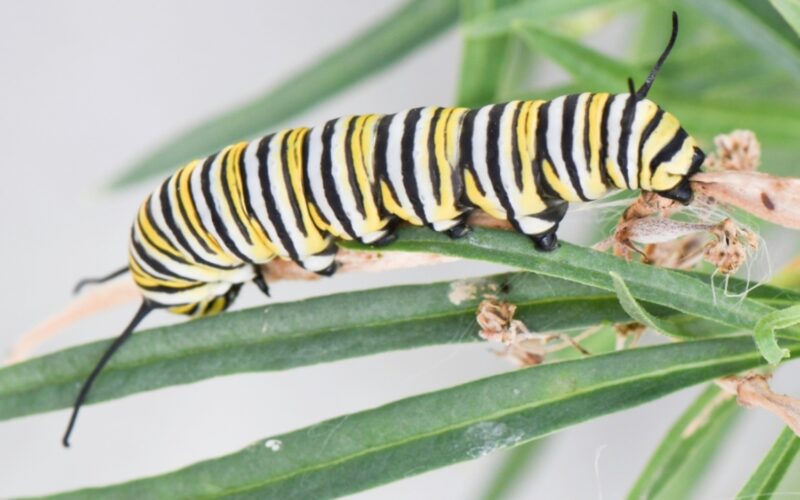
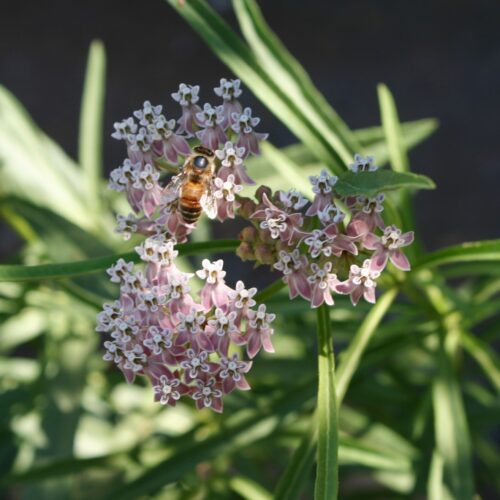
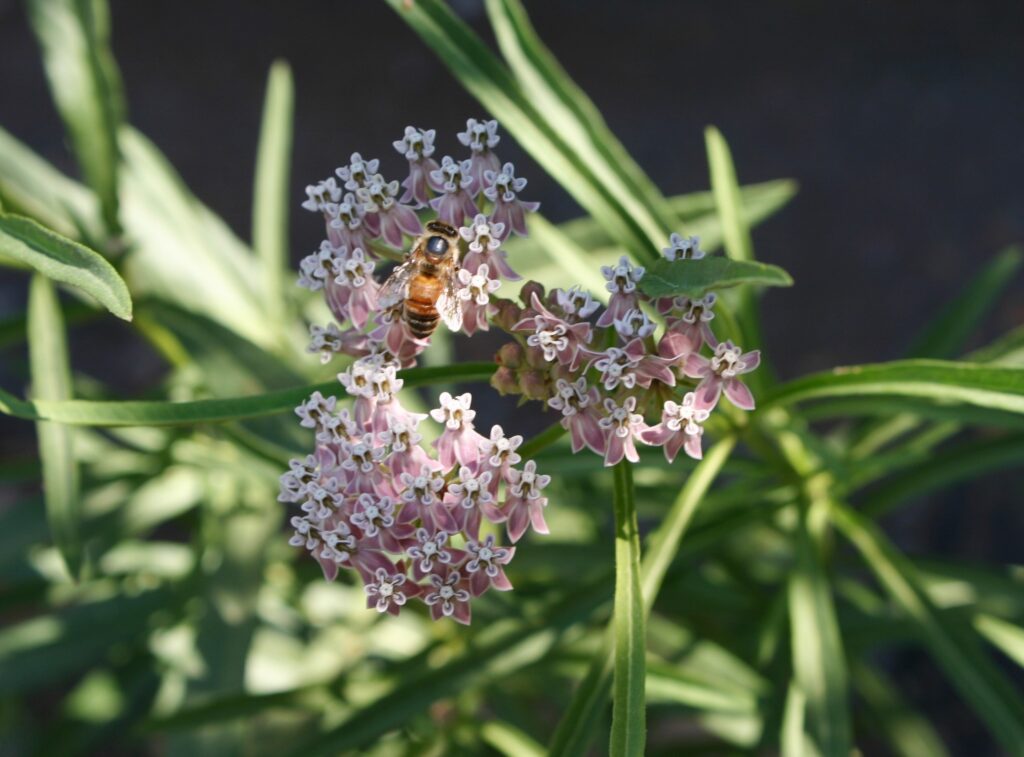
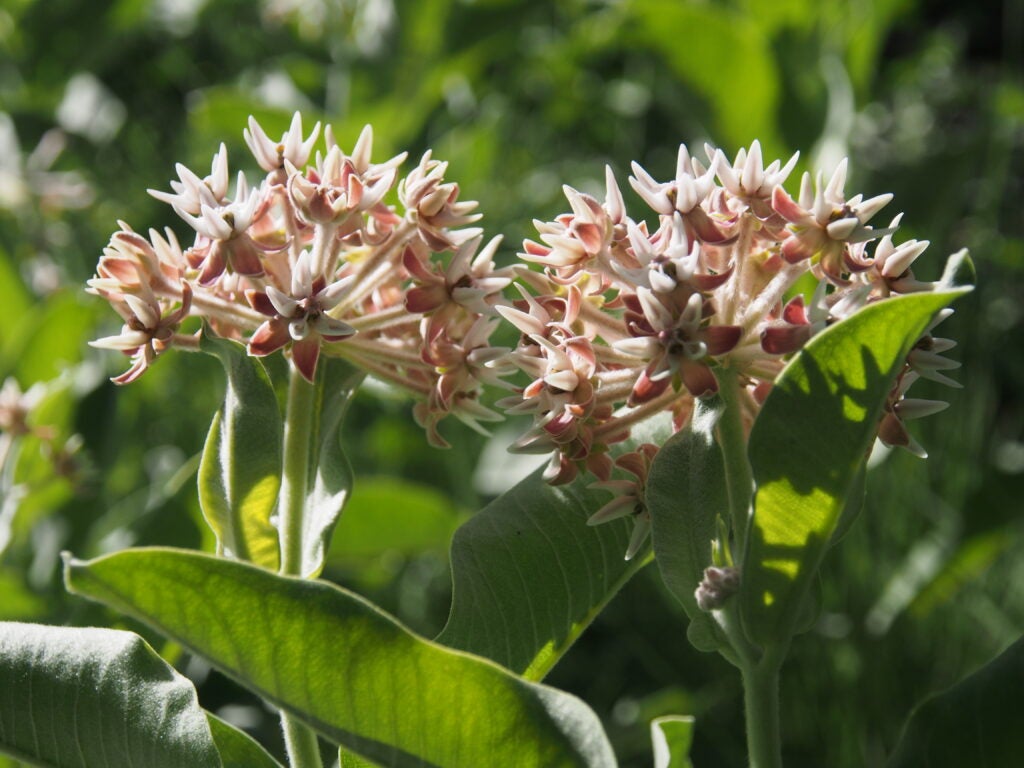
Colony-forming, herbaceous perennials with several species providing important habitat and larval food sources for the monarch butterfly while attracting a diverse array of insects.
California milkweeds go dormant during the colder months. Stems that emerge in April or May bear clusters of small, star-like flowers in summer followed by silky-tailed seeds that are dispersed by wind. Choose a California native species to best support local monarch populations and provide a food source for their larvae.
A. fascicularis (narrow-leaved milkweed, 1-3’) has clusters of lavender or pinkish white flowers; A. speciosa (showy milkweed, 2-4’) has larger, soft foliage, and showier flower clusters; A. cordifolia (heart leaf milkweed, 1-2′) has bluish green heart-shaped leaves, and creamy white and purple flowers.
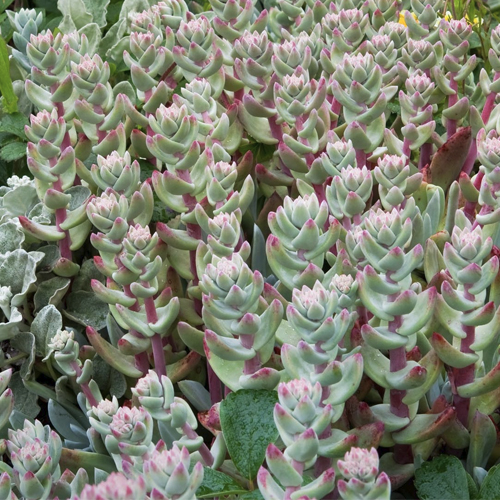
Group of California native succulents with a characteristic rosette shape and chalky appearance that grow on rocky outcroppings and coastal cliffs. Provide these plants with good drainage and afternoon shade in hotter areas. Larger forms can provide a striking accent plant in summer-dry gardens. Plant Dudleyas at a slight angle to help water drain away.
Examples: Giant Chalk Dudleya (D. brittonii, 12-18”), Coast Dudleya (D. caespitosa, up to 8”), Bluff Lettuce (D. farinosa, 4”, forms small colonies), Chalk Liveforever (D. pulverulenta, up to 2’).
This native shrub has aromatic, softly hairy, lance-shaped to oval, gray-green to yellowish green leaves. Its flowers, which bloom in spring, are white with a lavendar tint. It grows 3-8 feet tall and 3-6 feet wide. If kept dry, it may drop leaves in the summer. It prefers sun along the coast but light shade inland and thrives in most well-drained soils.
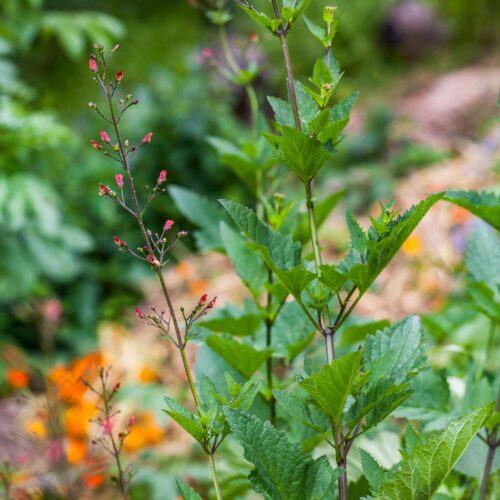
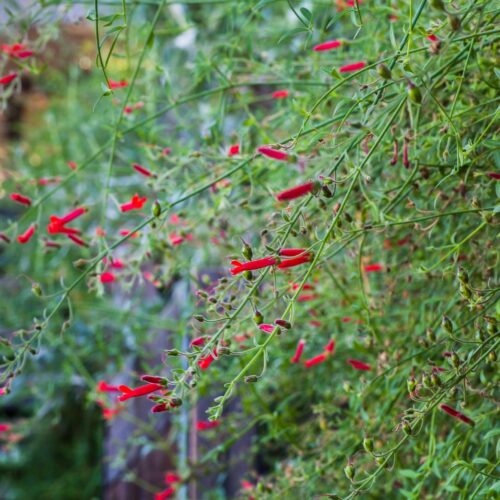
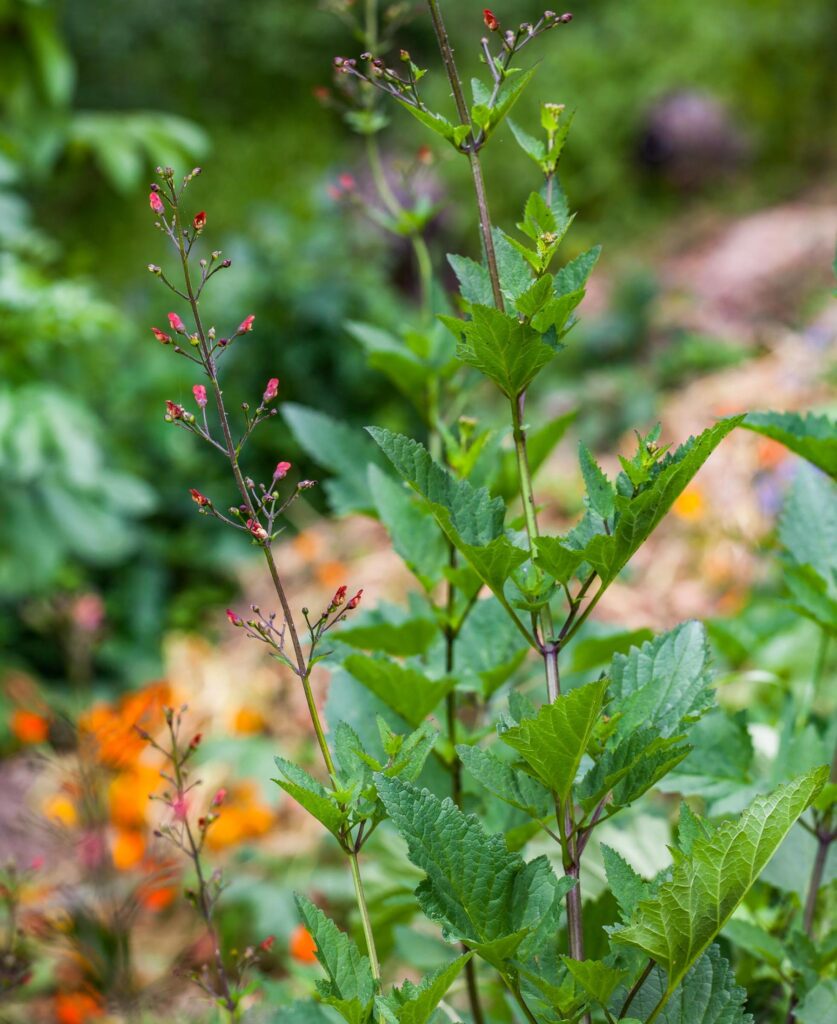
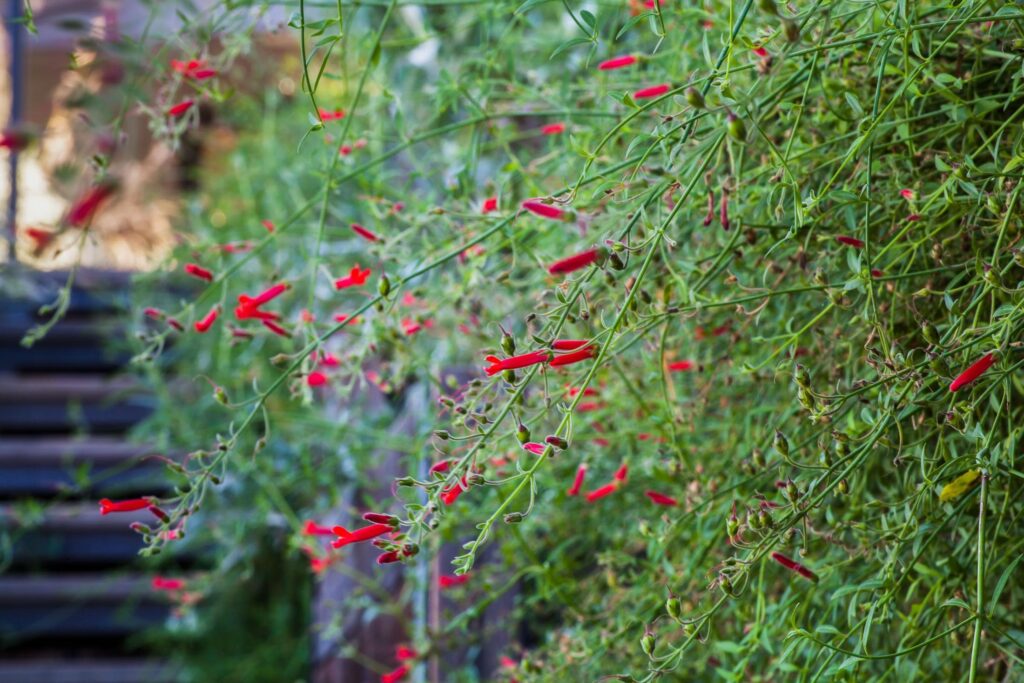
This California native plant is extremely attractive to bees, but also helps hummingbirds, and butterflies. It grows well in dry shade and most soils. It grows to 3-4 feet tall and less than a foot wide. In moist soils it will form large colonies, but it can also successfully be grown in a pot. Bee Plant flowers are small enough that you might miss them upon first glance, but when backlight by the sun, they look like tiny red jewels. Best incorporated as part of a perennial border, typically near the back as it is a taller plant. Tolerates seasonal moisture and can be included in a rain garden.
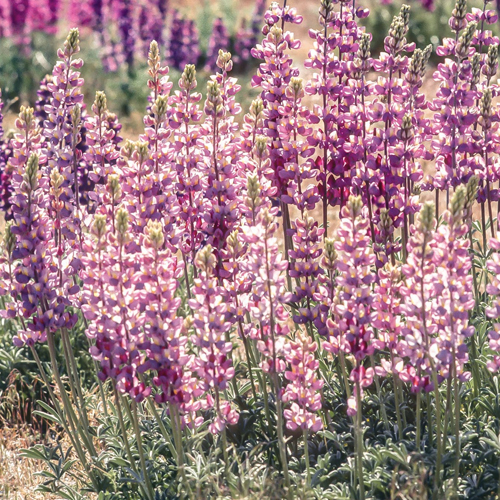
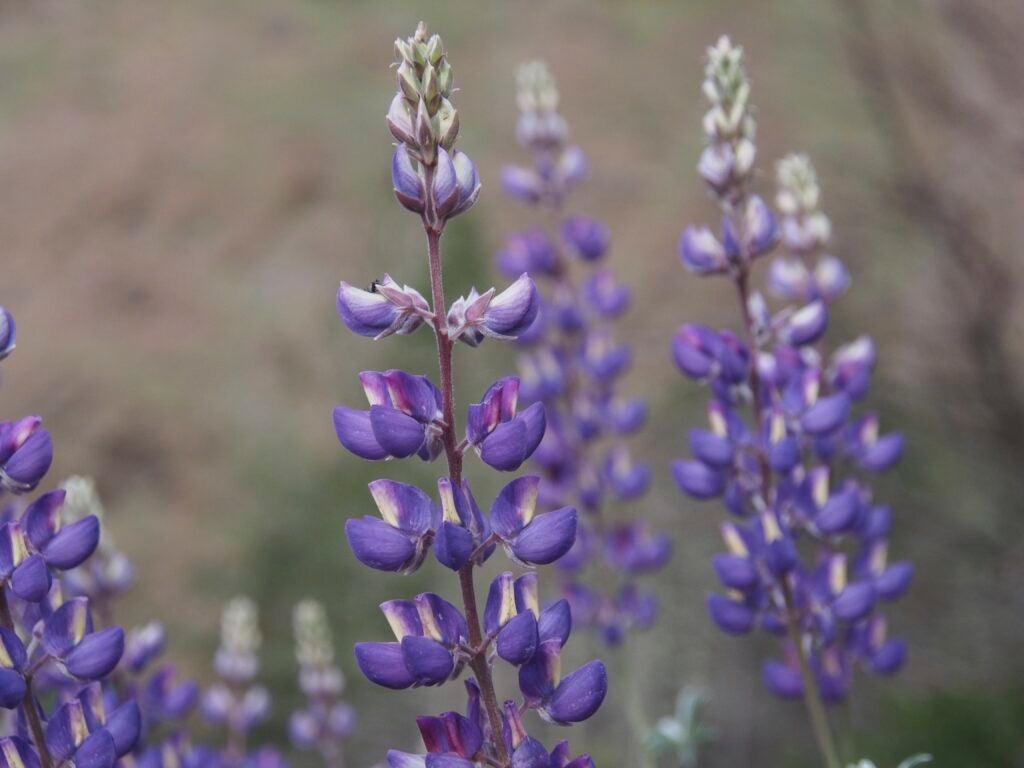
Popular group of annuals, perennials, and shrubs with distinctive divided leaves that are common throughout the western United States, including California. Pea-like flowers are displayed on spikes and are attractive to bees and other pollinators. Most native lupines are purple-flowered, while some are yellow. Provide full sun and good drainage and watch out for slugs and snails.
Examples: Silver bush lupine (L. albifrons, 3-4’ x 3-4’), coastal bush lupine (L. arboreus) available with either blue or yellow flowers, and blue-and-white lupine (L. bicolor) a low-growing, annual wildflower.
This fast-growing shrub is native to the Channel and Guadalupe islands of California and Mexico. It can grow to 3-4 feet tall and 4-5 feet wide and will bloom nearly yearround in good conditions. It prefers full sun and will produce more flowers if it is placed there, but will also thrive in part shade. ‘Firecracker’ is a compact selection. ‘Bocarosa’ has bright green leaves and masses of red flowers. Will grow well in a container. Cut back in late winter to renew. May be offered as Galvezia.